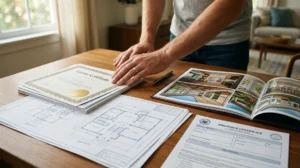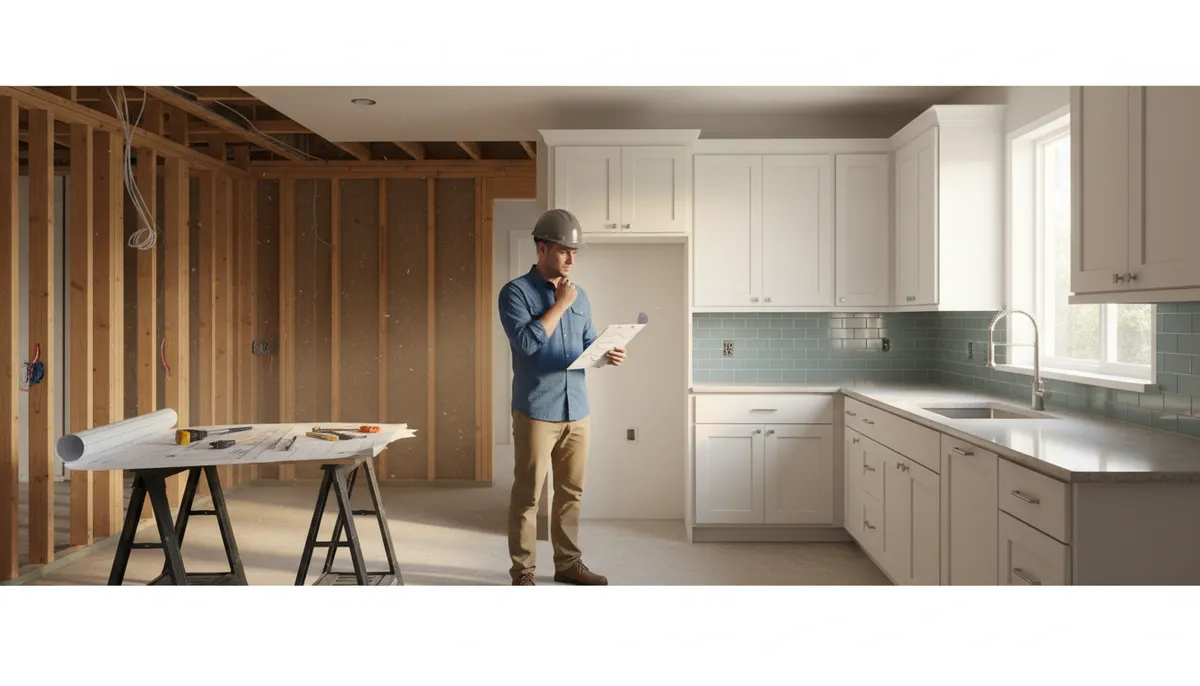
Key Takeaways
-
Request written estimates with itemized cost breakdowns by category (labor, materials, permits) rather than lump-sum figures, and budget an additional 10-20% for unexpected expenses commonly found in older homes.
-
Always verify contractor licensing, insurance (general liability and workers' compensation), and check references by calling at least three recent customers to confirm quality, communication, and on-time/on-budget delivery.
-
Never sign a contract without detailed scope of work, payment schedule tied to milestones, timeline, warranty information, and change order process; avoid contractors requesting large upfront payments or pressuring quick decisions.
-
Ensure the contractor has established local presence, proven experience with your specific project type (kitchens differ from additions), and clear communication plan including dedicated project manager and regular update frequency.
-
Avoid the three costliest mistakes: choosing based on lowest price alone, skipping permits to save money (which risks fines and insurance claim denials), and working with unlicensed contractors who lack proper accountability.
-
Evaluate contractors by visiting completed projects in person, checking multiple online review platforms for consistent feedback patterns, and assessing how they professionally respond to negative reviews and customer concerns.
Choosing the right home renovation company can make the difference between a dream upgrade and a stressful nightmare. Whether you’re planning a kitchen remodel, adding square footage, or transforming your outdoor space, the contractor you select will shape your entire experience. With so many options available in 2026, finding a trustworthy partner requires careful research and smart questions.
Your home is likely your biggest investment, so treating the selection process seriously protects both your property and your budget. This guide walks you through everything you need to know to choose a home renovation company that delivers quality work, clear communication, and peace of mind from start to finish.

Understanding What a Home Renovation Company Does
A home renovation company handles the transformation of existing spaces in your home. These professionals manage everything from small updates to complete overhauls. Unlike new construction, renovation work involves working with your current structure while improving functionality, aesthetics, and value.
Most home renovation companies offer services that include kitchen and bathroom remodels, room additions, outdoor living spaces, and whole-home makeovers. The best contractors bring together different trades—plumbers, electricians, carpenters—to coordinate your project seamlessly. They handle permits, inspections, materials, and timelines so you don’t have to juggle multiple vendors.
When you work with a quality general contracting team, you get a single point of contact who oversees your entire project. This approach saves time, reduces stress, and ensures all work meets building codes and safety standards.
Types of Renovation Projects
Home renovation companies typically specialize in several categories of work:
- Interior Remodeling: Kitchen upgrades, bathroom renovations, flooring replacement, and texture painting that refresh living spaces
- Home Additions: Extra bedrooms, expanded living areas, sunrooms, or second stories that increase square footage
- Outdoor Improvements: Patios, pavers, screen enclosures, and concrete features that enhance exterior living
- Structural Changes: Removing walls, adding windows, or reconfiguring layouts to improve flow and function
- Full-Home Renovations: Complete transformations that touch every room and update entire properties
Understanding which services you need helps you find a contractor with the right expertise. Some companies focus narrowly on specific projects, while full-service firms like Quality Custom Contracting handle diverse renovation types across West Central Florida.
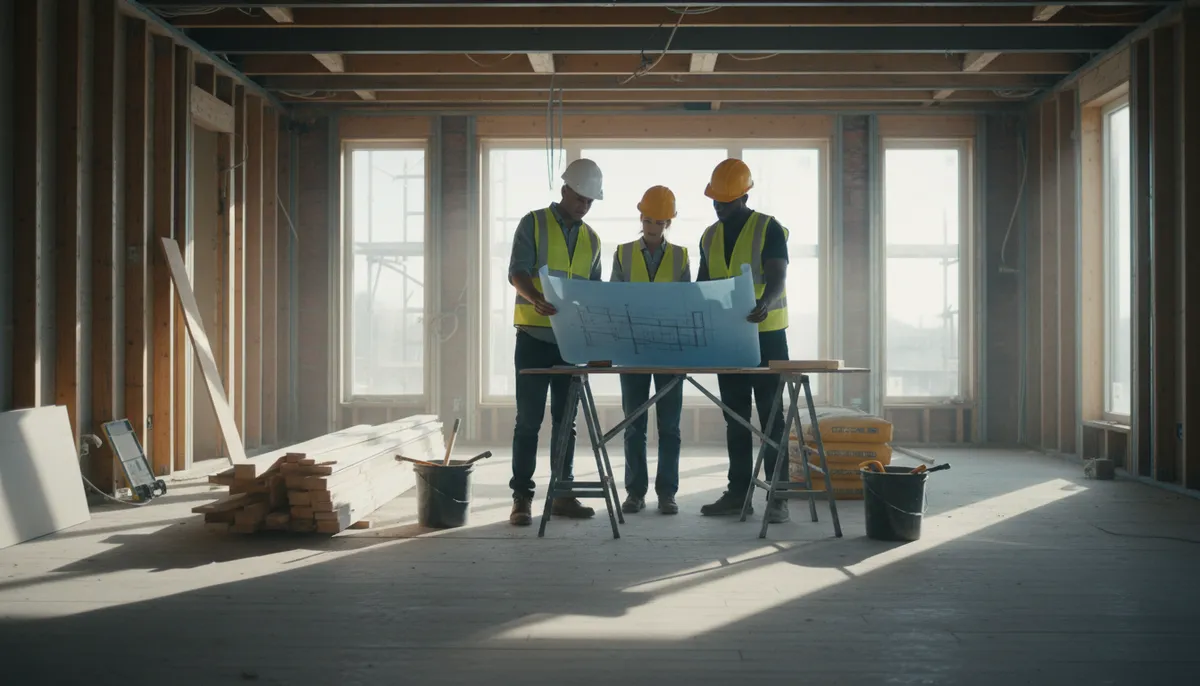
Why Choosing the Right Contractor Matters
The contractor you select impacts every aspect of your renovation experience. A skilled, honest home renovation company delivers beautiful results on time and within budget. Meanwhile, the wrong choice leads to delays, cost overruns, poor workmanship, and endless frustration.
Quality contractors bring years of experience to your project. They anticipate problems before they occur, suggest smart solutions, and use proven methods that ensure lasting results. Their established relationships with suppliers mean better material prices and availability.
Beyond technical skills, the right contractor communicates clearly and treats your home with respect. You’ll receive regular updates, honest answers to questions, and transparency about costs. This partnership approach transforms what could be a stressful process into an exciting journey toward your dream space.
Common Renovation Mistakes to Avoid
Many homeowners make preventable errors when hiring renovation contractors:
- Choosing Based on Price Alone: The lowest bid often means cut corners, inferior materials, or hidden costs that appear later
- Skipping Reference Checks: Failing to verify past work quality and customer satisfaction leads to unpleasant surprises
- Ignoring Licensing and Insurance: Working with unlicensed contractors puts you at legal and financial risk if problems arise
- Not Getting Written Contracts: Verbal agreements create confusion about scope, timeline, and payment terms
Taking time to evaluate contractors properly protects your investment and ensures your project succeeds.

Essential Questions to Ask Before Hiring
Smart homeowners prepare a list of questions before meeting potential contractors. These conversations reveal professionalism, expertise, and whether the company fits your needs. Don’t feel shy about asking—reputable contractors expect thorough questions and answer them gladly.
Start by asking how long the company has been in business and what types of projects they specialize in. Experience matters, especially for complex renovations. A contractor who has worked in your area understands local building codes, weather considerations, and permit requirements.
Licensing and Insurance Verification
Always confirm that any home renovation company holds proper licensing and insurance. In Florida, contractors must be licensed by the state or local municipalities. Ask to see their license number and verify it through official channels.
Insurance protects you if workers get injured on your property or if damage occurs during construction. Request proof of both general liability insurance and workers’ compensation coverage. This documentation shields you from potential lawsuits and financial responsibility.
Quality Custom Contracting maintains full licensing and insurance, giving homeowners across Tampa Bay confidence that their projects meet all legal requirements and safety standards.
Project Timeline and Availability
Understanding when work can start and how long it will take helps you plan accordingly. Ask contractors about their current workload and estimated start dates. Be cautious if someone can begin immediately—established contractors usually book several weeks out.
Request a detailed timeline that breaks down each phase of your project. Good contractors provide realistic schedules and explain factors that might cause delays, like weather or material delivery issues. They also communicate promptly if unexpected problems adjust the timeline.

Evaluating Contractor Experience and Expertise
Experience separates mediocre contractors from exceptional ones. When evaluating a home renovation company, look at both years in business and the range of projects completed. A contractor with 25 years of experience has navigated countless challenges and refined their craft.
Ask to see portfolios or view their gallery of completed projects. Pay attention to work similar to what you’re planning. Beautiful kitchen remodels don’t necessarily indicate expertise in outdoor living spaces or structural additions.
Checking References and Reviews
Past customers provide valuable insights into what working with a contractor really involves. Request at least three recent references and actually call them. Ask about communication, cleanliness, problem-solving, and whether the project finished on time and within budget.
Online reviews offer additional perspectives. Check multiple platforms including Google, Yelp, and social media pages like Facebook. Look for patterns in feedback rather than focusing on single reviews. Consistently positive comments about communication and quality indicate reliability.
Pay attention to how contractors respond to negative reviews. Professional companies address concerns respectfully and work to resolve issues, demonstrating their commitment to customer satisfaction.
Visiting Completed Projects
If possible, visit homes where the contractor has recently completed work. Seeing results in person reveals quality details that photos miss. You can inspect finish work, material quality, and overall craftsmanship up close.
Some contractors maintain showrooms or model projects you can tour. This opportunity lets you evaluate their attention to detail and ask questions about specific techniques or materials they use.
Understanding Estimates and Contracts
A detailed estimate forms the foundation of your renovation agreement. Reputable home renovation companies provide written estimates that break down costs by category—labor, materials, permits, and other expenses. This transparency helps you understand where your money goes.
Be wary of vague estimates with single lump-sum figures. Without itemization, you can’t tell if you’re getting fair pricing or identify areas to adjust if you need to reduce costs. Quality contractors explain each line item and answer questions about pricing.
What Should Be Included in a Contract
Your written contract should include several critical elements:
- Detailed Scope of Work: Specific description of all tasks, materials, and finishes included in the project
- Payment Schedule: Clear timeline of when payments are due, typically tied to project milestones
- Timeline: Start date, estimated completion date, and process for handling delays
- Warranty Information: Coverage for workmanship and materials after project completion
- Change Order Process: How modifications to the original plan are handled and priced
- Cleanup Responsibilities: Who handles debris removal and site maintenance during construction
Never sign a contract you don’t fully understand. Ask for clarification on any confusing terms or conditions. Legitimate contractors want you to feel comfortable with every aspect of the agreement.
Red Flags to Watch For
Certain warning signs indicate a contractor might not be trustworthy:
- Requesting Large Upfront Payments: Ethical contractors ask for reasonable deposits, not half or more of the total cost before starting
- No Physical Business Address: Established companies have verifiable offices, not just P.O. boxes or cell phones
- Pressure Tactics: Legitimate contractors don’t push you to sign immediately or offer “today only” deals
- Unwillingness to Provide References: Quality contractors proudly share past customer contacts
- No Written Contract: Professional companies always provide detailed written agreements
Trust your instincts. If something feels off during initial conversations, it’s better to keep looking than risk problems later.
Communication and Project Management
Clear communication separates smooth renovations from frustrating experiences. The best home renovation companies establish regular check-ins and keep you informed about progress, challenges, and decisions that need your input.
Ask potential contractors how they handle communication. Will you have a dedicated project manager? How often will you receive updates? What’s the best way to reach them with questions or concerns? Understanding the process upfront prevents misunderstandings later.
Managing Expectations Throughout the Project
Renovations rarely go exactly as planned. Materials arrive late, hidden problems emerge behind walls, or weather delays outdoor work. Professional contractors set realistic expectations from the beginning and communicate proactively when situations change.
Establish a decision-making process before work begins. Know who makes calls about unexpected issues and how quickly you need to respond to questions. This clarity keeps projects moving forward without unnecessary delays.
Understanding Renovation Costs and Budgeting
Renovation costs vary widely based on project scope, material choices, and your home’s condition. While prices differ across projects, understanding typical budget ranges helps you plan realistically.
Most financial experts recommend budgeting an additional 10-20% beyond your estimate for unexpected expenses. Older homes especially tend to reveal surprises once walls open up or floors come up. This cushion prevents financial stress if you encounter unforeseen structural issues or decide to upgrade finishes mid-project.
Getting Value from Your Investment
The cheapest option rarely delivers the best value. Instead of focusing solely on the lowest price, consider what you receive for your investment. Quality materials last longer, skilled craftsmanship requires fewer repairs, and professional project management saves time and stress.
Ask contractors about material options at different price points. Understanding trade-offs between economy and premium choices helps you make informed decisions that fit your budget while achieving your goals.
| Cost Factor | Impact on Budget | Considerations |
|---|---|---|
| Materials Quality | 20-30% of total cost | Better materials increase longevity and reduce maintenance |
| Labor and Expertise | 40-50% of total cost | Skilled craftsmen ensure proper installation and finish quality |
| Permits and Inspections | 5-10% of total cost | Required for legal compliance and home value protection |
| Project Management | 10-15% of total cost | Coordinates trades, schedules, and problem-solving |
Permits and Legal Requirements
Most significant renovations require building permits from local authorities. These permits ensure work meets safety codes and zoning regulations. Reputable home renovation companies handle permit applications and coordinate required inspections as part of their service.
Never work with a contractor who suggests skipping permits to save money. Unpermitted work can lead to fines, difficulty selling your home, insurance claim denials, and costly corrections. Building departments exist to protect homeowners and ensure safe construction.
In Florida’s Gulf Coast region, permits also address hurricane-resistant construction standards and flood zone requirements. Experienced local contractors understand these regulations and build accordingly, protecting your investment from weather-related damage.
Working with a Local Contractor
Choosing a home renovation company based in your area offers several advantages. Local contractors understand regional building codes, climate considerations, and material suppliers. They’ve built reputations within the community and rely on word-of-mouth referrals from satisfied customers.
Local companies also remain accessible throughout your project and after completion. If you need warranty work or have questions down the road, you can easily reach them. National chains or distant contractors may be harder to contact once they’ve moved to other markets.
Community Reputation Matters
Contractors serving Tampa Bay and surrounding areas depend on local reputation. Companies like Quality Custom Contracting have built trust over decades by consistently delivering quality work and treating homeowners fairly. This community connection motivates them to exceed expectations on every project.
Check if contractors participate in local business organizations or community events. These connections demonstrate commitment to the area and provide additional accountability. You can also visit us on Google to read reviews from your neighbors who have experienced their services firsthand.
Renovation Planning and Design Considerations
Successful renovations begin with thorough planning. Before contacting contractors, develop a clear vision of what you want to achieve. Collect inspiration photos, measure spaces, and identify must-have features versus nice-to-have additions.
Many home renovation companies offer design consultation services. They can review your ideas, suggest improvements, and help you avoid costly mistakes. Their experience reveals practical considerations you might not anticipate, like optimal kitchen work triangle layouts or the best patio orientations for Florida sun exposure.
Choosing Materials and Finishes
Material selection impacts both your budget and long-term satisfaction. Contractors can guide you toward options that balance aesthetics, durability, and cost. For Florida homes, consider materials that withstand humidity, sun exposure, and occasional storms.
Visit showrooms or supplier locations to see materials in person. Photos don’t always capture true colors, textures, or quality. Touching samples and viewing full-size displays helps you make confident decisions.
Renovation Timeline Expectations
Understanding realistic timelines prevents frustration. Small projects like interior painting might take a week or two, while major home additions can require several months.
Several factors influence how long renovations take:
- Project Complexity: Simple cosmetic updates move faster than structural changes
- Permit Processing: Government approvals can take days to weeks depending on your location
- Material Availability: Custom or specialty items may require extended lead times
- Weather Conditions: Rain delays outdoor work like concrete pouring or screen enclosures
- Inspection Schedules: Required inspections must occur at specific project stages
Professional contractors build realistic schedules that account for these variables. They communicate proactively if adjustments become necessary and work efficiently to minimize disruptions to your daily life.
Preparing Your Home for Renovation
Once you’ve selected a contractor and scheduled your project, preparation helps everything run smoothly. Clear the work area of furniture, decorations, and personal items. Even if contractors will move things, removing valuables prevents accidental damage.
Discuss access needs with your contractor. Will workers need to enter through specific doors? Should you create pathways through your home to the work area? Where will materials be stored? Planning these logistics upfront prevents confusion once work begins.
Living Through a Renovation
If you’re staying home during construction, establish boundaries and routines. Designate a dust-free zone where your family can retreat. Set up a temporary kitchen if your main one is under renovation. Communicate your schedule with contractors so they can plan noisy work when you’re away.
Expect some disruption—dust, noise, and strangers in your space come with the territory. But professional contractors minimize inconvenience by maintaining clean work areas, respecting your home, and completing tasks efficiently.
After the Project: Follow-Up and Warranty
Quality home renovation companies don’t disappear once they receive final payment. They conduct thorough walk-throughs to ensure you’re satisfied with every detail. Address any concerns immediately while crews are still on site.
Understand your warranty coverage. Most contractors guarantee their workmanship for at least a year, while material warranties come from manufacturers. Get warranty information in writing and know how to request service if issues arise.
Maintain relationships with contractors who serve you well. They become valuable resources for future projects and can provide maintenance advice to protect your investment.
Making Your Final Decision
After meeting contractors, checking references, and reviewing estimates, trust both facts and feelings. The right home renovation company demonstrates technical expertise, financial transparency, and genuine care about your satisfaction.
Consider these final factors:
- Comfort Level: Do you feel respected and heard during conversations?
- Clarity: Has the contractor explained processes in terms you understand?
- Confidence: Does their experience and portfolio inspire trust?
- Compatibility: Will this company work well with your communication style and decision-making process?
Don’t rush your choice. Taking time to evaluate options thoroughly prevents regrets and protects your significant investment.
Start Your Renovation Journey with Confidence
Choosing the right home renovation company transforms your house into the space you’ve always wanted. By following this guide, asking smart questions, and thoroughly vetting candidates, you’ll find a contractor who delivers exceptional results and makes the process enjoyable.
Whether you’re planning a kitchen upgrade, adding living space, or creating the perfect outdoor entertaining area, the right partner makes all the difference. Quality work, clear communication, and respect for your home and budget should be non-negotiable standards.
For homeowners across Hillsborough, Pinellas, Manatee, Sarasota, and Pasco counties, Quality Custom Contracting has built a reputation on these exact principles for over 25 years. We treat every project like we’re building our own home because we understand the trust you place in us. Ready to discuss your renovation plans? Get a free quote today and discover how we can bring your vision to life with precision, transparency, and care.
Your dream home is waiting, and choosing the right contractor is the first step toward making it reality. You can also explore more helpful information on our blog or follow us on Instagram to see our latest projects and inspiration for your own renovation journey.
FAQs
Q: How much does a typical home renovation cost in 2026?
A: Costs vary widely based on project scope, materials, and home size. Minor updates might range from a few thousand dollars, while major remodels or additions can cost $50,000 or more. The best approach is getting detailed estimates from licensed contractors who can assess your specific needs and provide transparent pricing.
Q: How long should a home renovation take?
A: Timeline depends on project complexity. Simple cosmetic updates take 1-2 weeks, bathroom remodels need 3-4 weeks, kitchen renovations require 6-8 weeks, and major additions or whole-home projects can span several months. Professional contractors provide realistic schedules and keep you updated throughout the process.
Q: Do I need permits for my renovation project?
A: Most significant renovations require building permits, especially work involving structural changes, electrical systems, plumbing, or additions. Reputable contractors handle permit applications and coordinate inspections. Never skip permits as they protect your safety, home value, and insurance coverage.
Q: How do I know if a home renovation company is trustworthy?
A: Verify licensing and insurance, check references and online reviews, review their portfolio of completed work, and ensure they provide detailed written contracts. Trustworthy contractors communicate clearly, answer questions honestly, and have established reputations in their local communities.
Q: Should I stay home during my renovation?
A: You can stay or relocate depending on project scope and your comfort level. Many homeowners remain home during renovations by establishing dust-free zones and coordinating schedules with contractors. For extensive whole-home projects, temporary relocation might be more comfortable and allow work to progress faster.