Key Takeaways
-
Choose aluminum or solar screen material for maximum durability in Florida's humid climate; aluminum resists wear better than fiberglass, while solar screen blocks UV rays and keeps spaces cooler during hot summers.
-
Select concrete or pavers for flooring as they handle Florida's heat and humidity best; pavers offer the added advantage of individual replacement if one cracks, simplifying long-term maintenance.
-
Install a solid insulated roof instead of a screen-only roof to transform your patio into a true all-season room that allows year-round entertaining and provides full protection from rain and sun.
-
Plan electrical features, ceiling fans, and lighting before construction begins to ensure proper integration; adding these after the fact is significantly more costly and complicated.
-
Match your screened patio's flooring tones, colors, and style to your home's interior using wide sliding glass or French doors as transition points to create a seamless indoor-outdoor connection.
-
Invest in composite, aluminum, and outdoor-rated materials that resist moisture and UV damage rather than untreated wood, which warps in Florida's climate and requires more maintenance.
Imagine sipping your morning coffee outside without swatting mosquitoes. Picture hosting a backyard dinner party while a cool Florida breeze rolls through. That dream becomes reality with a well-designed screened patio. Here in the Tampa Bay area, outdoor living is a way of life — and a beautiful screened patio makes it even better.
Whether you’re a longtime homeowner looking to upgrade your backyard or someone building a new home, screened patio ideas can completely transform how you use your outdoor space. The right design adds comfort, style, and real value to your property. Let’s walk through everything you need to know to plan and build a screened patio you’ll love for years to come.
Why a Screened Patio Makes Sense in Tampa Bay
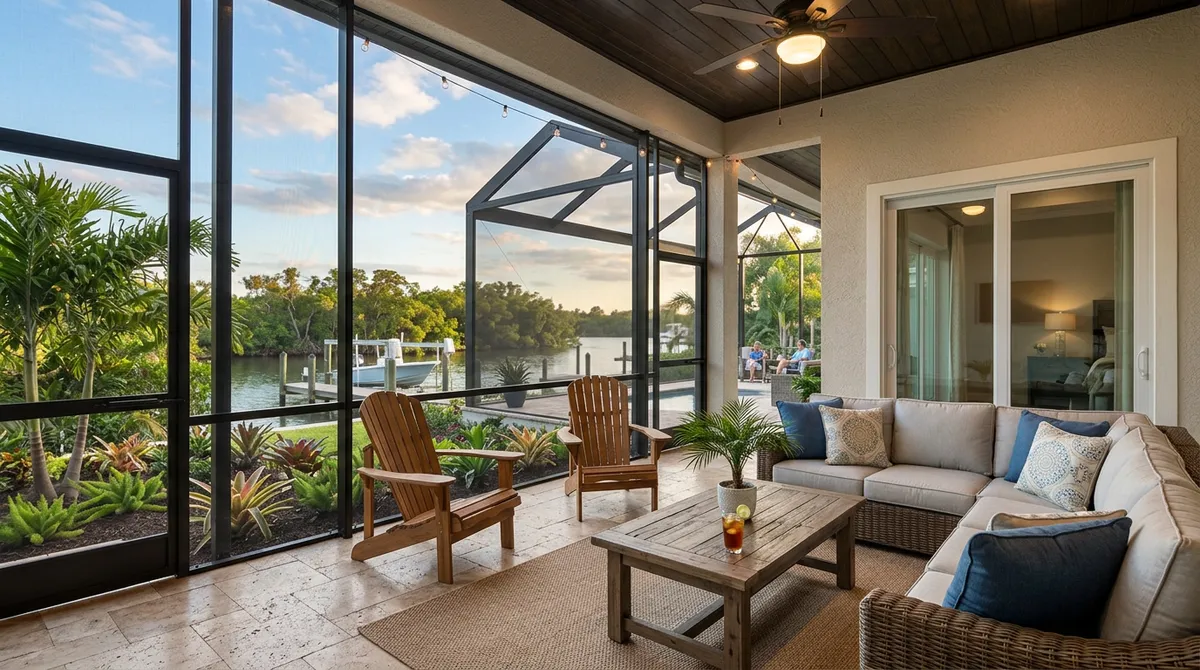
Florida weather is gorgeous — most of the time. But bugs, afternoon rain showers, and intense summer sun can make outdoor living uncomfortable. A screened patio solves all three problems at once. You get fresh air and natural light without the pests or the harsh UV rays beating down on you.
Beyond comfort, screen enclosures add measurable value to your home. Buyers in the Tampa Bay market actively look for outdoor living features. A quality screened patio can set your property apart when it’s time to sell. It’s truly an investment that pays off in both daily enjoyment and long-term home value.
Step 1 — Choose the Right Style for Your Home
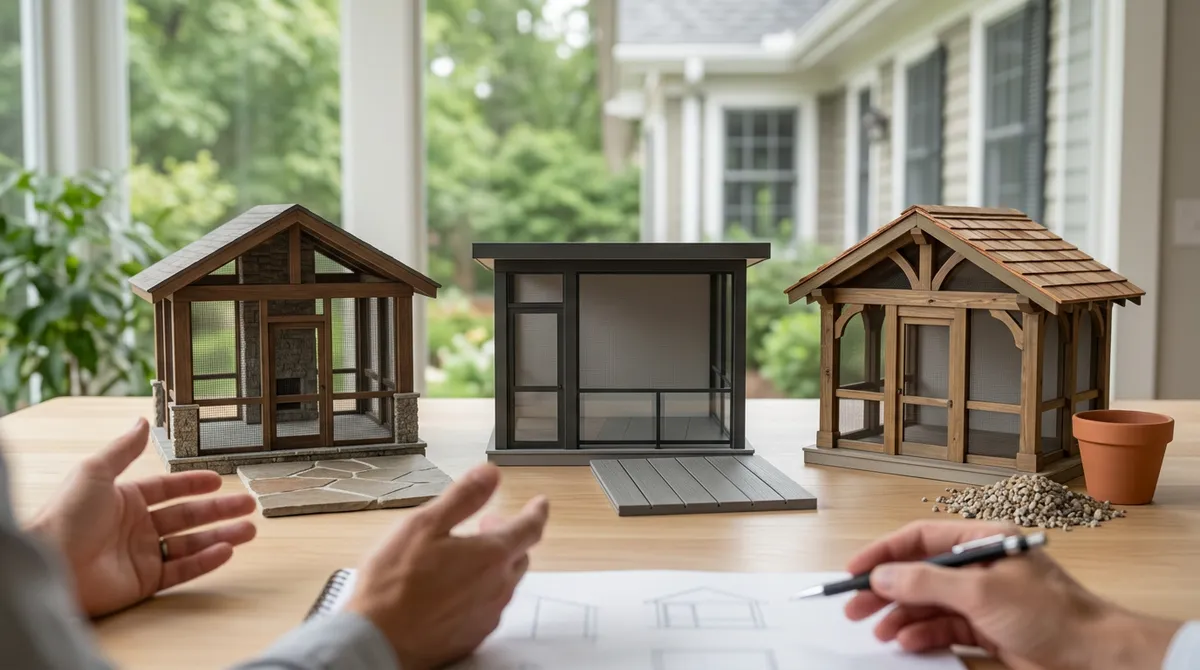
The first step in planning your screened patio is picking a style that matches your home and your personality. There’s no single right answer here. The best screened patio ideas are the ones that feel like a natural extension of your existing space.
Here are some popular styles to consider:
- Rustic and natural: Wood framing, stone flooring, and brick accents create a warm, cozy feel.
- Modern and sleek: Clean lines, vaulted ceilings, and minimal ornamentation give a contemporary look.
- Florida casual: Bright, breezy spaces with tile floors and ceiling fans — perfect for our climate.
- Cottage charm: Painted wood accents, plank ceilings, and classic railing styles for a relaxed vibe.
- Entertaining-focused: Larger footprints with defined areas for dining, lounging, and outdoor kitchens.
When you browse our view our gallery of completed projects, you’ll find inspiration for every taste. Take note of what catches your eye — that’s your style speaking.
Step 2 — Pick the Best Flooring Option
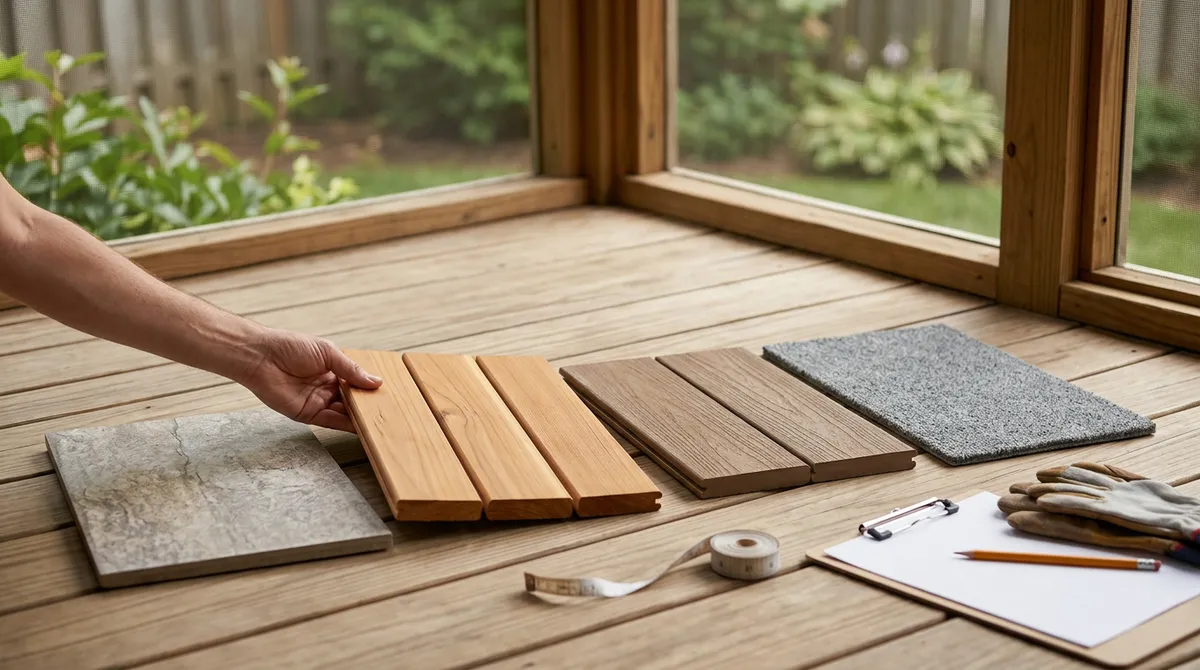
Flooring sets the foundation for your entire screened patio design. It affects how the space looks, how easy it is to maintain, and how well it holds up over time. In Florida’s humid climate, material selection really matters.
Here are the top flooring options ranked by popularity and performance:
- Concrete: Durable, affordable, and versatile. Concrete can be textured or stamped for added visual appeal. Our concrete pouring services include textured finishes that look beautiful and last for decades.
- Pavers: Elegant and easy to repair. Individual pavers can be replaced if one cracks, making maintenance simple. Explore custom paver designs to see the variety available.
- Tile: A classic Florida favorite. Porcelain or ceramic tile is cool underfoot and simple to clean.
- Composite decking: Resistant to moisture and warping. Great for raised screened patios or those connected to a deck.
- Natural wood: Beautiful but requires more maintenance in humid climates. Best suited for covered, well-ventilated spaces.
Concrete and pavers tend to be the most popular choices for Tampa Bay homeowners because of how well they handle Florida’s heat and humidity.
Step 3 — Select the Right Screening Material
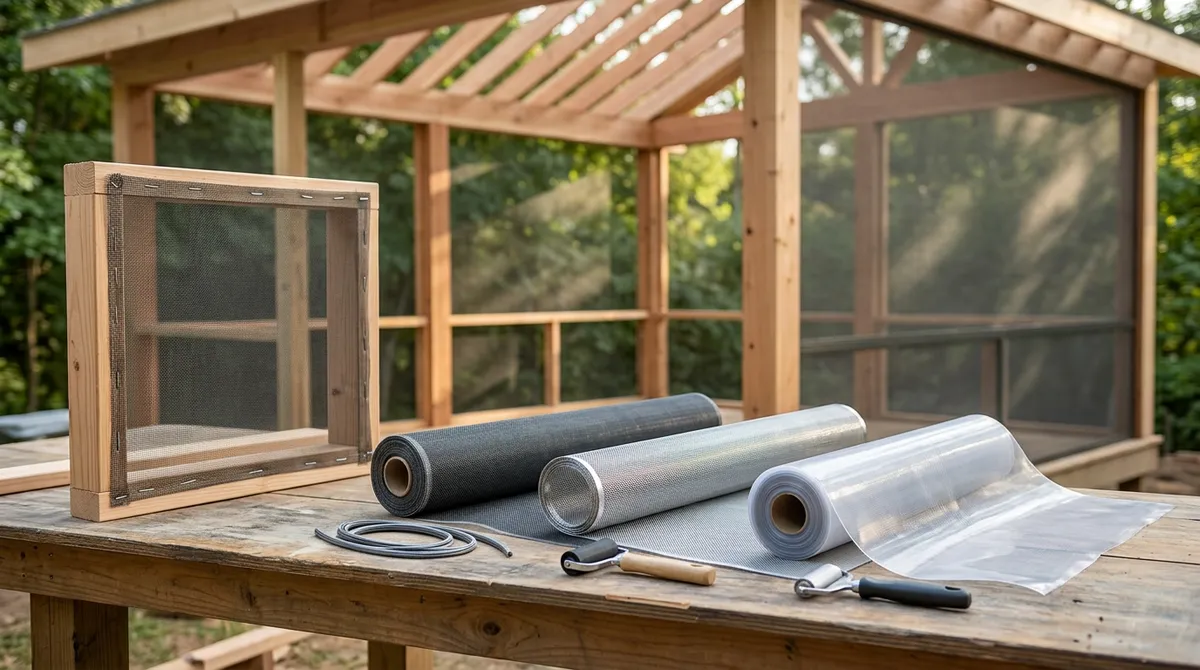
Not all screen materials are created equal. The screening you choose affects visibility, airflow, and long-term durability. Here’s a quick comparison to help you decide:
| Screen Type | Best For | Durability | Visibility |
|---|---|---|---|
| Fiberglass | General use | Good | Clear |
| Aluminum | High-traffic areas | Excellent | Clear |
| Solar/Sun Screen | Heat and UV reduction | Very Good | Slightly reduced |
| Pet-resistant | Homes with pets | Excellent | Clear |
| No-see-um | Areas with tiny insects | Good | Slightly reduced |
For most Tampa Bay homes, aluminum or solar screen material is the smart pick. Aluminum handles wear and tear better than standard fiberglass. Solar screen keeps the space cooler by blocking UV rays — a big bonus during our hot summers.
Step 4 — Plan Your Frame and Roofing System
The structural frame is what holds your screened patio together. Most frames are built using aluminum, wood, or composite materials. Each has its own advantages depending on your budget and aesthetic goals.
Roofing is another key decision. Here are your main options:
- Screen roof only: Maximum airflow and natural light. Best for mild weather enjoyment.
- Solid insulated roof: Full protection from rain and sun. Allows year-round use.
- Gable roof: Adds architectural interest with a peaked design that blends into the home’s roofline.
- Flat pan roof: Clean, modern look. Works great for contemporary home styles.
A solid roof transforms a screened patio into a true all-season outdoor room. If entertaining is your goal, a solid roof is usually worth the extra investment. Our home additions team can help you figure out which roofing system fits your home best.
Step 5 — Add Functional Features and Extras
The best screened patio ideas go beyond the basics. Functional extras are what take a simple enclosure and turn it into a favorite room of the house. Think about how you’ll actually use the space, then build around that vision.
Here are some popular features to consider adding:
- Ceiling fans: Essential in Florida. They keep air moving and make the space comfortable even in summer.
- Electrical outlets: Handy for string lights, small appliances, or a mini fridge.
- Outdoor lighting: Recessed lights, pendant lights, or string lights set the mood at night.
- Built-in speakers: Great for entertaining or relaxing evenings outside.
- Outdoor television: Perfect for game days or movie nights in the fresh air.
- Privacy screens or curtains: Add sections of solid wall or fabric curtains for extra privacy.
Planning these features before construction begins ensures they’re properly integrated. Adding them after the fact can be more costly and complicated. Talk through your wish list early in the planning process.
Step 6 — Think About Seamless Indoor-Outdoor Connection
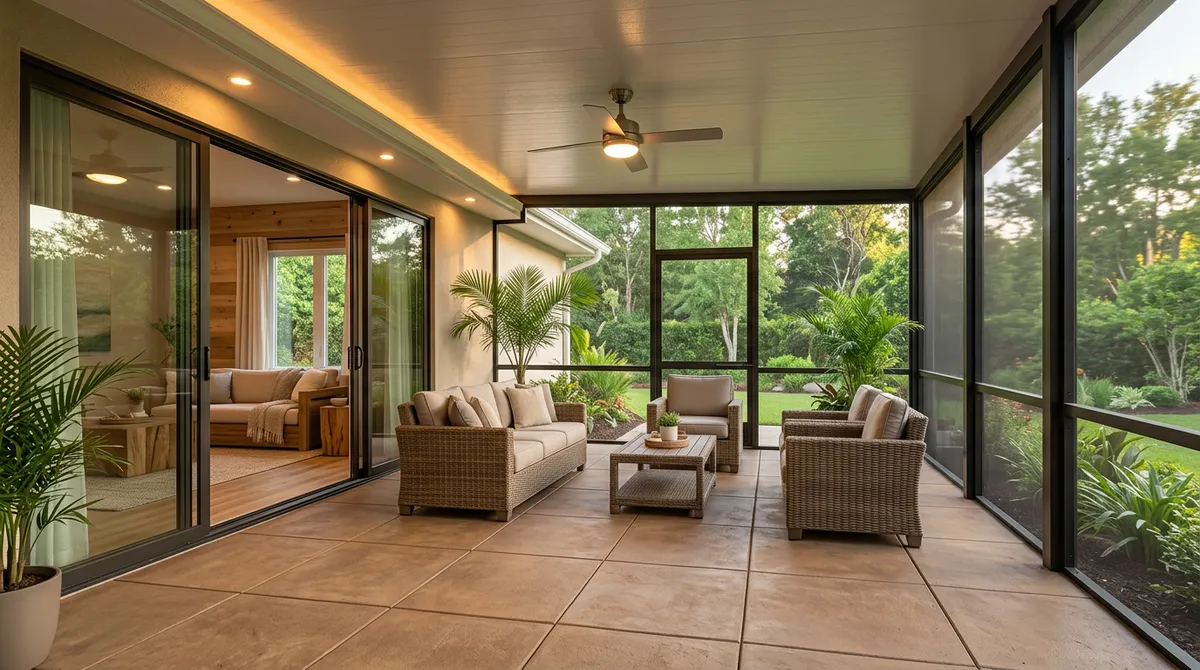
A screened patio feels best when it flows naturally from your home’s interior. Great contractors pay close attention to how the two spaces connect. This means matching flooring tones, coordinating color palettes, and ensuring the transition feels intentional rather than tacked on.
Wide sliding glass doors or French doors are popular transition points. They allow natural light to pour into the home and make the screened patio feel like an extension of your living room. If you’re converting an existing porch or patio, our home remodeling services can make that transition seamless.
At Quality Custom Contracting, our team led by licensed contractor Brian Tuck brings over 25 years of hands-on experience to every project. We treat every screened patio like it’s going on our own home — because that’s how we’ve always worked. You can Visit us on Google to read reviews from real Tampa Bay homeowners who’ve experienced our craftsmanship firsthand.
Design Ideas for Every Tampa Bay Homeowner
Need a little more inspiration? Here are some of the most popular screened patio ideas we see homeowners choose in our area:
- The Dining Retreat: A large screened patio with a full outdoor dining table, pendant lighting, and a ceiling fan. Perfect for family dinners or hosting guests on warm evenings.
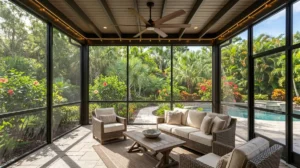
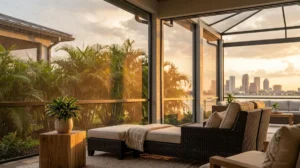
- The Lounge Zone: Comfortable outdoor sofas, a coffee table, and soft lighting. This layout mimics your living room but with a fresh-air feel.
- The Pool-Side Screen Room: A screened enclosure that wraps around your pool area, keeping leaves and bugs out while you swim and relax. Check out our pool enclosures for ideas.
- The Garden Porch: A smaller screened patio surrounded by tropical plants, a ceiling fan, and rustic wood accents. Feels like a private escape right in your backyard.
- The Multi-Function Room: Divided into zones — a dining area, a sitting area, and space for a grill or outdoor kitchen. Ideal for larger families who love to entertain.
Check out our Instagram page for photos of completed projects throughout the Tampa Bay region. You’ll find real-life examples of these design styles done right.
What to Expect During the Construction Process
Understanding the build process helps you feel confident and prepared. Here’s a general overview of how screened patio construction works:
- Initial consultation: You share your vision, budget, and must-have features.
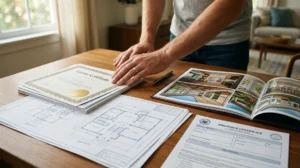
- Design and planning: Your contractor creates a plan and secures the necessary permits.
- Foundation and framing: Concrete is poured (if needed), and the frame is constructed.
- Roofing installation: The roof system is built and sealed.
- Screening installation: Screens are stretched tight and secured within the frame.
- Electrical and extras: Lighting, fans, and outlets are wired in by licensed professionals.
- Final walkthrough: Your contractor walks you through the finished space and addresses any concerns.
To learn more about how we manage every step, visit our our process page. We believe in clear communication from start to finish — no surprises, no shortcuts.
Materials That Last in Florida’s Climate
Florida’s climate is tough on building materials. High humidity, intense UV rays, and frequent rain demand materials that can handle the challenge. When planning your screened patio, prioritize materials rated for outdoor and coastal conditions.
Composite framing materials resist moisture and warping far better than untreated wood. Aluminum screen frames won’t rust. Concrete and paver flooring handles temperature swings without cracking. These aren’t just nice-to-haves — they’re smart investments that reduce long-term maintenance costs.
Follow us on our Facebook page where we regularly share tips, project spotlights, and advice for maintaining your outdoor living spaces in Florida’s unique environment.
Comparing Screened Patios to Other Outdoor Options
| Feature | Screened Patio | Open Patio | Sunroom |
|---|---|---|---|
| Bug protection | Yes | No | Yes |
| Airflow | Excellent | Excellent | Limited |
| Weather protection | Partial | None | Full |
| Natural light | High | Full | High |
| Cost (relative) | Moderate | Lower | Higher |
| Year-round use in FL | Yes (with solid roof) | Seasonal | Yes |
For most Tampa Bay homeowners, a screened patio hits the sweet spot. It costs less than a fully enclosed sunroom but provides far more comfort than an open patio. It’s the perfect middle ground for Florida outdoor living.
Ready to Build Your Dream Screened Patio?
A great screened patio starts with a great plan — and a contractor who actually listens. At Quality Custom Contracting, we serve homeowners across Hillsborough, Pinellas, Manatee, Sarasota, and Pasco counties. Every project gets the same care and attention whether it’s a modest screened enclosure or a full outdoor patios transformation. We also invite you to explore our our blog for more tips and ideas for your home.
You’ve got the screened patio ideas. Now it’s time to bring them to life. Request your free estimate today and let’s start planning the outdoor space you’ve always wanted. You can also check out our frequently asked questions page to get answers before your first call.
FAQs
Q: How much does a screened patio cost in the Tampa Bay area?
A: Costs vary depending on size, materials, and features, but a quality screened patio is a worthwhile investment in your home and lifestyle. We always provide free estimates so you know exactly what to expect before any work begins — no surprises, ever!
Q: Can I convert my existing open patio into a screened patio?
A: Absolutely, and it’s one of the most popular remodeling projects we handle! An existing concrete or paver patio can often serve as the floor for your new screened enclosure, which can save on overall project costs. Our team will assess your current space and build a plan that works beautifully.
Q: How long does a screened patio installation typically take?
A: Most screened patio projects in the Tampa Bay area are completed within a few weeks, depending on size and complexity. We’ll give you a clear project timeline upfront so you can plan around it. We know your time is valuable!
Q: Do I need a permit to build a screened patio in Florida?
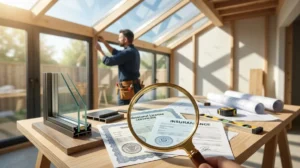
A: Yes, most screened patio and enclosure projects in Florida require a building permit. Don’t worry — handling permits is part of our process, and we take care of all the paperwork so you don’t have to stress about it.
Q: What is the most durable screening material for Florida homes?
A: Aluminum and solar screen materials are excellent choices for Florida’s climate because they resist UV damage, handle humidity well, and hold up against wear and tear. Solar screen also helps reduce heat inside your enclosure, which is a huge bonus during Tampa Bay’s hot summers!