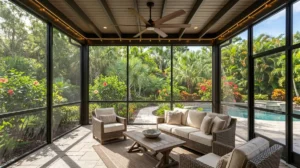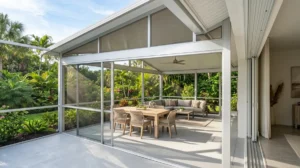
Key Takeaways
-
Sunrooms cost $15,000-$40,000 while solariums range $30,000-$75,000+; sunrooms offer better value for most homeowners seeking functional living space.
-
Sunrooms integrate with existing HVAC for reliable year-round temperature control, whereas solariums overheat in summer and lose heat in winter, often requiring separate costly climate systems.
-
Sunrooms have solid or partial glass roofs requiring minimal maintenance, while solariums with fully glass roofs need frequent cleaning and glass seal repairs, often with limited 10-year warranties.
-
In Tampa Bay's hot climate, four-season sunrooms are more practical than all-glass solariums for everyday comfort and year-round enjoyment without excessive cooling costs.
-
Sunrooms blend seamlessly with home architecture and appeal to broad buyer demographics, enhancing resale value, while solariums have niche appeal and may concern buyers about maintenance demands.
-
Define your primary use first—sunrooms work best as family rooms or offices, while solariums suit specific purposes like plant sanctuaries or art studios requiring maximum natural light.
Thinking about adding a bright, airy space to your Tampa Bay home? You’re not alone. Many homeowners are exploring the idea of bringing more natural light and livable square footage into their properties. Two popular options come up again and again: sunrooms and solariums. But what’s the real difference between the two, and which one is right for your home?
At first glance, these two additions look pretty similar. Both feature lots of glass. Both connect your indoor living space to the beauty of the outdoors. But when it comes to construction, cost, maintenance, and how you’ll actually use the space, they are quite different. Whether you’re a homeowner dreaming of a cozy reading nook or an outdoor enthusiast who wants a year-round garden space, understanding these differences will help you make the best choice. Let’s break it all down in a way that’s simple and easy to follow.
What Is a Sunroom?
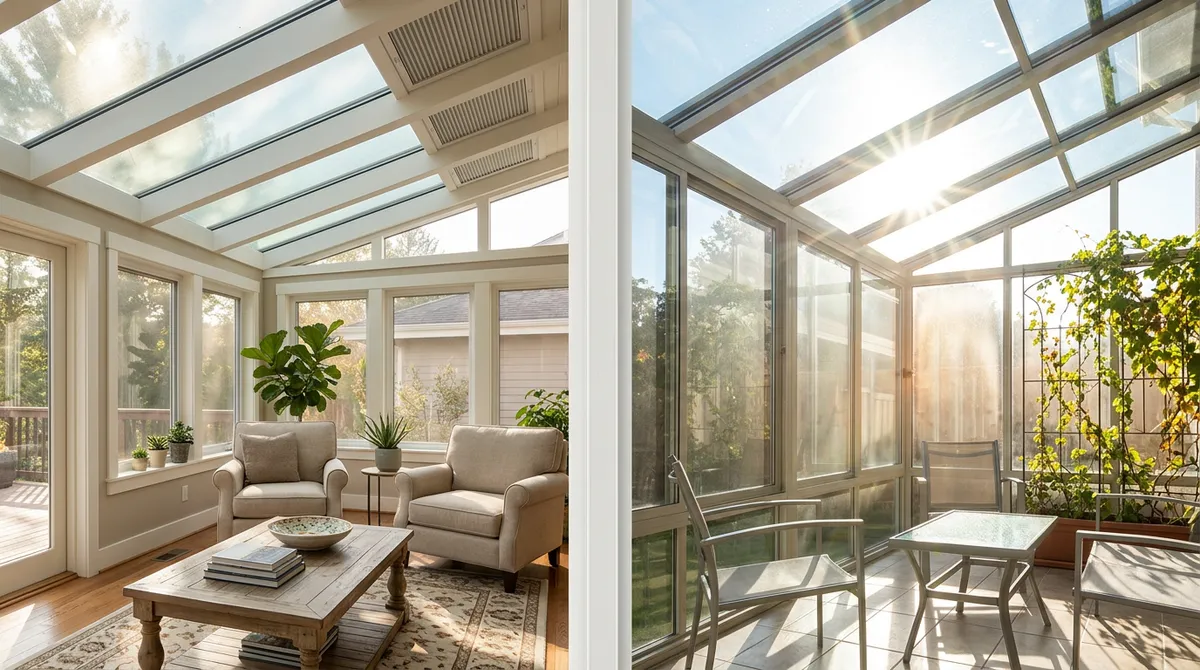
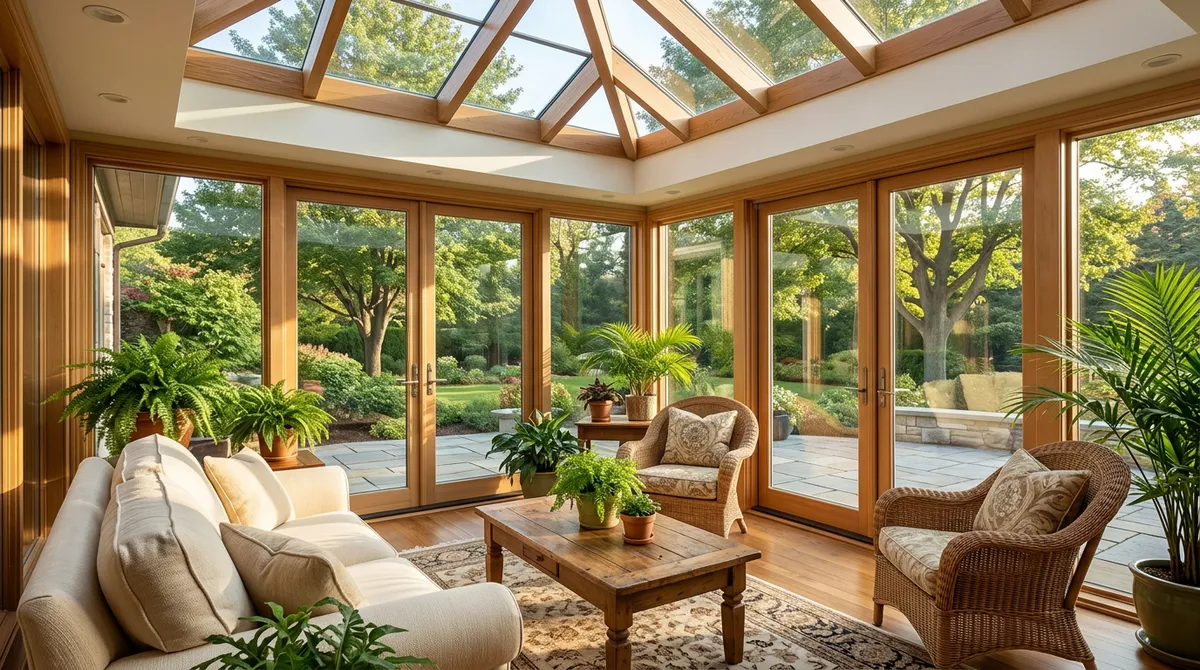
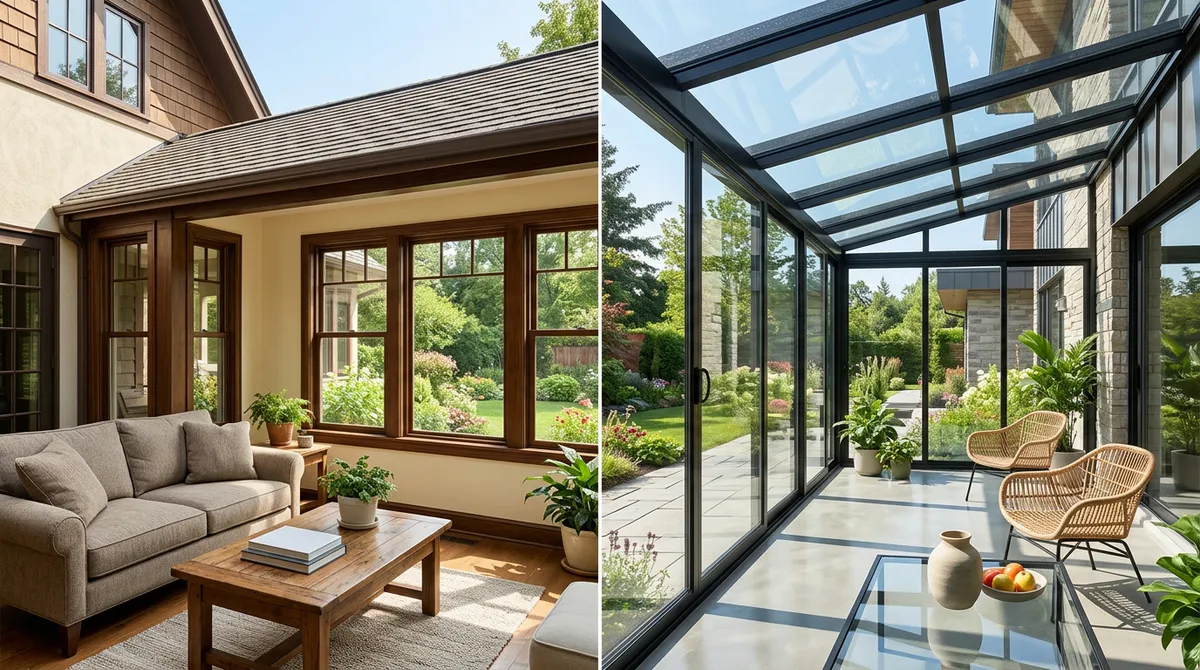
A sunroom is a room addition built with large windows along the walls. It typically has a solid or partially glassed roof, which gives it better insulation and temperature control. Think of it as a traditional room that simply lets in a lot more light than usual.
Sunrooms blend naturally with your home’s architecture. They’re often used as family rooms, home offices, dining areas, or casual lounges. Because they integrate with your home’s existing HVAC system, a four-season sunroom can be used comfortably all year long. If you’re exploring home additions that add real, functional living space, a sunroom is a strong contender.
What Is a Solarium?
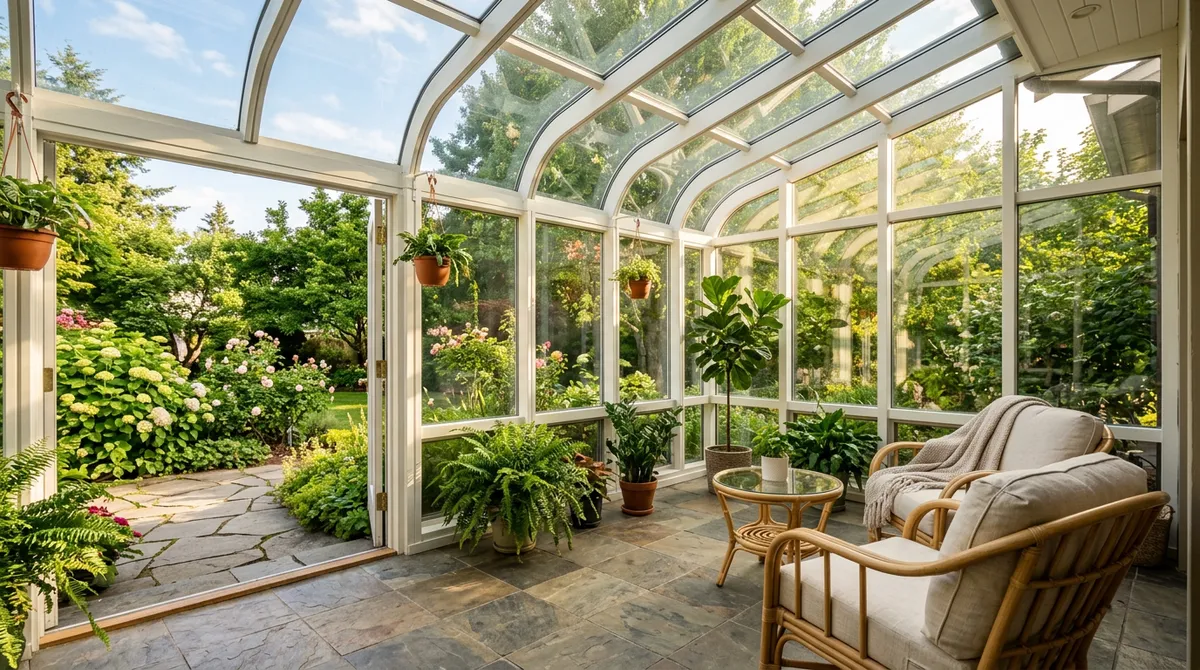
A solarium takes things a step further. Instead of just large windows, a solarium features fully glass-enclosed walls and a glass roof. This creates a panoramic, immersive experience where natural light floods in from every direction, including overhead.
Solariums are stunning spaces often used for plant collections, relaxation areas, or greenhouse-style living. However, all that glass comes with trade-offs. Climate control is harder to manage, and maintenance is more demanding. Solariums can overheat in summer and lose heat rapidly in winter, making them a bigger challenge in terms of comfort and energy use.
Sunroom vs Solarium: 9 Key Differences
1. Roof Design
This is the most obvious difference. A sunroom has a solid roof — or sometimes a partially glassed one — while a solarium has a fully transparent glass roof. The solid roof on a sunroom provides much better insulation and protection from the elements. The glass roof of a solarium creates that dramatic, open-sky feel but requires more upkeep and climate management.
2. Natural Light
Solariums win hands-down when it comes to sheer light volume. With glass on all sides and overhead, you get 360-degree natural light exposure. Sunrooms let in plenty of light through large windows but still feel more like a conventional indoor room. If maximum sunlight is your top priority, a solarium delivers that experience most fully.
3. Cost Comparison
Budget plays a big role in this decision. Here’s a quick look at typical price ranges for these additions:
| Addition Type | Typical Cost Range | Notes |
|---|---|---|
| Three-Season Sunroom | $15,000 – $25,000 | Good insulation, seasonal use |
| Four-Season Sunroom | $25,000 – $40,000 | HVAC integrated, year-round use |
| Solarium | $30,000 – $75,000+ | Specialized glass, complex installation |
A 12×12 three-season solarium costs approximately $25,000 including taxes, while four-season models run about 30% more, around $32,500. Full solariums with specialized glass and installation can easily reach $75,000 or more. Sunrooms are generally the more budget-friendly choice for homeowners seeking practical, livable space.
4. Temperature Control
Sunrooms shine here — pun intended. Because they connect to your home’s HVAC system, maintaining a comfortable temperature is straightforward. Four-season sunrooms are designed for year-round enjoyment regardless of the weather outside.
Solariums, on the other hand, are notoriously difficult to keep comfortable. They tend to overheat in summer due to all that glass absorbing sunlight. In cooler months, heat escapes quickly through the glass roof and walls. Many solarium owners end up installing separate climate control units, which adds to the overall cost.
5. Maintenance Requirements
A solid-roof sunroom is much easier to maintain. Standard window cleaning and occasional exterior upkeep keep things in good shape. A solarium’s glass roof is a different story. Glass seals are prone to failure over time, and dirt and debris accumulate quickly on the overhead glass. Cleaning a glass roof safely is no small task.
It’s also worth noting that solarium warranties are often limited. Many cover glass components for only 10 years and may be non-transferable, which can affect your home’s resale value down the road.
6. Privacy
If privacy matters to you — and for most Tampa Bay homeowners it does — sunrooms have a clear advantage. With a solid roof and traditional wall construction combined with large windows, you can easily add blinds, curtains, or shades. Solariums are much harder to make private given the all-glass design. You’ll feel like you’re living in a fishbowl unless you invest in specialty privacy glass or treatments.
7. Use Cases and Versatility
Here’s how each space tends to be used:
Sunroom common uses:
- Family room or den
- Home office or study
- Casual dining area
- Playroom for kids
- Year-round guest sitting room
Solarium common uses:
- Indoor plant garden or greenhouse
- Meditation or yoga space
- Art studio requiring natural light
- Exotic plant collections
- Dramatic entertaining space
Sunrooms are more versatile as everyday living spaces. Solariums are better suited for specific uses where maximum light is essential.
8. Architectural Integration
A well-designed sunroom blends seamlessly with your home’s existing architecture. It looks like a natural extension of the house rather than an add-on. This is great for curb appeal and home value. Home remodeling services that include sunroom additions can be tailored to match your existing roofline, siding, and style.
Solariums tend to stand out more visually. Their all-glass structure has a distinctive, almost futuristic look. This can be beautiful when done right, but it doesn’t always mesh with traditional home styles. Architectural compatibility is something to discuss carefully with your contractor before committing.
9. Resale Value Impact
Both additions can boost your home’s resale value, but sunrooms typically offer a safer return on investment. They add functional living square footage that appeals to a wide range of buyers. Solariums appeal to a narrower audience and may actually deter buyers who don’t want the maintenance challenges that come with a glass roof.
If you’re unsure how either option might affect your home’s value in the Tampa Bay market, it’s smart to consult with your contractor early in the planning process. You can also request a free estimate to understand the scope and investment involved before making any decisions.
Which Is Right for Tampa Bay Homeowners?
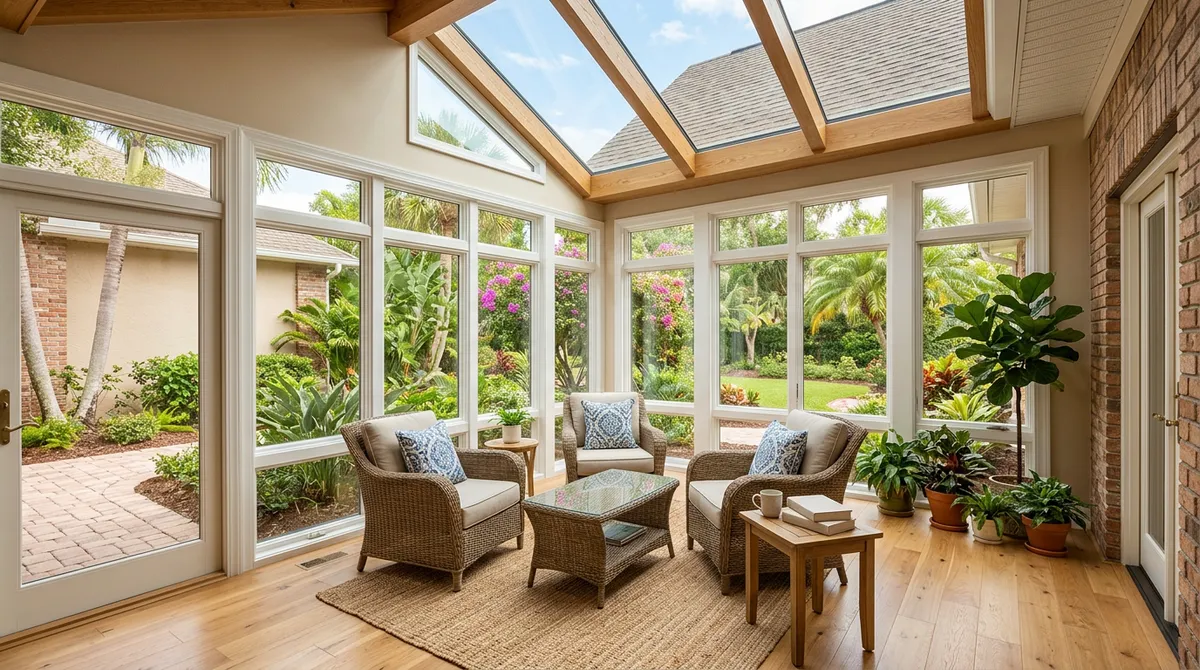
Here in West Central Florida, our climate is warm and sunny most of the year. That changes the calculus a bit compared to northern states. With Florida’s intense summer heat, a fully glass-enclosed solarium can become uncomfortably hot without serious HVAC investment. A well-insulated four-season sunroom often makes more practical sense for everyday enjoyment.
That said, if you love the idea of an indoor plant sanctuary or a dramatic glass retreat for relaxing evenings, a solarium can absolutely work here — as long as you plan for proper climate control from the start. Our team has helped many homeowners across Hillsborough, Pinellas, Manatee, Sarasota, and Pasco counties navigate exactly these kinds of decisions.
How to Choose: A Simple Step-by-Step Guide
Not sure where to start? Follow these steps to narrow down your choice:
- Define your primary use. Will this space be a family room, plant garden, or home office? Your intended use is the single biggest factor in making the right choice.
- Set a realistic budget. Sunrooms are more budget-friendly. If cost is a concern, a four-season sunroom gives you the most value for your money.
- Consider your climate needs. In Florida’s heat, plan for strong cooling capacity regardless of which option you choose.
- Think about maintenance commitment. Glass roofs require ongoing care. Honestly assess how much time and money you want to invest in upkeep.
- Consult a licensed contractor. Every home is different. An experienced contractor will assess your home’s structure, your lot, and your goals to recommend the best path forward.
What About Screen Enclosures?
If you love the idea of connecting with the outdoors but want a more open-air feel, don’t overlook the option of a screen enclosure. Screen enclosures are incredibly popular in Tampa Bay because they let you enjoy the beautiful Florida weather while keeping bugs and debris out. They’re typically more affordable than sunrooms or solariums and add real livable outdoor space to your home.
You might also consider pairing a screen enclosure with outdoor patios and pavers to create a complete outdoor living area that truly extends your home’s footprint. Check out our project gallery for inspiration on what’s possible.
Why Work With an Experienced General Contractor
Adding a sunroom or solarium isn’t a DIY weekend project. These are significant structural additions that require proper permitting, foundation work, framing, electrical, and finishing. Choosing the right contractor makes all the difference in getting a space that’s safe, beautiful, and built to last.
Quality Custom Contracting has been serving Tampa Bay homeowners for over 25 years. Led by licensed contractor Brian Tuck, our team brings honesty, precision, and personal care to every project. We believe in upfront estimates and clear communication — no surprises, no shortcuts. You can learn more about our approach on our project process page or visit our general contracting services page to see everything we offer.
We’d love to hear about your vision. You can also check out what our happy clients have to say on Yelp, browse our latest work on our Instagram page, or connect with us on our Facebook page.
Quick Comparison Summary
Here’s a side-by-side look to help you remember the key points:
| Feature | Sunroom | Solarium |
|---|---|---|
| Roof Type | Solid or partial glass | Full glass |
| Natural Light | High | Maximum |
| Cost | Lower ($15K–$40K) | Higher ($30K–$75K+) |
| Temperature Control | Easier (HVAC integrated) | Harder (separate units needed) |
| Maintenance | Low to moderate | High |
| Privacy | Easy to achieve | Difficult |
| Versatility | High | Moderate |
| Resale Value | Broad appeal | Niche appeal |
Final Thoughts
The sunroom vs solarium debate ultimately comes down to how you want to use the space, what your budget looks like, and how much maintenance you’re willing to take on. For most Tampa Bay homeowners, a four-season sunroom offers the best balance of comfort, value, and versatility. If you’re drawn to the dramatic, all-glass experience of a solarium, just make sure you plan carefully for climate control and long-term upkeep.
Either way, you deserve a space that brings you joy every single day. The team at Quality Custom Contracting is here to help you build it right. Visit us on Google to read reviews from real homeowners in your community, then reach out when you’re ready to take the next step.
Ready to start planning your dream addition? Request your free estimate today and let’s talk about bringing your vision to life — with no shortcuts and no surprises.
FAQs
Q: What is the main difference between a sunroom and a solarium?
A: The biggest difference is the roof! A sunroom has a solid or partially glassed roof, while a solarium features a fully glass-enclosed roof and walls. This means solariums let in more light but are harder to keep comfortable and require more maintenance.
Q: How much does a sunroom addition cost compared to a solarium?
A: Sunrooms are generally more budget-friendly, ranging from $15,000 to $40,000 depending on the season rating. Solariums typically start around $30,000 and can reach $75,000 or more due to specialized glass and complex installation. We always recommend getting a free estimate so you know exactly what to expect!
Q: Are solariums practical for year-round use in Florida’s climate?
A: They can be, but Florida’s intense summer heat makes all-glass solariums challenging to cool without significant HVAC investment. A four-season sunroom is often a more practical and comfortable choice for year-round enjoyment here in Tampa Bay.
Q: Which option adds more resale value to my home — a sunroom or a solarium?
A: Sunrooms typically offer a broader appeal to home buyers and a safer return on investment. Solariums attract a more niche audience and can sometimes concern buyers due to the ongoing maintenance of glass roofs and seal systems.
Q: Can a contractor help me decide between a sunroom and a solarium?
A: Absolutely — and it’s honestly one of the best things you can do before committing to a project! An experienced general contractor will evaluate your home’s structure, your goals, and your budget to recommend the option that makes the most sense for your specific situation.