Key Takeaways
-
Florida Building Code requires all screen enclosures to meet hurricane-force wind resistance standards with proper engineering, anchors, and licensed contractor installation to ensure safety.
-
Screen enclosures add measurable home value and increase property appeal to buyers while extending outdoor living season year-round despite Florida's heat, humidity, and afternoon rain.
-
Choose aluminum framing (rust-resistant and low-maintenance) paired with appropriate mesh options: standard fiberglass, pet-resistant, solar screen, or no-see-um based on your specific needs.
-
Always hire a Florida-licensed Structural Aluminum or Screen Enclosure Specialty Contractor with $1M+ liability insurance and verified credentials to avoid legal issues and ensure code compliance.
-
The construction process requires permits, property surveys, engineering approval, HOA clearance if applicable, and final building department inspection—never skip permitting to avoid fines.
-
Routine maintenance including quarterly rinsing, annual frame inspections, post-storm repairs, and professional inspections every few years keeps enclosures functional for 15-20 years.
Living in Florida is a dream for most people. Warm sunshine, beautiful evenings, and outdoor spaces that beg to be enjoyed year-round. But anyone who has spent a summer evening in Tampa Bay knows the struggle — mosquitoes, scorching heat, and those unpredictable afternoon showers. That’s exactly why a screen enclosure in Florida has become one of the most popular home upgrades in the Sunshine State. Whether you’re wrapping your pool, creating a screened lanai, or building a full outdoor living room, a screen enclosure transforms your backyard into a comfortable, usable space every single day. In this guide, we’ll walk you through everything you need to know — from the benefits and materials to the building process and what to look for in a qualified contractor. Let’s make your outdoor space the envy of the neighborhood!
What Is a Screen Enclosure in Florida?
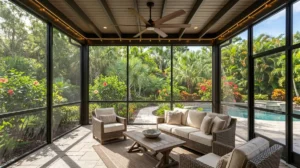
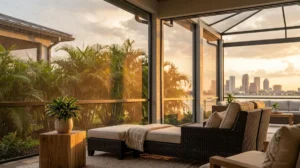
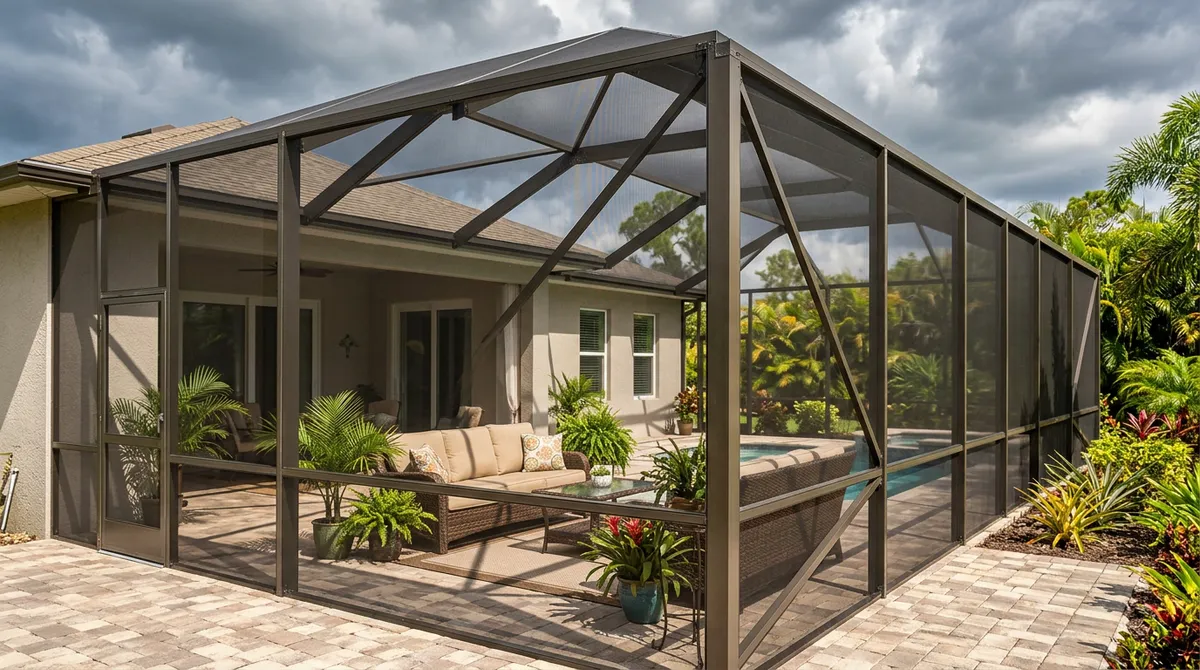
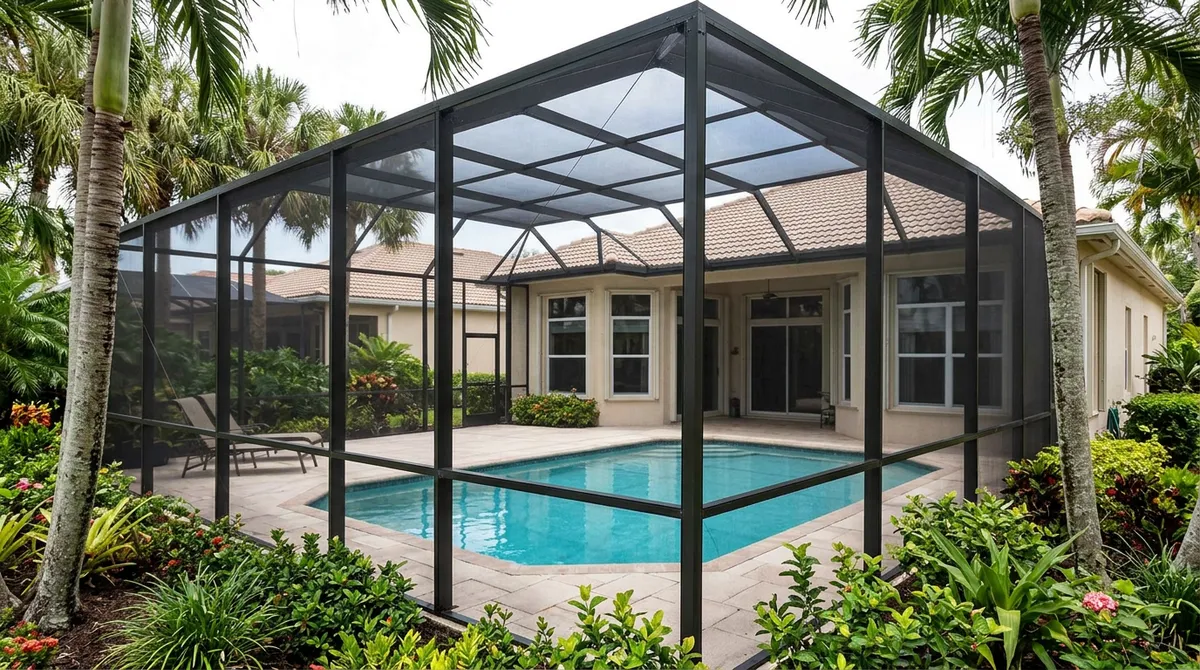
A screen enclosure is a custom-built aluminum structure that surrounds an outdoor area with mesh screening. In Florida, these structures are commonly built around pools, patios, lanais, and porches. They keep bugs out while letting fresh air flow freely through your space. They also provide shade and some protection from light rain — a true Florida essential.
These enclosures come in many shapes and sizes. Some are simple screened-in porches. Others are large pool cages that enclose an entire backyard oasis. You can even add features like Florida Glass panels for extra weather protection or upgraded pet-resistant screens. The options are wide, and the results are incredible. You can explore options for screen enclosures and pool enclosures to find the right fit for your home.
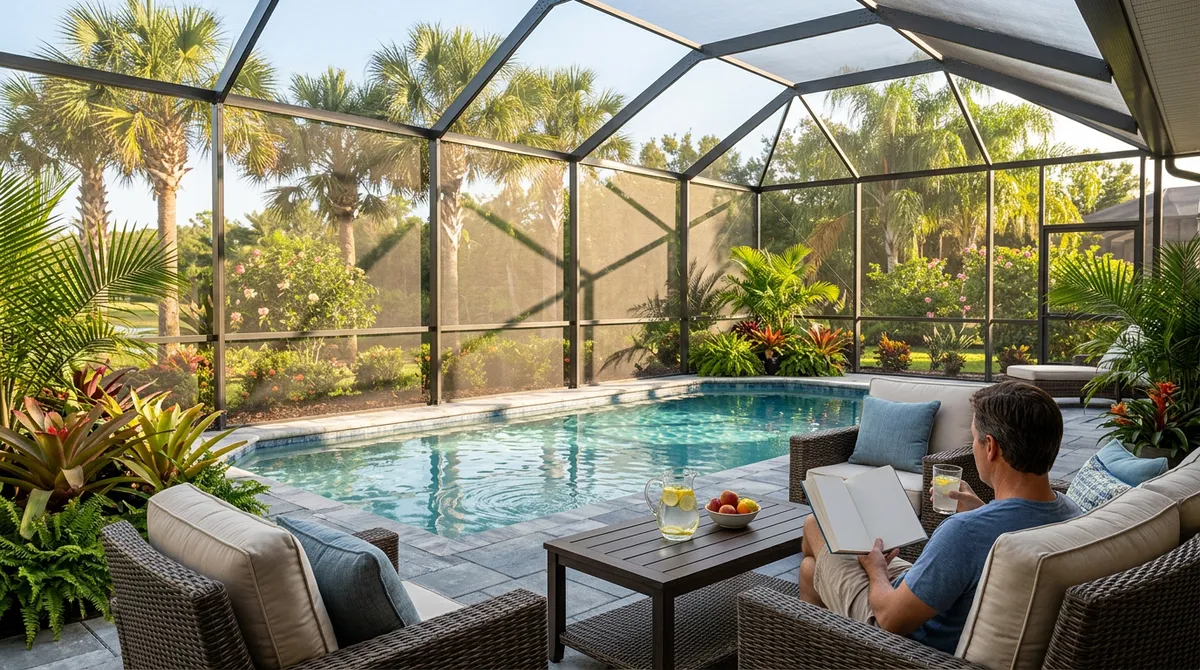
Top Reasons Florida Homeowners Choose Screen Enclosures
It’s no secret that Florida residents love their outdoor spaces. A screen enclosure makes those spaces livable and enjoyable throughout the year. Here are the biggest reasons homeowners make this investment:
- Bug protection: Say goodbye to mosquitoes, no-see-ums, and other pests invading your patio time.
- UV and shade coverage: Screens can block a portion of UV rays, keeping your space cooler and protecting your skin.
- Increased home value: A well-built screen enclosure is a strong selling point that adds real value to your property.
- Pool safety: Enclosing your pool adds a layer of protection for children and pets.
- Reduced pool maintenance: Fewer leaves, debris, and insects in your pool means less cleaning time.
- Extended outdoor living season: Enjoy your outdoor space during rainy season without getting soaked.
These benefits make screen enclosures one of the smartest home improvement investments a Tampa Bay homeowner can make. Pair your enclosure with outdoor patios and custom paver designs for a complete outdoor living upgrade.
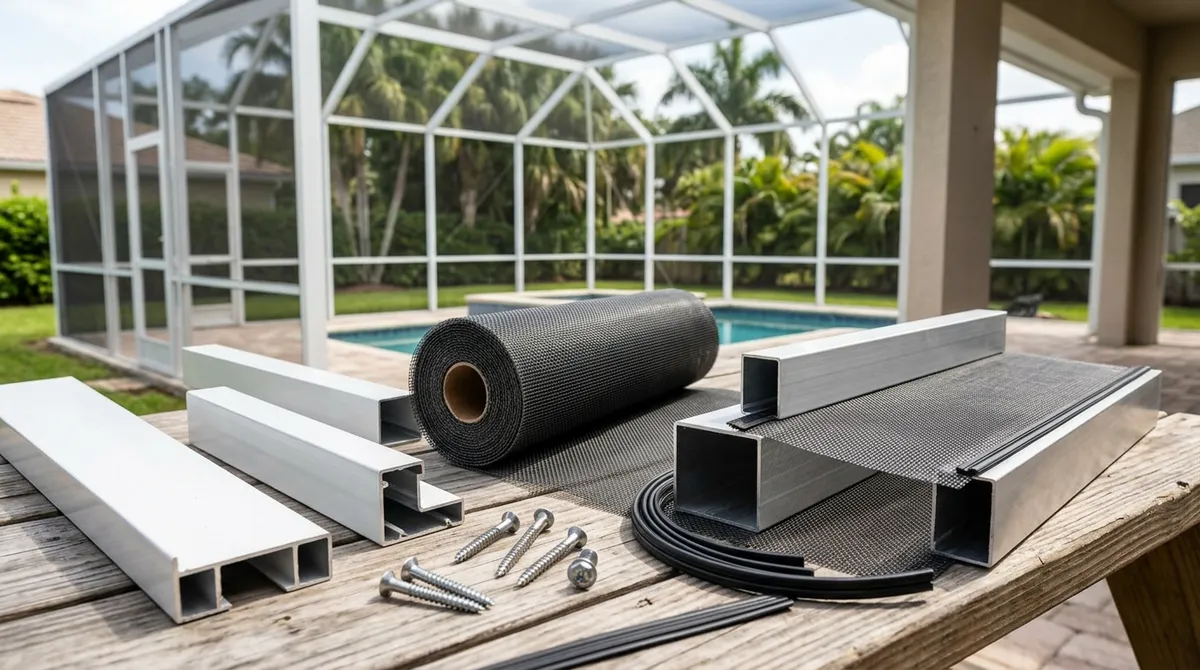
What Materials Are Used for Florida Screen Enclosures?
Florida’s climate is tough on building materials. Heat, humidity, salt air, and storms all take a toll. That’s why Florida screen enclosures are built with specific materials designed to last in these conditions.
Aluminum Framing
Aluminum is the go-to choice for screen enclosure frames in Florida. It’s rust-resistant, lightweight, and strong. Aluminum holds up well against humidity and does not rot or corrode like wood. It also requires very little maintenance over time, which homeowners appreciate.
Screen Mesh Options
Not all screen mesh is created equal. Here are the most common types used in Florida screen enclosures:
- Standard fiberglass screen: The most affordable option, great for basic bug protection.
- Pet-resistant screen: A heavier-duty mesh designed to resist scratching and tearing from pets.
- Solar screen: Reduces glare and UV exposure while still allowing airflow.
- No-see-um screen: Has a tighter weave to keep out the smallest insects.
- Florida Glass panels: Solid acrylic or glass panels used in combination with screen for added weather protection.
Hurricane-Rated Anchors and Hardware
Florida Building Code requires that all screen enclosures meet specific wind resistance standards. This means the anchors, fasteners, and structural components must be rated for hurricane-force winds. A licensed contractor will ensure your enclosure meets all of these requirements before construction begins.
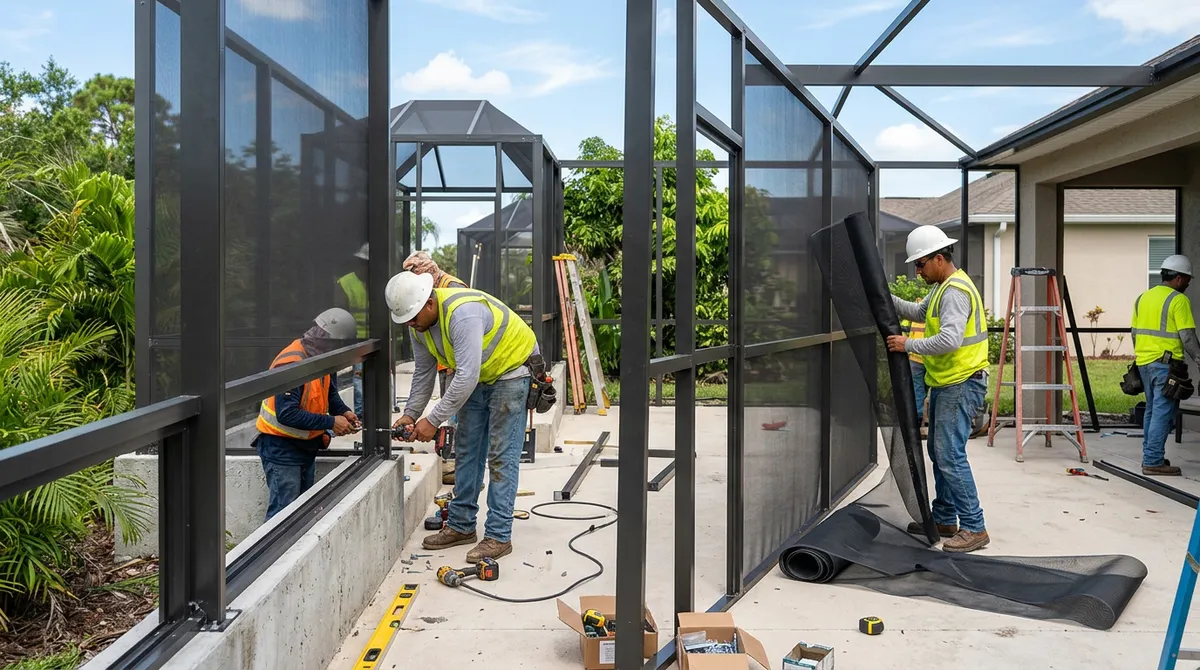
The Screen Enclosure Building Process Step by Step
Understanding the process helps you feel confident and prepared. Here’s how a professional screen enclosure project typically unfolds in Florida:
- Initial consultation and design: Your contractor meets with you to discuss your vision, needs, and budget. They assess your outdoor space and recommend the best enclosure design.
- Property survey: A survey confirms exact property lines and ensures the enclosure placement is within setback requirements.
- Engineering and HOA approval: The design is reviewed by a structural engineer to confirm it meets Florida Building Code wind standards. If you live in an HOA community, approval is obtained at this stage.
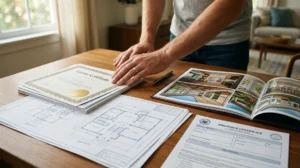
- Permitting: Your contractor pulls all required building permits from the local municipality. This is a non-negotiable step in Florida — never skip it.
- Foundation and concrete work: If a new concrete slab or footings are needed, this is completed before the aluminum structure goes up. You can also learn more about concrete pouring services that support enclosure projects.
- Frame installation: The aluminum frame is assembled and anchored securely to the foundation and home structure.
- Screen installation: Mesh screening is stretched and secured across the frame panels.
- Final inspection: The project is inspected by the local building department to confirm code compliance.
A smooth process like this is the hallmark of a skilled general contractor. You can read more about how quality workmanship comes together on our process page.
Do You Need a License to Build a Screen Enclosure in Florida?
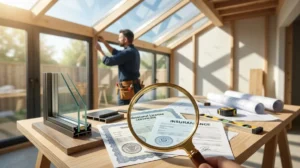
Yes — absolutely. In Florida, building a screen enclosure requires a licensed contractor. The Florida Structural Aluminum or Screen Enclosure Specialty Contractor License qualifies contractors to work on aluminum screened porches, pool enclosures, pre-formed panel-post roofs, and utility structures up to 720 square feet. This license also covers incidental work like framing and rescreening.
Hiring a licensed and insured contractor protects you legally and financially. Always verify that your contractor carries sufficient liability insurance and workers’ compensation coverage. The best contractors carry over $1,000,000 in liability insurance. You can check credentials and reviews on platforms like Yelp before hiring.
Screen Enclosure Types Compared
Choosing the right type of screen enclosure depends on your space and lifestyle goals. Here’s a helpful comparison of the most popular options:
| Enclosure Type | Best For | Key Features |
|---|---|---|
| Pool Cage | Homeowners with a pool | Full pool coverage, debris control, safety barrier |
| Screen Room / Lanai | Outdoor entertaining spaces | Open-air feel, bug protection, versatile design |
| Screened-In Porch | Front or back porch spaces | Affordable entry option, attached to the home |
| Florida Room / Sunroom | Year-round indoor-outdoor space | Glass panels, climate-controlled option |
| Combo Enclosure | Pool and patio combined | Maximum coverage, custom layout, premium appeal |
How to Choose the Right Contractor for Your Screen Enclosure
Picking the right contractor is just as important as picking the right design. Here’s what to look for when choosing a screen enclosure contractor in Florida:
- Valid Florida contractor license: Confirm they hold the appropriate structural aluminum or screen enclosure specialty license.
- Proper insurance: Liability coverage and workers’ compensation are non-negotiable for your protection.
- Experience with Florida Building Code: Your contractor must know wind load requirements and engineering standards specific to Florida.
- Transparent estimates: A trustworthy contractor provides upfront, detailed estimates with no hidden surprises.
- Portfolio of past work: Ask to see completed projects. A strong gallery speaks volumes about craftsmanship and quality.
At Quality Custom Contracting, led by licensed contractor Brian Tuck with over 25 years of experience, every screen enclosure project is handled with precision and care from start to finish. You can view our gallery to see the quality of our completed outdoor living projects. You can also check out photos and updates on our Instagram page for inspiration.
Caring for Your Florida Screen Enclosure
Once your enclosure is built, a little routine maintenance keeps it looking great for years. Here are simple care tips every Florida homeowner should follow:
- Rinse the screen panels with a garden hose every few months to remove dust, pollen, and dirt.
- Inspect the aluminum frame annually for any signs of oxidation or loose connections.
- Check screen panels after major storms for small tears or holes and repair them promptly.
- Keep vegetation trimmed away from the enclosure to prevent mold growth and physical damage.
- Schedule a professional inspection every few years to ensure structural integrity and code compliance.
A well-maintained screen enclosure can last 15 to 20 years or more in Florida’s climate. That’s an excellent return on your investment. If your enclosure ever needs updates, home remodeling services can help you refresh or expand your outdoor space.
Pairing Your Screen Enclosure with Other Outdoor Upgrades
A screen enclosure is even better when combined with complementary outdoor features. Think about pairing your new enclosure with some of these popular upgrades:
- A freshly poured concrete slab or decorative paver floor inside the enclosure
- Outdoor kitchen or built-in grill areas under the screened roof
- Landscape lighting to make your evenings magical
- A pool deck resurfacing for a cohesive, polished look
- Interior or exterior painting to tie your home’s style together seamlessly
You can explore general contracting services to bundle your outdoor projects and save time by working with one trusted team. Learn more about our team and values on our about us page, and connect with our community through our Facebook page.
Is a Screen Enclosure Worth It in Florida?
Without a doubt, yes. A screen enclosure in Florida is one of the highest-value home improvements you can make. It enhances your quality of life every single day. It increases your property’s appeal to future buyers. And it turns an outdoor space that sits unused into your favorite room in the house.
Whether you’re a new homeowner just settling into Tampa Bay or a long-time resident ready to finally upgrade your backyard, a custom screen enclosure is a decision you won’t regret. Take a look at what satisfied customers say about quality workmanship by visiting us on Google to read real reviews from real neighbors.
Ready to transform your outdoor space? The team at Quality Custom Contracting is here to guide you every step of the way — from the first design conversation to the final inspection. Request your free estimate today and let’s build something beautiful together for your Tampa Bay home.
FAQs
Q: Do I need a permit to build a screen enclosure in Florida?
A: Yes, permits are required for screen enclosures in Florida! Your licensed contractor will handle the permitting process for you, including engineering approvals and HOA sign-offs if needed. Skipping permits can lead to fines and complications when selling your home, so always work with a pro who does things the right way.
Q: How long does it take to build a screen enclosure in Florida?
A: The timeline varies depending on the size and complexity of your project, but most screen enclosures are completed within a few weeks once permits are approved. The pre-construction steps like surveys, engineering, and permitting can take a bit longer, so it’s great to plan ahead. Your contractor should give you a clear project timeline from day one.
Q: Can a screen enclosure in Florida withstand hurricane winds?
A: Absolutely! Florida Building Code requires that all screen enclosures be engineered to meet specific wind resistance standards for your region. Licensed contractors use hurricane-rated anchors, reinforced aluminum framing, and impact-resistant hardware to make sure your enclosure stays safe through storm season. Always ask your contractor about their wind load ratings before construction begins.
Q: Will a screen enclosure increase my home’s value in Florida?
A: Yes — a professionally built screen enclosure is a strong selling point for Florida homes and can meaningfully boost your property value. Buyers love the added outdoor living space, bug protection, and pool safety benefits that come with a quality enclosure. It’s one of those upgrades that pays off both while you live there and when it’s time to sell.
Q: What is the best screen material for a Florida screen enclosure?
A: The best screen material depends on your needs and lifestyle! Standard fiberglass is budget-friendly and great for basic bug protection, while solar screen reduces UV exposure and heat. If you have pets, a heavy-duty pet-resistant screen is a smart choice to prevent tears and damage. A licensed contractor can help you choose the right mesh for your specific situation and Florida’s climate.