Key Takeaways
-
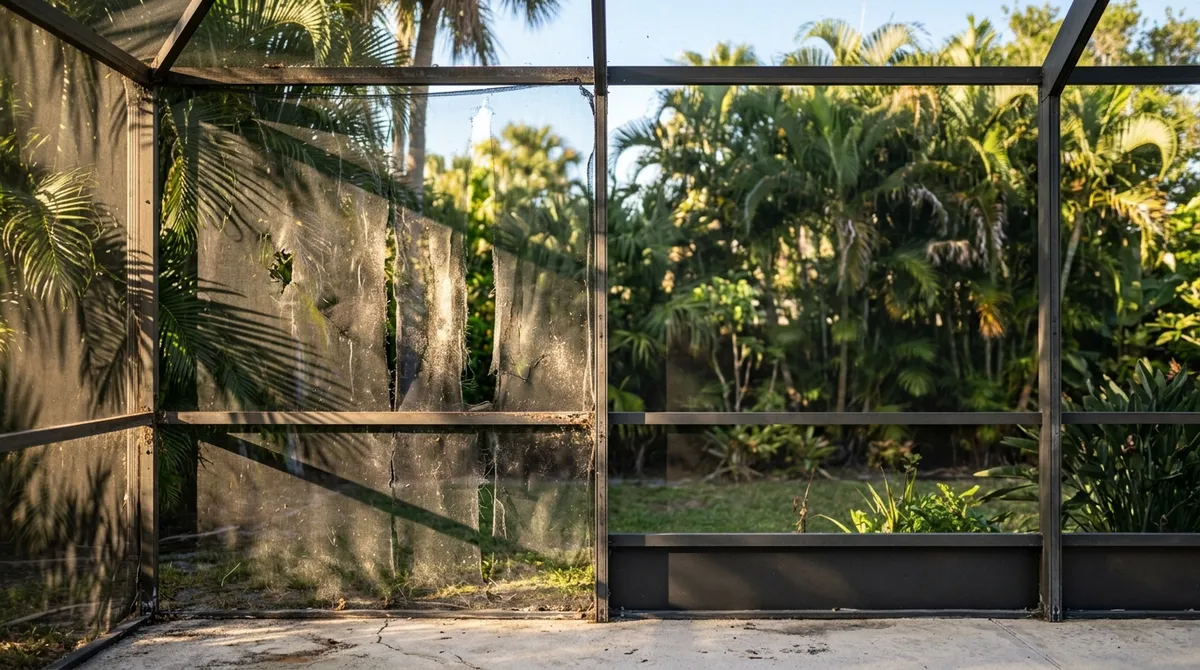
Florida lanai screens typically last 7-15 years, but intense UV rays, heavy rain, and hurricane-force winds can significantly shorten this lifespan; watch for holes, sagging, rust, or bugs getting inside.
-
Screen material choice matters greatly—charcoal fiberglass and solar screens are popular in Florida for durability and heat/UV blocking, while pet screens offer tear-resistance for homes with pets.
-
Professional installation is worth the investment over DIY, as improper screen tension can cause uneven appearance, frame damage, and premature wear; aluminum frames are ideal for Florida’s humid climate.
-
Lanai rescreening projects often uncover additional issues like cracked concrete or structural damage that can be addressed simultaneously, saving time and money with a full-service contractor.
-
Well-maintained lanais add genuine resale value in Tampa Bay’s real estate market and restore outdoor functionality, making the space usable again, especially during evening mosquito hours.
-
Always hire a licensed, insured Florida contractor to handle permits and structural changes; get a free written estimate upfront and ask about upgrades like solar screens or privacy panels before work begins.
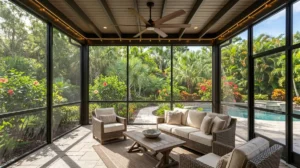
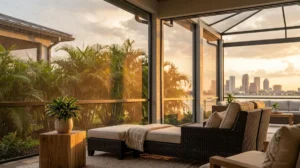
If you live in Tampa Bay, your lanai is basically your second living room. It’s where you sip your morning coffee, watch the sunset, and keep the bugs out while enjoying the Florida breeze. But over time, those screens take a beating. Wind, rain, pets, and just plain old age can leave them torn, sagging, or full of holes. When that happens, lanai screen replacement becomes a top priority.
The good news? A fresh rescreening can completely transform your outdoor space. Whether your lanai is looking a little rough around the edges or you’re ready for a full upgrade, knowing what to expect makes the whole process easier. Here are 9 key things every Tampa Bay homeowner should know before jumping into a lanai screen replacement project.
1. Your Screens Have a Lifespan
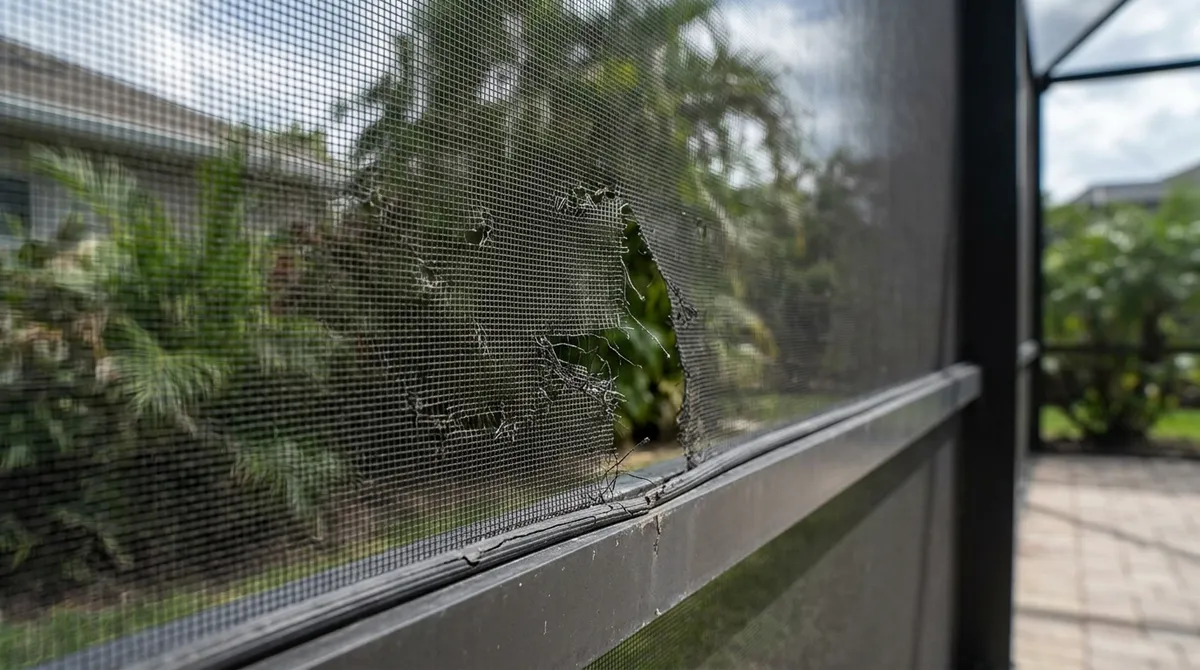
Most standard lanai screens last anywhere from 7 to 15 years. That range depends on the material, weather exposure, and how much wear and tear they see. In Florida, the combination of intense UV rays, heavy rain, and hurricane-force winds can shorten that lifespan considerably.
Here are the most common signs it’s time for a replacement:
-
Visible holes or tears in the mesh
-
Screens that are loose, sagging, or billowing
-
Rust or corrosion on the frame
-
Bugs getting in despite the screens being intact
-
Discoloration or brittleness in the screen material
If you’re checking off more than one of these, it’s time to call in a professional. Check out our screen enclosures page to learn about the full range of services we offer.
2. Screen Material Matters More Than You Think
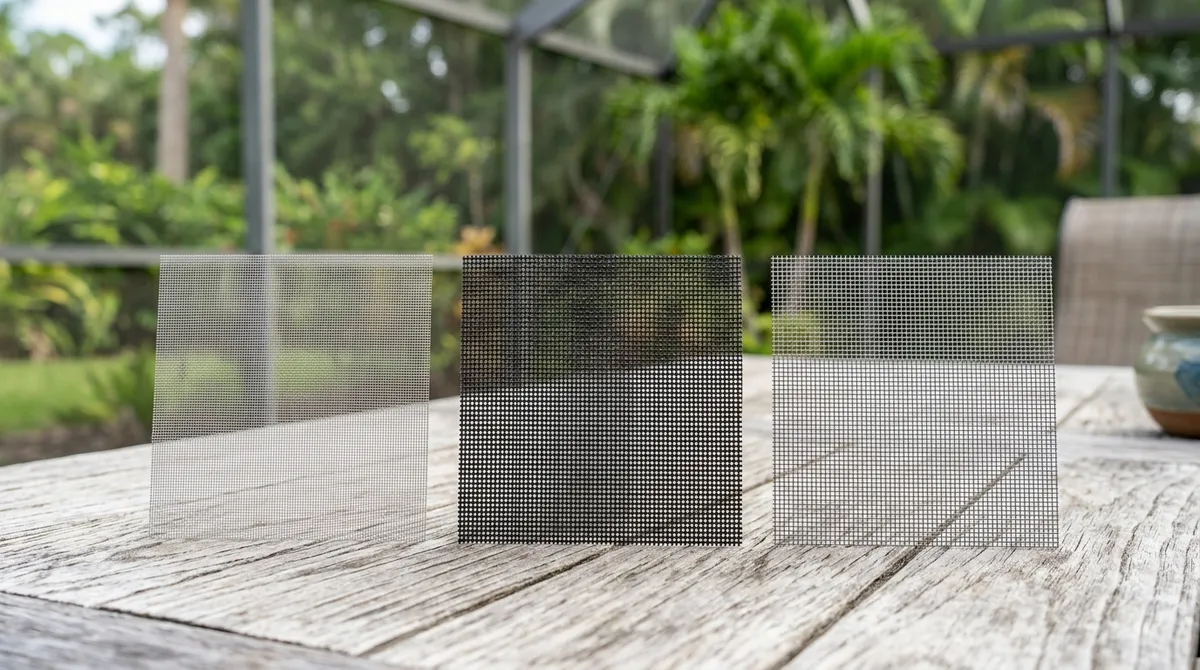
Not all screen mesh is created equal. The type of material you choose affects durability, visibility, airflow, and even your energy bills. In 2026, homeowners have more options than ever.
|
Screen Type |
Best For |
Key Benefit |
|---|---|---|
|
Standard Fiberglass |
Budget-friendly replacement |
Affordable, easy to install |
|
Charcoal Fiberglass |
Better visibility and durability |
Stronger than standard mesh |
|
Solar/Sun Screen |
Energy efficiency |
Reduces heat and glare |
|
Pet Screen |
Homes with dogs or cats |
Tear-resistant and heavy-duty |
|
Privacy Screen |
Added seclusion |
Limits outside visibility |
Solar screens, for example, can block a significant amount of heat and UV rays — a huge perk in Florida’s climate. Charcoal fiberglass cloth is especially popular for its durability and clean appearance. Your contractor can help you choose the best fit for your home and lifestyle.
3. Frame Type Affects the Replacement Process
The frame holding your screens is just as important as the screen itself. Most lanais in Florida use aluminum frames, which are lightweight, rust-resistant, and long-lasting. Vinyl frames are another option, offering great flexibility and resistance to moisture.
Wood frames are less common today but still exist in older homes. They require more upkeep and are more prone to rot — especially in humid Florida weather. When replacing screens on wood-framed lanais, your contractor may also recommend addressing rotted wood at the same time.
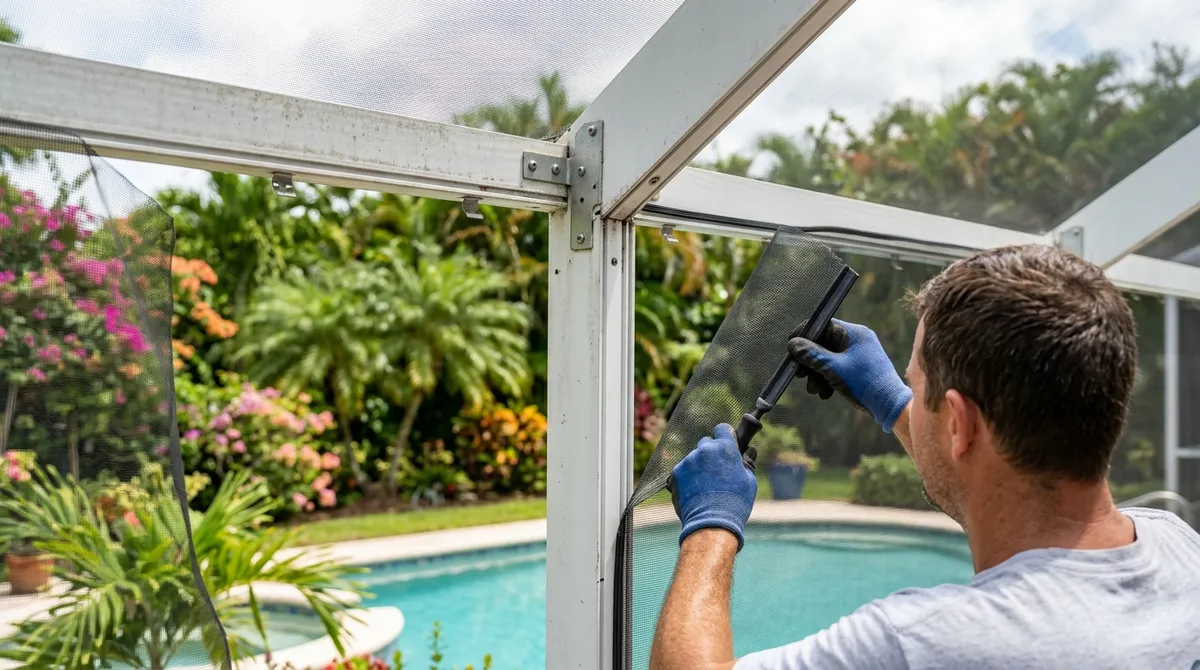
Screens are held in place by a rubber or vinyl spline that runs along a groove in the frame. A professional uses a spline roller tool to ensure the screen is pulled tight, even, and wrinkle-free. Getting this right requires skill — too tight and the screen can bow the frame, too loose and it sags.
4. DIY Has a Steep Learning Curve
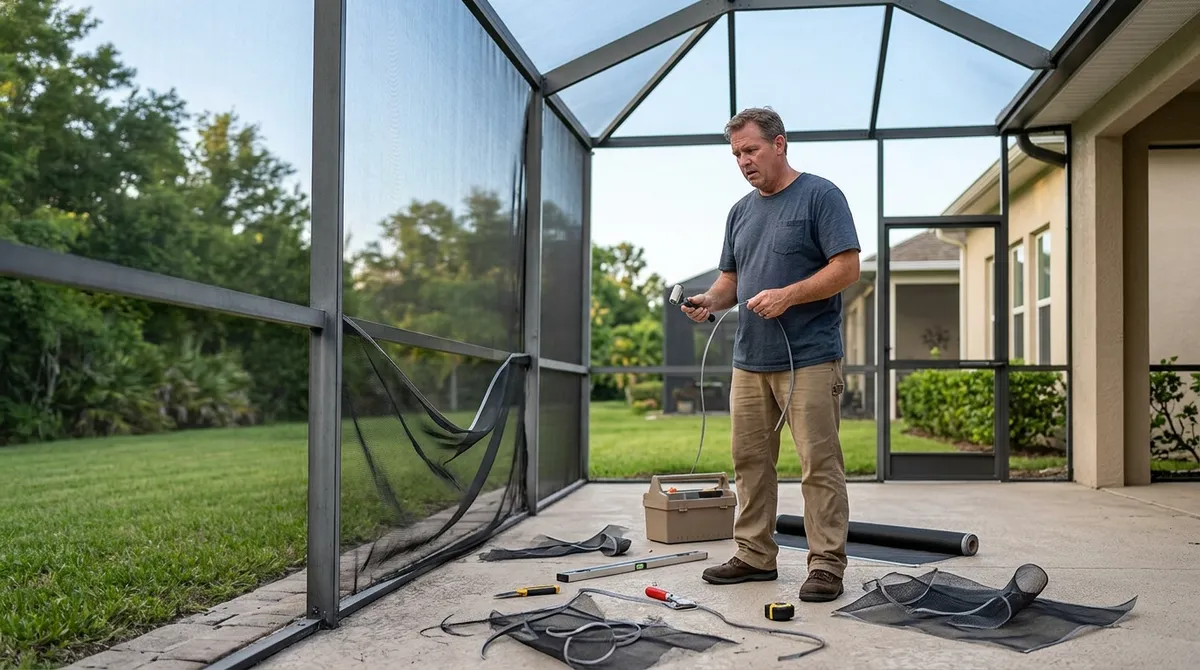
We totally get the DIY spirit. But lanai screen replacement is one of those jobs that looks simpler than it really is. Getting the tension right across a large screen panel is tricky. One mistake can cause the whole section to look uneven or wear out faster.
Here’s a quick comparison of DIY vs. professional rescreening:
-
DIY: Lower upfront cost, but risk of improper tension, frame damage, or poor fit
-
Professional: Expert installation, right tools, proper tension, and peace of mind
-
DIY: Good for small single-panel repairs with some experience
-
Professional: Best for full enclosures, multiple panels, or structural repairs
For large projects or homes with complex enclosures, hiring a licensed general contracting team is almost always the smarter choice. You’ll get a better result and avoid costly mistakes.
5. It’s Often Part of a Bigger Project
Sometimes lanai screen replacement is just the starting point. Once homeowners get a contractor out to look at the screens, they often discover other issues — like cracked concrete around the patio, damaged framing, or an enclosure that needs structural repairs.
A skilled general contractor can handle all of this in one visit. That’s the beauty of working with a full-service team. For example, outdoor patios and pavers can be repaired or upgraded at the same time as your rescreening project. It saves time, money, and the hassle of scheduling multiple contractors.
At Quality Custom Contracting, we treat every project — big or small — with the same attention to detail. You can visit us on Google to read what our customers say about our work across Tampa Bay.
6. Permits and Licensing Matter in Florida
Florida has strict building codes, especially when it comes to screen enclosures and structural work. If your project involves any structural changes — like adding height, replacing framing, or building a new enclosure — permits may be required.
Always work with a licensed and insured contractor. Here’s what to look for when hiring:
-
Valid Florida contractor’s license
-
Proof of general liability and workers’ comp insurance
-
Experience with screen enclosures and lanai work specifically
-
Clear written estimate with no hidden fees
-
References or reviews from local homeowners
You can see more about how we operate and what sets us apart on our about us page. We’ve been building trust with Tampa Bay homeowners for over 25 years.
7. Upgrades Are Worth Considering
Since the screens are already coming down, it’s the perfect time to think about upgrades. Many homeowners use this opportunity to enhance their lanai’s function and style. Here are some popular upgrades to consider during a lanai screen replacement project:
-
Solar screens – Block UV rays and reduce heat inside the enclosure
-
Pet doors – Add a convenient screen door just for your furry friends
-
Privacy panels – Great for homes close to neighbors
-
Taller enclosure height – Some enclosures can go up to 10 feet for a more open feel
-
New screen doors – Upgrade to self-closing or heavy-duty doors
-
Baked-on enamel frame finishes – Durable, attractive, and low maintenance
Talking through these options with your contractor before the project starts ensures you get exactly what you want without needing a second visit. Take a look at our pool enclosures service page for more ideas on what’s possible for your outdoor space.
8. Rescreening Adds Real Value to Your Home
A well-maintained lanai is a major selling point in the Tampa Bay real estate market. Buyers love move-in-ready outdoor spaces, and a fresh rescreening signals that the home has been cared for. It’s one of those improvements that pays off both while you live there and when it’s time to sell.
Beyond resale value, think about your day-to-day enjoyment. A lanai with damaged screens is practically unusable in the evenings when mosquitoes come out in full force. Replacing the screens restores your outdoor living space and makes it functional again — that’s a win no matter how you look at it.
Follow us on our Facebook page and our Instagram page to see before-and-after photos from recent projects across Hillsborough, Pinellas, Manatee, Sarasota, and Pasco counties.
9. Getting a Free Estimate Is the Smart First Step
You don’t have to figure all of this out on your own. The best way to start is by getting a professional eye on your lanai. A good contractor will walk through the space, identify what needs to be replaced or repaired, and give you a clear, upfront estimate — no surprises.
Here’s a simple checklist to prepare before your contractor visit:
-
Note all areas where screens are torn or damaged
-
Measure the overall enclosure size if possible
-
Think about any upgrades you’d like to add
-
Ask about frame condition and whether any repairs are needed
-
Confirm the contractor is licensed and insured
You can also browse our view our gallery to see examples of completed screen enclosure and outdoor living projects. And if you have questions before scheduling, our frequently asked questions page is a great resource.
Ready to Restore Your Lanai?
Your lanai should be a place you actually want to spend time in. Whether you need a quick rescreen or a full enclosure overhaul, the right contractor makes all the difference. Quality Custom Contracting brings over 25 years of experience, upfront estimates, and a commitment to doing the job right the first time — just like we’d want done on our own home.
Don’t wait until the mosquitoes find that hole. Take the first step today and request your free estimate from our team. We serve all of Tampa Bay and surrounding counties, and we’d love to help you get back to enjoying your outdoor space. You can also check out our reviews on Yelp to hear what your neighbors are saying about us.
FAQs
Q: How long does lanai screen replacement take?
A: Most lanai rescreening projects can be completed in a single day, depending on the size of the enclosure and whether any structural repairs are needed. Larger or more complex projects may take a bit longer, but a good contractor will give you a clear timeline upfront so there are no surprises!
Q: What is the best screen material for Florida lanais?
A: For Florida’s hot and stormy climate, charcoal fiberglass mesh and solar screens are fantastic choices — they’re durable, block UV rays, and hold up well against wind and rain. Your contractor can walk you through all the options based on your specific needs and budget.
Q: Can I replace just one section of my lanai screen instead of the whole thing?
A: Yes, partial rescreening is absolutely an option if only a few panels are damaged! That said, if the rest of the screens are aging or close to the end of their lifespan, a full replacement often makes more sense and saves you money in the long run.
Q: Do I need a permit for lanai screen replacement in Florida?
A: Simple screen-only replacements generally don’t require a permit, but if you’re making structural changes to the frame or building a brand new enclosure, permits are typically required in Florida. Always work with a licensed contractor who knows local building codes — they’ll handle the paperwork for you!
Q: How do I choose a reliable contractor for lanai screen replacement?
A: Look for a contractor who is licensed, insured, and has solid local reviews from homeowners in your area. A trustworthy team will always offer a clear written estimate, explain your options, and never pressure you into unnecessary upgrades — that’s exactly how we operate at Quality Custom Contracting!