Key Takeaways
-
Choose between DIY and professional painting based on project complexity, time availability, and desired quality level.
-
Proper surface preparation is crucial and accounts for 70% of a successful paint job's outcome.
-
Professional painters complete projects faster and with higher quality due to specialized equipment and extensive experience.
-
Consider material costs carefully – DIY painting can quickly become expensive when accounting for tools, paint, and supplies.
-
Eco-friendly, low-VOC paints are increasingly popular and improve indoor air quality for homes.
-
Physical limitations and safety risks make professional painting valuable for complex or high-reach projects.
-
Specialty paint finishes like antimicrobial or washable coatings can enhance functionality beyond standard paint applications.
Choosing between tackling an interior painting project yourself or hiring a professional contractor can feel overwhelming. Many Tampa Bay homeowners face this decision when they’re ready to refresh their living spaces. The answer isn’t always straightforward—it depends on your budget, timeline, skill level, and the scope of your project. In this guide, we’ll compare DIY interior painting with professional services to help you make the best choice for your home.
Interior painting is more than just rolling color onto walls. It involves proper surface preparation, selecting the right materials, understanding color theory, and executing techniques that ensure a lasting, beautiful finish. While DIY projects can save money upfront, professional contractors bring expertise, efficiency, and warranties that protect your investment. At Quality Custom Contracting, we’ve spent over 25 years helping homeowners in Riverview and surrounding areas achieve stunning interior transformations.
Whether you’re considering a single-room refresh or a whole-home makeover, understanding the trade-offs between DIY and professional painting will empower you to make a confident decision. Let’s explore both approaches in depth.
Understanding the True Cost of DIY Interior Painting
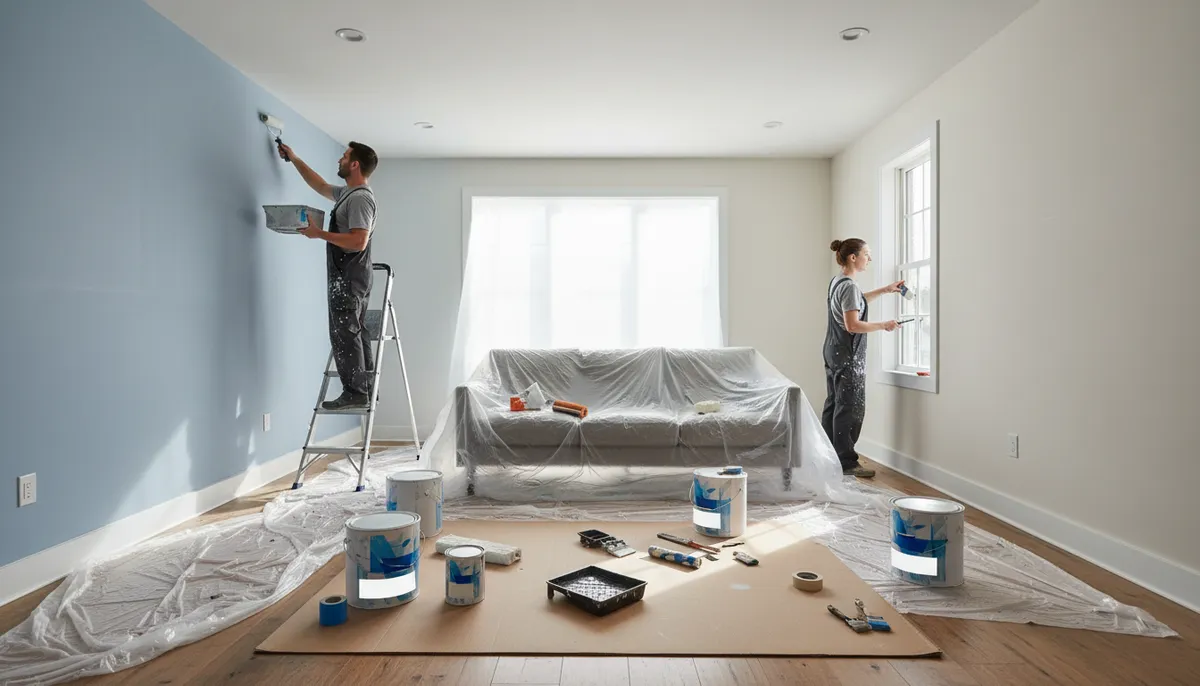
Many homeowners choose DIY interior painting because they believe it’s the most budget-friendly option. While you’ll save on labor costs, the actual expenses can add up quickly when you factor in materials, tools, and your time. A typical DIY project for a medium-sized room requires paint, primer, brushes, rollers, trays, painter’s tape, drop cloths, and potentially ladders or scaffolding.
The cost of quality paint alone ranges from $30 to $60 per gallon in 2026, and most rooms require two to three gallons depending on wall texture and color changes. Add in preparation materials like spackle, sandpaper, and cleaning supplies, and you’re looking at $200-$400 for a single room. If you don’t already own the necessary tools, expect to spend another $100-$200 on brushes, rollers, and safety equipment.
Beyond monetary costs, consider the value of your time. A DIY interior painting project for one room typically takes 15-25 hours when you include preparation, multiple coats, drying time, and cleanup. For homeowners with busy schedules, this can stretch across several weekends. If something goes wrong—like poor adhesion, drips, or uneven coverage—you’ll spend additional time and money correcting mistakes.
The Professional Interior Painting Advantage
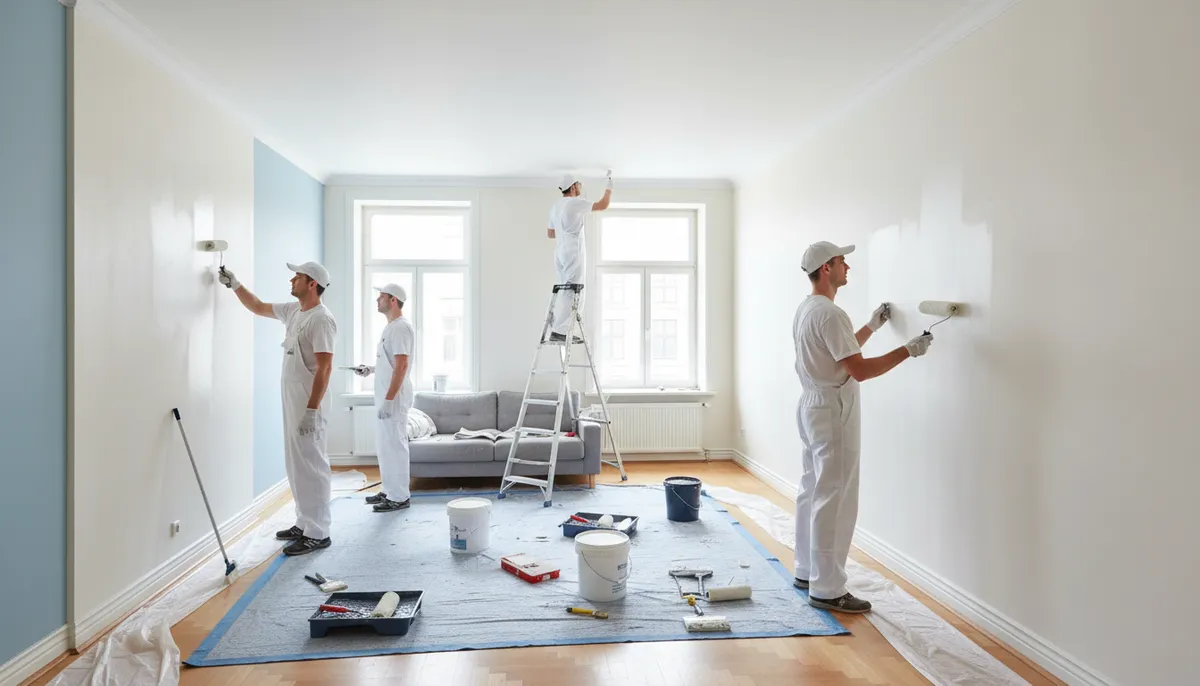
Professional contractors bring specialized knowledge and efficiency that DIY enthusiasts simply can’t match. When you work with established companies like Quality Custom Contracting, you’re not just paying for labor—you’re investing in expertise, proper equipment, insurance coverage, and guaranteed results. Professional painters complete projects faster and with superior quality because they’ve refined their techniques through thousands of hours of hands-on experience.
Professional interior painting services include comprehensive preparation work that many DIYers overlook. This involves repairing wall damage, addressing moisture issues, properly priming surfaces, and protecting floors and furniture. Experienced contractors know which products work best for different surfaces and conditions, ensuring your paint job lasts for years without peeling, cracking, or fading.
Another significant advantage is the warranty protection professionals provide. Reputable contractors stand behind their work with guarantees that cover application issues and workmanship defects. If problems arise, you have recourse. With DIY projects, you’re responsible for fixing any issues that develop, which can become costly if mistakes require professional intervention later.
Speed and Efficiency Comparison
Professional painting crews complete projects in a fraction of the time homeowners need. What takes you three weekends might take a professional team just two to three days. This efficiency comes from having multiple team members, professional-grade equipment like airless sprayers, and streamlined processes developed through experience. For families with children or busy work schedules, minimizing disruption is often worth the additional investment.
Key Factors to Consider Before Deciding
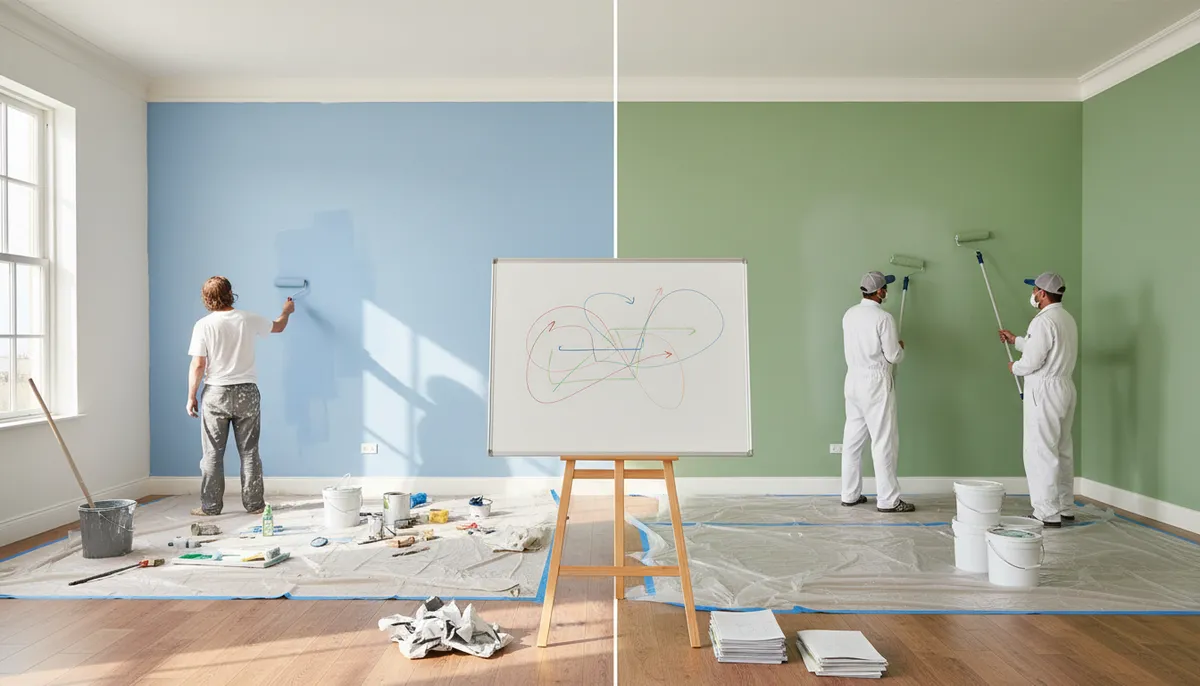
Several important factors should influence your decision between DIY and professional interior painting. Consider these elements carefully before committing to either approach:
- Project Complexity: Simple, single-room projects with few obstacles suit DIY efforts. Complex projects involving high ceilings, intricate trim work, or multiple color schemes benefit from professional expertise.
- Surface Conditions: Walls requiring extensive repairs, dealing with water damage, or needing special primers demand professional assessment and treatment.
- Time Constraints: If you need the project completed quickly for a special event or before moving in, professional painters deliver faster results.
- Physical Capability: Painting requires climbing ladders, extended reaching, and repetitive motions. Physical limitations or health concerns might make professional services necessary.
- Quality Expectations: If you’re preparing your home for sale or want showroom-quality results, professional execution ensures the finish meets high standards.
Common Interior Painting Challenges
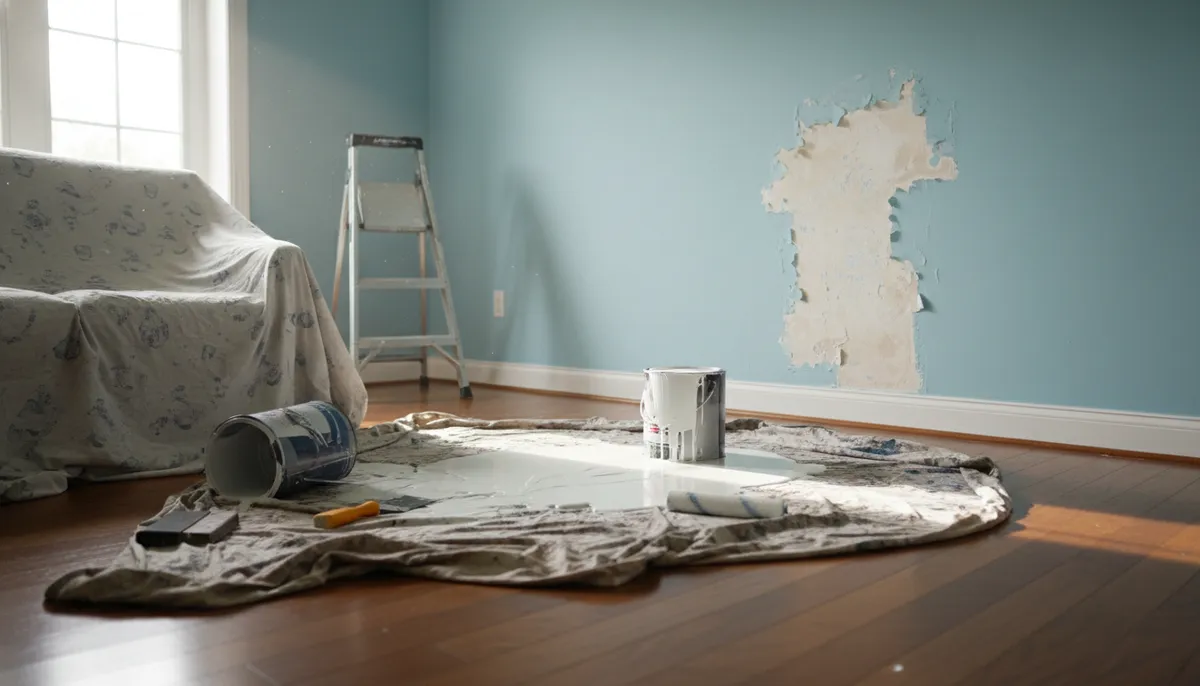
Both DIY and professional painters face similar challenges, but experienced contractors handle these obstacles more effectively. Understanding common issues helps you appreciate the value professionals bring to interior painting projects.
- Color matching and consistency across different lighting conditions
- Achieving smooth coverage over textured walls or ceilings
- Preventing paint bleed through painter’s tape on edges and trim
- Managing proper ventilation and drying times in humid climates like Tampa Bay
- Selecting appropriate paint sheens for different rooms and purposes
- Addressing existing wall imperfections that become visible after painting
Professional painters have developed techniques and invested in tools that overcome these challenges efficiently. For example, experienced contractors understand how Florida’s humidity affects drying times and adjust their application methods accordingly. They also know how to identify and address underlying issues like mold or water damage that could compromise your paint job’s longevity.
Material Quality and Product Selection
The paint and materials you choose dramatically impact your project’s outcome and durability. In 2026, eco-friendly paints with low VOC (Volatile Organic Compounds) content have become increasingly popular among environmentally conscious homeowners. These products improve indoor air quality and reduce harmful emissions, making them ideal for homes with children or family members with respiratory sensitivities.
Professional contractors have access to premium paint lines and contractor-grade products not typically available at retail stores. These professional products often offer better coverage, durability, and color retention than consumer-grade alternatives. When you work with general contracting companies like Quality Custom Contracting, you benefit from their established relationships with suppliers and their knowledge of which products perform best in West Central Florida’s climate.
| Paint Type | Best Uses | Average Cost per Gallon | Durability Rating |
|---|---|---|---|
| Flat/Matte | Low-traffic areas, ceilings | $30-$45 | Moderate |
| Eggshell | Living rooms, bedrooms | $35-$50 | Good |
| Satin | Hallways, family rooms | $40-$55 | Very Good |
| Semi-Gloss | Kitchens, bathrooms, trim | $45-$60 | Excellent |
Specialty Coatings and Finishes
Beyond standard interior paint, several specialty coatings enhance functionality and aesthetics. Antimicrobial paints prevent mold and bacteria growth in bathrooms and kitchens. Washable paints withstand frequent cleaning in high-traffic areas. Textured finishes can hide wall imperfections or create visual interest. Professional painters stay current with these innovations and can recommend solutions tailored to your specific needs.
Preparation: The Foundation of Quality Results
Proper preparation accounts for approximately 70% of a successful interior painting project. This critical phase separates amateur results from professional finishes. Whether you choose DIY or professional services, thorough preparation determines how your paint looks and how long it lasts.
- Surface Cleaning: Remove dirt, grease, and cobwebs using appropriate cleaners. Kitchen walls often require degreasing solutions.
- Damage Repair: Fill nail holes, cracks, and dents with spackle or joint compound. Sand smooth after drying.
- Primer Application: Apply primer to bare surfaces, repairs, or when making dramatic color changes. Quality primer improves adhesion and coverage.
- Protection Setup: Cover floors with drop cloths, tape off trim and fixtures, and remove or cover furniture.
- Sanding: Lightly sand previously painted surfaces to create texture for new paint to grip.
DIY painters often underestimate the time required for proper preparation. Rushing this phase leads to poor results no matter how carefully you apply paint. Professional contractors allocate sufficient time for preparation because they understand its importance. Companies like Quality Custom Contracting have refined their preparation processes to ensure every surface is ready for optimal paint adhesion.
The Hidden Costs of DIY Mistakes
While DIY interior painting seems economical initially, mistakes can become expensive. Common errors include inadequate surface preparation, using incompatible products, applying paint in poor weather conditions, or creating uneven coverage. Correcting these problems often requires purchasing additional materials and investing more time—sometimes even calling professionals to fix issues you created.
- Paint drips and runs that dry before you notice them
- Uneven color from insufficient coats or poor technique
- Paint bleed under tape creating crooked lines
- Missed spots or thin coverage in corners and edges
- Wrong sheen selection making rooms look too dull or overly glossy
- Inadequate ventilation leading to extended drying times
Beyond aesthetic issues, DIY mistakes can cause functional problems. Using the wrong paint type in moisture-prone areas like bathrooms can lead to peeling and mold growth within months. Painting over existing water damage without addressing the source creates temporary cosmetic improvements that hide underlying structural concerns. Professional contractors identify and address these issues before they become major problems.
When DIY Makes Sense
Despite the advantages of professional services, DIY interior painting can be the right choice under certain circumstances. If you enjoy hands-on projects, have adequate time, and are willing to learn proper techniques, tackling a simple room yourself can be satisfying and cost-effective.
Ideal DIY scenarios include painting a small bedroom, refreshing a home office, or updating a guest room where perfection isn’t critical. These projects allow you to work at your own pace without the pressure of client expectations or tight deadlines. Many homeowners find the process therapeutic and take pride in personalizing their spaces with their own effort.
If you decide to go the DIY route, invest in quality materials and take time to research proper techniques. Watch educational videos, read manufacturer instructions carefully, and don’t skip preparation steps. Starting with less visible areas lets you practice before tackling prominent walls. Remember that you can always call professionals like Quality Custom Contracting if the project becomes overwhelming or you’re unsatisfied with your results.
Recommended DIY Projects
Some interior painting tasks are more forgiving for beginners than others. Consider starting with these projects if you want to test your DIY skills:
- Accent walls with bold colors in low-traffic rooms
- Interior doors and door frames
- Closet interiors where imperfections are less noticeable
- Furniture refresh projects using specialty paints
- Small powder rooms or laundry areas
Why Professional Painting Pays Off Long-Term
The value of professional interior painting extends far beyond the immediate results. When you invest in quality workmanship, you’re protecting your home’s value and avoiding costly repairs down the road. Professional painters use techniques and products that ensure your finish withstands daily wear, cleaning, and environmental factors specific to Florida’s climate.
Professional interior painting also saves you from the physical strain and safety risks associated with DIY projects. Climbing ladders, reaching overhead for extended periods, and inhaling paint fumes pose real health hazards. Licensed contractors carry insurance that protects you from liability if accidents occur during the project. This peace of mind alone makes professional services worthwhile for many homeowners.
When considering home remodeling services, interior painting often serves as a foundational element that ties together other improvements. Professional contractors coordinate paint selection with flooring, fixtures, and architectural details to create cohesive designs. This holistic approach ensures every element complements the others rather than competing for attention.
| Consideration | DIY Approach | Professional Service |
|---|---|---|
| Labor Cost | Your time only | $2-$6 per square foot |
| Project Timeline | 2-4 weeks (part-time) | 2-5 days (full-time) |
| Quality Guarantee | None | Warranty included |
| Material Access | Retail products | Professional-grade options |
| Expertise Level | Learning curve | 25+ years experience |
The Quality Custom Contracting Difference
At Quality Custom Contracting, we’ve been transforming homes across Hillsborough, Pinellas, Manatee, Sarasota, and Pasco counties for over 25 years. Our approach to interior painting combines technical expertise with clear communication and upfront pricing. We treat every project as if we’re working on our own home because we understand how important your living space is to your family’s comfort and happiness.
Our our process begins with a thorough consultation where we discuss your vision, assess your space, and provide honest recommendations. We believe in education-based selling, which means we explain your options clearly so you can make informed decisions. Whether you’re updating a single room or completing a whole-home transformation, we deliver consistent quality and attention to detail.
Led by licensed contractor Brian Tuck, our team brings precision and professionalism to every interior painting project. We use top-tier finishes, eco-friendly products when requested, and proven techniques that ensure lasting beauty. From surface preparation through final cleanup, we maintain meticulous standards that reflect our commitment to excellence. You can see examples of our work in view our gallery to understand the quality we deliver.
Making the Right Choice for Your Home
The decision between DIY and professional interior painting ultimately depends on your unique circumstances. Consider your budget realistically—not just material costs but the value of your time and potential mistake corrections. Evaluate your skill level honestly and think about whether you’ll enjoy the process or find it stressful.
- Calculate total costs including materials, tools, and time value
- Assess your physical ability to safely complete the work
- Consider your deadline and how quickly you need results
- Evaluate the room’s importance and your quality expectations
- Think about whether you’ll use these skills again in the future
- Research local professional options and get multiple estimates
Remember that interior painting is an investment in your home’s appearance, value, and your quality of life. The right choice balances your financial constraints with your desire for quality results. Many homeowners find that hiring professionals for major projects while tackling small DIY updates provides the perfect compromise. This approach lets you enjoy hands-on projects without overwhelming yourself with tasks beyond your skill level.
Current Trends in Interior Painting
The interior painting industry continues evolving with innovative products and techniques. In 2026, several trends are shaping how homeowners approach color selection and application methods. Understanding these trends helps you make choices that keep your home current while reflecting your personal style.
Eco-friendly paints have moved from niche products to mainstream options. These low-VOC and zero-VOC formulations improve indoor air quality without sacrificing performance or color selection. Many Tampa Bay families prioritize these products to create healthier living environments, especially in bedrooms and nurseries where people spend extended time.
Digital color visualization tools allow homeowners to preview paint colors in their actual spaces before committing. Professional contractors now use apps and software that show how different colors look under various lighting conditions. This technology reduces costly color regrets and helps clients feel confident in their selections.
Popular Color Palettes
Current interior paint trends favor warm neutrals, nature-inspired hues, and sophisticated accent colors. Popular choices include:
- Warm whites and creams that create bright, inviting spaces
- Soft sage greens connecting interiors with outdoor environments
- Rich terracotta and clay tones adding warmth and character
- Moody blues and deep charcoals creating dramatic statement walls
- Blush pinks and muted corals providing subtle color without overwhelming
Maintenance and Longevity Considerations
Proper maintenance extends the life of your interior paint job regardless of whether you complete it yourself or hire professionals. Understanding how to care for painted surfaces helps protect your investment and keeps your home looking fresh longer. High-traffic areas typically need repainting every three to five years, while low-use spaces can last seven to ten years with proper care.
Regular cleaning prevents dirt buildup that dulls paint finishes. Use gentle cleaners and soft cloths rather than abrasive materials that can damage paint surfaces. Address scuffs and marks promptly with touch-up paint kept from your original project. Maintaining consistent humidity levels prevents paint from cracking or peeling prematurely—an important consideration in Florida’s variable climate.
Professional paint jobs typically outlast DIY efforts because contractors use superior products and application techniques. The additional durability often justifies the higher upfront cost when you factor in how much longer you’ll enjoy pristine results. When you work with about us, you’re investing in quality that stands the test of time.
Questions to Ask Professional Painters
If you decide to hire a professional for your interior painting project, asking the right questions helps you select a contractor who meets your needs and expectations. Not all painting companies offer the same level of service, so thorough vetting protects you from disappointment.
- How long have you been in business and what’s your licensing status?
- Do you carry insurance including general liability and workers’ compensation?
- Can you provide references from recent interior painting projects?
- What’s included in your estimate and are there potential additional costs?
- How do you handle surface preparation and what’s your process?
- What brands and types of paint do you recommend for my project?
- What’s your timeline from start to finish including drying time?
- Do you offer warranties on workmanship and if so, what do they cover?
Reputable contractors welcome questions and provide detailed, transparent answers. Be cautious of companies that pressure you to decide immediately or offer prices significantly lower than competitors. Quality work costs fair rates—extreme discounts often indicate shortcuts that compromise results. You can learn more about what to expect from professional contractors on our Facebook page where we share project updates and client testimonials.
Conclusion: Choosing What’s Right for You
The choice between DIY interior painting and professional services isn’t about which option is universally better—it’s about what works best for your specific situation. DIY projects can save money and provide satisfaction when circumstances align with your capabilities. Professional services deliver superior results, save time, and offer peace of mind through warranties and expertise.
For most Tampa Bay homeowners, the complexity of modern interior painting projects favors professional contractors. The investment pays dividends through lasting quality, efficient completion, and stress-free project management. When you’re ready to transform your living spaces with beautiful, durable interior painting, Quality Custom Contracting stands ready to help. We’ve spent over a quarter-century perfecting our craft and building relationships with families across West Central Florida.
Whether you choose to tackle a small project yourself or partner with professionals for comprehensive interior painting, the goal remains the same: creating spaces that reflect your style and enhance your daily life. Don’t let indecision delay your home improvement dreams. Request your free estimate today and discover how professional interior painting can elevate your home’s beauty and value. Our team is ready to answer your questions and help you make the best decision for your unique needs.
Connect with us on Google to read reviews from satisfied homeowners throughout the Tampa Bay area who trusted Quality Custom Contracting with their interior painting projects. We look forward to helping you create the beautiful, welcoming home you deserve.
FAQs
Q: How much does professional interior painting cost compared to DIY in Tampa Bay?
A: Professional interior painting in Tampa Bay typically costs $2-$6 per square foot, which covers labor, materials, and preparation. DIY projects save labor costs but require $200-$400 in materials per room plus tool purchases. When factoring in your time value and potential mistake corrections, professional services often provide better long-term value, especially for larger projects or homes you plan to sell soon.
Q: What are the most popular eco-friendly interior paint options in 2026?
A: In 2026, low-VOC and zero-VOC paints have become the standard for eco-conscious homeowners. These formulations reduce harmful emissions and improve indoor air quality without sacrificing color selection or durability. Many manufacturers now offer extensive color palettes in eco-friendly lines, making it easy to find sustainable options that match your design vision while creating healthier living environments for your family.
Q: How long does a professional interior painting project take?
A: Professional contractors typically complete interior painting projects in two to five days depending on the home’s size and complexity. This includes surface preparation, primer application, multiple paint coats, and cleanup. In contrast, DIY projects often stretch across two to four weeks when working part-time on evenings and weekends. The faster timeline with professionals minimizes disruption to your daily routine.
Q: Should I repaint my entire home before selling or just touch up problem areas?
A: For homes going on the market, complete professional repainting typically offers the best return on investment. Fresh, neutral paint throughout creates a move-in-ready impression that appeals to buyers and can increase your home’s value by 1-3%. Spot touch-ups often look patchy and draw attention to imperfections. Professional contractors help you select colors that maximize appeal while ensuring consistent, high-quality finishes that photograph well for listings.
Q: What’s the best time of year for interior painting in Florida?
A: Interior painting can happen year-round in Florida, but fall and winter months often provide ideal conditions. Lower humidity speeds drying times and improves paint adhesion, while cooler temperatures make working conditions more comfortable. Summer’s high humidity can extend drying times between coats. Professional contractors adjust their techniques based on seasonal conditions to ensure optimal results regardless of when you schedule your project.