Key Takeaways
-
Patio screen enclosures protect against insects and weather while allowing natural light and breeze, creating a comfortable outdoor living space in Florida.
-
Choosing the right mesh material like polyester or aluminum ensures durability, UV resistance, and effective pest protection for your specific needs.
-
A professionally installed screen enclosure can lower energy costs by providing shade and natural ventilation, reducing air conditioning requirements.
-
Proper planning includes assessing space, setting a realistic budget, checking local building codes, and selecting a design that complements your home's architecture.
-
Regular maintenance like cleaning screens, trimming nearby vegetation, and inspecting for damage helps ensure long-term performance and prevents costly repairs.
Picture this: It’s a beautiful evening in Florida, and you’re ready to relax on your patio with a cool drink. But within minutes, mosquitoes start buzzing around, and you’re forced back inside. Sound familiar? A patio screen enclosure can transform your outdoor space into a comfortable, bug-free retreat where you can enjoy fresh air without the pests. These versatile structures have become incredibly popular across Tampa Bay, offering homeowners a simple solution to extend their living space while protecting against insects, debris, and harsh weather. Whether you’re looking to enhance your pool area, create an outdoor dining room, or simply want a peaceful spot to unwind, understanding how to select the right screen enclosure will help you make a smart investment that adds value and enjoyment to your home for years to come.

Understanding What Patio Screen Enclosures Really Are
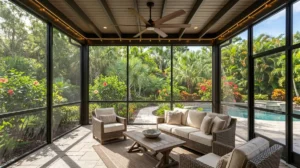
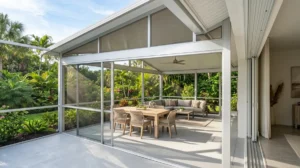
A patio screen enclosure is essentially a protective structure built around your outdoor patio area using durable mesh screens supported by aluminum or other sturdy framing. Think of it as creating an outdoor room that keeps the good things in and the bad things out. The screens allow natural light and fresh breezes to flow through while blocking insects, leaves, and other debris that can make outdoor living frustrating.
These enclosures come in various styles and sizes, from simple structures covering a small patio to elaborate designs that wrap around pools and outdoor kitchens. The screening material itself has evolved significantly. Modern patio screen enclosures use high-density polyester, fiberglass, or stainless steel mesh that resists tearing, UV damage, and can even withstand high winds. This makes them particularly valuable in Florida, where we deal with intense sun, afternoon storms, and our fair share of flying bugs.
What sets patio screen enclosures apart from sunrooms is their open-air design. You still get that outdoor feeling with breezes and ambient temperature, but without the annoyances. They’re also more affordable than fully enclosed sunrooms and typically don’t require the same level of heating and cooling considerations. For homeowners across Riverview and the surrounding areas, this makes them an accessible way to dramatically increase usable square footage.

The Real Benefits That Make Screen Enclosures Worth It
When you invest in a quality patio screen enclosure, you’re getting much more than just bug protection. Let’s break down the key advantages that make these structures so popular:
Protection From Pests and Insects
The number one reason homeowners choose screen enclosures is simple: no more mosquitoes, flies, gnats, or love bugs interrupting your outdoor time. In Florida, where insects can be active nearly year-round, this protection is invaluable. You can enjoy evening barbecues, morning coffee, or afternoon reading sessions without constantly swatting away pests or covering yourself in bug spray.
Enhanced Privacy Without Losing Your View
Screen enclosures create a semi-private space that feels secluded without completely blocking your view of the backyard. This is perfect if you have a pool, hot tub, or simply want to relax without feeling like you’re on display to neighbors. The screening provides just enough visual barrier to make the space feel like your own private retreat while still letting you see out to your landscaping and yard.
Weather Protection That Extends Your Season
While screen enclosures won’t stop a hurricane, they do provide excellent protection against everyday weather challenges. They block wind-blown debris, reduce the impact of light rain, and offer significant shade from intense Florida sun. This means you can use your patio even on days when the weather isn’t perfect. Your outdoor furniture also stays cleaner and lasts longer when protected from the elements.
Lower Energy Costs Through Smart Shading
Here’s a benefit many people don’t consider: a well-designed screen enclosure can actually reduce your cooling costs. By shading your patio and the adjacent walls of your home, the enclosure prevents direct sunlight from heating up those areas. This means your air conditioner doesn’t have to work as hard. The natural ventilation also promotes air circulation, which can make the space feel cooler than it actually is. For homeowners across Hillsborough and Pinellas counties, these energy savings add up over time.
Increased Property Value and Curb Appeal
A professionally installed screen enclosure adds usable square footage to your home and creates an attractive outdoor living area that appeals to potential buyers. Real estate experts agree that outdoor improvements like patios and screen enclosures offer strong returns on investment. They give your home a resort-like quality that stands out in the market.

Choosing the Right Mesh Material for Your Needs
Not all screen materials are created equal, and selecting the right mesh can make a huge difference in how your enclosure performs. Here are the main options you’ll encounter:
| Material | Best For | Key Benefits | Considerations |
|---|---|---|---|
| Fiberglass Mesh | General use, budget-conscious | Affordable, good visibility, flexible | Less durable than other options |
| Aluminum Mesh | High-traffic areas, pets | Very durable, resists tearing, long-lasting | Slightly reduced visibility |
| Polyester Mesh | Coastal areas, high winds | Excellent UV resistance, strong, flexible | Higher cost than fiberglass |
| Stainless Steel | Maximum durability, security | Nearly indestructible, premium look | Most expensive option |
For most Tampa Bay homeowners, polyester or aluminum mesh offers the best balance of durability and performance. These materials stand up well to our intense sun and occasional storms while providing clear views and excellent insect protection. If you have pets or expect heavy use, aluminum mesh is particularly smart because it resists scratches and punctures better than fiberglass.
The mesh density also matters. Tighter weaves block smaller insects like no-see-ums but may reduce airflow slightly. Standard mesh works perfectly for most situations, stopping mosquitoes and flies while allowing plenty of breeze. Your contractor can help you choose the right density based on your specific location and needs.

Step-by-Step Guide to Planning Your Screen Enclosure
Successfully adding a screen enclosure to your home requires careful planning. Follow these steps to ensure you end up with exactly what you want:
1. Assess Your Space and Goals
Start by thinking about how you’ll actually use the space. Will this be primarily for dining, relaxing, entertaining, or pool use? Do you need to accommodate outdoor furniture, a grill, or other features? Measure your existing patio and consider whether you want to enclose just that area or expand it. Think about sun exposure at different times of day and how that might affect your comfort.
2. Set a Realistic Budget
Screen enclosures vary widely in cost depending on size, materials, and features. While it’s tempting to focus only on price, remember that quality materials and professional installation pay off through durability and performance. Factor in not just the initial installation but also long-term maintenance and potential energy savings. At Quality Custom Contracting, we provide detailed free estimates that help you understand exactly what you’re getting for your investment.
3. Check Local Building Codes and HOA Rules
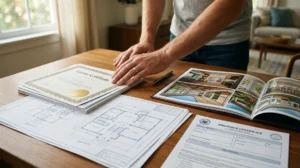
Before you get too far into planning, verify what’s allowed in your area. Most communities require permits for screen enclosures, and some homeowner associations have specific guidelines about height, style, or appearance. Your contractor should handle permit applications, but it’s smart to understand any restrictions early in the process. This prevents costly surprises or redesigns later.
4. Choose Your Design Style
Screen enclosures come in several basic styles, each with its own advantages:
- Gable roof: Features a peaked roof that sheds water efficiently and provides a traditional look
- Flat roof: Simple, cost-effective design that works well for smaller patios
- Cathedral roof: Creates a spacious, open feeling with elegant lines
- Custom designs: Can incorporate multiple roof styles, different heights, or unique architectural elements
Your home’s existing architecture should guide this choice. A design that complements your house will look more integrated and attractive. Consider how the roof pitch will affect water drainage and whether you want to add features like ceiling fans or lighting.
5. Select Quality Materials and Features
Beyond the screening itself, you’ll choose aluminum framing colors, door styles, and optional features. Popular additions include:
- Sliding or swinging screen doors for easy access
- Integrated gutters for better water management
- Electrical outlets and lighting fixtures
- Ceiling fans for increased air circulation
- Retractable or removable screen panels for flexibility
Each feature adds convenience and functionality, but also affects the overall cost. Prioritize the elements that will make the biggest difference in how you use the space daily.
6. Find an Experienced, Licensed Contractor
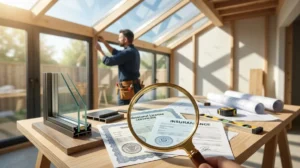
This step is absolutely critical. A properly installed screen enclosure will last decades, while poor workmanship can lead to problems like sagging screens, water intrusion, or structural issues. Look for contractors with specific experience in screen enclosures, not just general construction. Verify licensing, insurance, and references. Our process at Quality Custom Contracting emphasizes clear communication and precise construction with no shortcuts, ensuring your enclosure is built to last.
What to Expect During Installation
Understanding the installation process helps you prepare and know what’s normal. Here’s a typical timeline for a standard patio screen enclosure:
- Site preparation (1-2 days): The crew clears the area, marks layout lines, and prepares the foundation points
- Frame installation (2-3 days): Aluminum posts and beams are installed, creating the structure skeleton
- Roof attachment (1-2 days): The roof structure is secured and waterproofed
- Screen installation (1-2 days): Mesh panels are carefully stretched and secured in the frame
- Finishing touches (1 day): Doors, trim, and any electrical features are completed
Most screen enclosures take about one week to complete, though larger or more complex projects may require additional time. Weather can also affect scheduling, particularly during Florida’s rainy season. A professional contractor will keep you informed throughout the process and ensure the work area is kept clean and safe.
Maintaining Your Screen Enclosure for Long-Term Performance
One of the great things about screen enclosures is that they require minimal maintenance. Following these simple practices will keep your enclosure looking great and functioning properly:
Regular Cleaning
Clean your screens every few months using a soft brush and mild soap mixed with water. Spray down the screens with a garden hose to remove loose dirt and debris, then gently scrub with the soapy solution. Rinse thoroughly and allow to air dry. Avoid pressure washers, which can damage the mesh or force water into areas where it shouldn’t go.
Inspect for Damage
Walk around your enclosure periodically and look for small tears, loose fasteners, or damaged framing. Catching minor issues early prevents them from becoming major problems. Small holes in screens can often be patched quickly and inexpensively if addressed right away.
Keep Vegetation Trimmed
Trees and shrubs growing too close to your enclosure can scratch screens or drop debris that accumulates. Maintain at least two feet of clearance between plants and the screening. After storms, check for and remove any branches or leaves that have collected on the roof or against screens.
Check Doors and Hardware
Screen doors get a lot of use, so occasionally check hinges, latches, and closers to ensure they’re working smoothly. Tighten any loose screws and lubricate moving parts with a silicone-based spray. This simple maintenance prevents doors from sagging or becoming difficult to operate.
Common Mistakes to Avoid When Adding a Screen Enclosure
Learning from others’ experiences can save you headaches. Here are mistakes to watch out for:
- Choosing the cheapest option: Low-cost enclosures often use inferior materials that fail quickly in Florida’s demanding climate
- Ignoring drainage: Proper water management prevents pooling and foundation issues
- Forgetting about access: Make sure door placement works for your traffic patterns and furniture arrangement
- Overlooking electrical needs: It’s much easier to add outlets and lighting during installation than afterward
- Not considering future plans: If you might add a pool enclosure or expand later, plan accordingly now
- Skipping the permit process: Unpermitted work can cause serious problems when selling your home
Working with an experienced contractor helps you avoid these pitfalls. With over 25 years of experience serving homeowners across Hillsborough, Pinellas, Manatee, Sarasota, and Pasco counties, Quality Custom Contracting has seen and solved just about every challenge that can arise with screen enclosure projects.
Making Your Screen Enclosure Work in Different Seasons
In Florida, we’re fortunate to enjoy outdoor living year-round, but each season brings different considerations:
Summer Strategies
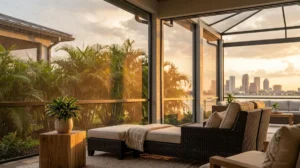
During hot months, maximize comfort by adding ceiling fans for air circulation. Keep the space shaded during peak afternoon sun by using outdoor curtains or shades on particularly hot sides. Position furniture to take advantage of natural breezes. The screen enclosure itself provides significant shade, but these extra touches make the space even more comfortable.
Winter Enjoyment
Florida winters are perfect for enclosed patio use. The screens block cool breezes while still allowing you to enjoy fresh air. Some homeowners add portable heaters for particularly chilly evenings. The enclosure creates a cozy, protected space that feels warmer than being fully exposed outdoors.
Rainy Season Considerations
Your screen enclosure won’t keep out heavy rain, but it does provide substantial protection from light showers and mist. Many homeowners find they can still use their enclosed patio during drizzly weather when an open patio would be unusable. Just bring in cushions and other items that shouldn’t get wet during storms.
How Screen Enclosures Fit Into Larger Home Improvement Projects
A screen enclosure often works best as part of a comprehensive outdoor living plan. Consider coordinating it with other improvements:
- Patio resurfacing or expansion: If your concrete is cracked or small, now is the perfect time to upgrade the foundation before enclosing it
- Outdoor kitchen additions: Enclosing your cooking area makes it usable regardless of bugs or light weather
- Pool deck integration: Many homeowners enclose both the patio and pool area for a unified outdoor room
- Landscaping updates: Frame your new enclosure with attractive plants and hardscaping for a complete transformation
At Quality Custom Contracting, we frequently help homeowners coordinate multiple projects for a cohesive result. Our experience with home remodeling services and concrete pouring services means we can handle your entire outdoor living transformation with one trusted team.
Real-World Examples: How Homeowners Use Their Screen Enclosures
Every family uses their enclosed patio differently. Here are some popular ways Tampa Bay homeowners maximize these spaces:
- Outdoor dining rooms: Families set up full dining tables and chairs, creating a bug-free space for meals any time of day
- Exercise and yoga areas: The combination of fresh air, natural light, and privacy makes enclosed patios perfect for home workouts
- Home offices: Remote workers love the inspiring outdoor environment without the distractions of insects or weather
- Children’s play spaces: Kids can play safely in an enclosed area that’s protected but still feels like being outside
- Pet lounging areas: Cats and dogs enjoy the fresh air and entertainment of watching the backyard from a safe, contained space
The versatility of screen enclosures means they adapt to your lifestyle and can serve different purposes as your needs change over time.
Start Your Screen Enclosure Project the Right Way
Adding a patio screen enclosure to your home is an investment that pays dividends in comfort, usability, and property value for years to come. By understanding your options, planning carefully, and working with experienced professionals, you’ll create an outdoor living space that becomes one of your favorite areas of your home. The key is focusing on quality materials, proper installation, and a design that truly fits how you live.
Quality Custom Contracting has been helping homeowners across the Tampa Bay area bring their outdoor living dreams to life for more than 25 years. As a family-owned and operated business, we treat every project as if we were building our own home. Our licensed contractors provide clear communication, upfront estimates, and precision construction with no shortcuts. Whether you’re ready to start planning your screen enclosure or just want to explore your options, we’re here to help. Request your free estimate today and discover how a professionally installed screen enclosure can transform your outdoor living experience. You can also follow us on Instagram to see examples of our recent projects and get inspiration for your own space. Check out what our satisfied customers have to say about working with us by visiting our Google Business Profile and reading their reviews.
FAQs
Q: How long do patio screen enclosures typically last?
A: A well-built patio screen enclosure with quality materials can last 15-25 years or more with proper maintenance. The aluminum framing is extremely durable, while the screening itself may need replacement every 10-15 years depending on weather exposure and use. Regular cleaning and prompt repairs of minor damage help maximize your enclosure’s lifespan.
Q: Can screen enclosures withstand Florida hurricanes and high winds?
A: Screen enclosures are designed to handle normal wind conditions but aren’t intended to survive direct hurricane hits. However, properly installed enclosures with reinforced framing can withstand winds up to 110 mph when built to Florida building codes. Many homeowners choose to remove or secure doors and loose panels before major storms to minimize potential damage.
Q: Do I need a permit to install a patio screen enclosure?
A: Yes, almost all municipalities in Florida require building permits for screen enclosure installation. This ensures the structure meets safety codes and is properly engineered for wind loads. Your contractor should handle the entire permit process, including inspections. Skipping permits can cause serious problems when selling your home or filing insurance claims.
Q: How much does it typically cost to add a screen enclosure?
A: The cost varies widely based on size, materials, and features, but most homeowners in Tampa Bay spend between $5,000-$15,000 for a standard patio enclosure. Larger or more elaborate designs with premium materials can cost more. The best approach is to get detailed estimates from licensed contractors who can assess your specific situation. We provide free estimates that break down all costs clearly so you know exactly what to expect.
Q: Can I add a screen enclosure to an existing concrete patio?
A: Absolutely! Most screen enclosures are built over existing patios, which actually saves money by eliminating the need for new foundation work. Your contractor will assess the patio’s condition to ensure it’s structurally sound and properly graded for drainage. If needed, minor repairs or resurfacing can be done before installing the enclosure frame.