Key Takeaways
-
Screened patios provide comprehensive insect protection, blocking up to 90% of bugs while maintaining excellent airflow and natural light.
-
Adding a screened patio effectively extends your home's living space, increasing usable square footage without expensive room additions.
-
Florida homeowners can enjoy year-round outdoor living with screened patios that protect against rain, heat, and UV rays.
-
Professional installation is crucial, requiring adherence to local building codes, wind load specifications, and proper foundation requirements.
-
Screen material selection is critical, with options like aluminum, fiberglass, and pet-resistant screens offering different durability and visibility levels.
-
Screened patios can significantly increase property value, making them a smart investment in Florida's real estate market.
-
The average cost ranges from $1,680 to $2,490 for screening an existing porch, with new structures averaging around $14,400.
-
Strategic design considerations like roof style, access points, and integrated features can maximize the functionality of your screened patio.
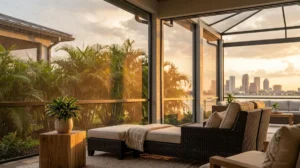
Imagine enjoying your morning coffee outdoors without swatting away mosquitoes or watching leaves pile up on your furniture. That’s the beauty of screened patios—they create a protected outdoor living space that lets you experience Florida’s gorgeous weather while keeping the less desirable elements at bay. For homeowners across Hillsborough, Pinellas, and the surrounding Tampa Bay counties, screened patios have become an essential addition that extends living space and enhances property value.
A screened patio is more than just an outdoor area with screens around it. It’s a thoughtfully constructed extension of your home that requires proper planning, professional installation, and adherence to local building codes. In this comprehensive guide, we’ll explore everything you need to know about screened patios—from their construction and benefits to maintenance and design considerations. Whether you’re dreaming of a cozy breakfast nook or an expansive entertainment area, understanding screened patios will help you make informed decisions for your home improvement project.
At Quality Custom Contracting, we’ve spent more than 25 years transforming outdoor spaces throughout West Central Florida. Our team understands the unique challenges and opportunities that come with building screened patios in our subtropical climate, and we’re excited to share that knowledge with you.

Understanding What Screened Patios Actually Are
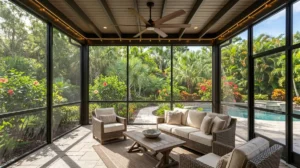
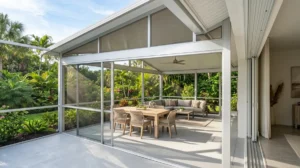
A screened patio is an outdoor living space enclosed with mesh screens, featuring a permanent roof structure, support posts, and screened walls that attach directly to your home. Unlike a simple deck or open patio, screened patios create a semi-enclosed environment that blocks insects, debris, and harsh sunlight while maintaining excellent airflow and natural light. These structures sit atop existing foundations or concrete slabs, creating a seamless transition between your indoor and outdoor spaces.
The key components of a screened patio include structural posts that support the roof system, a durable screening material stretched across frames, and a solid foundation that meets local building code requirements. Most screened patios in Florida feature aluminum or vinyl frames because these materials resist corrosion in our humid climate and require minimal maintenance over time.
What sets screened patios apart from other outdoor structures is their versatility. They provide protection without complete enclosure, making them perfect for year-round use in Florida’s warm climate. You’ll enjoy protection from afternoon rain showers while still feeling connected to your backyard environment. The screens filter out up to 90% of UV rays, creating a comfortable shaded area that stays significantly cooler than full sun exposure.

The Essential Difference Between Screened Patios and Similar Structures
Many homeowners get confused about the differences between screened patios, sunrooms, lanais, and screen enclosures. Understanding these distinctions helps you choose the right structure for your needs and budget. A screened patio typically refers to a covered outdoor space with screens on three sides, leaving the fourth side open or attached to your home. This differs from a full screen enclosure, which completely surrounds a pool or larger outdoor area.
Sunrooms, by contrast, are fully enclosed with glass windows and often include heating and cooling systems. They’re considered interior living space and require more extensive foundations and construction. Screened patios offer a middle ground—more protection than an open deck but less enclosure than a sunroom. This makes them more affordable to build and easier to permit in most residential areas.
The construction methods also differ significantly. Screened patios utilize screening material rather than glass, which reduces both weight and cost. They don’t require the same level of insulation or weatherproofing as sunrooms, though they must still meet wind load and structural requirements set by local building codes. In Florida, where hurricane preparedness is essential, professional contractors ensure screened patios meet wind load specifications to withstand severe weather.

Why Florida Homeowners Love Screened Patios
Florida’s climate creates the perfect environment for outdoor living, but it also brings challenges that screened patios elegantly solve. Here’s why thousands of homeowners across Tampa Bay have invested in these structures:
Top Benefits of Adding a Screened Patio
- Insect Protection: Florida’s mosquitoes, no-see-ums, and love bugs can make outdoor time miserable. Screened patios create a bug-free zone where you can relax without constantly applying repellent or swatting insects away.
- Extended Living Space: Adding a screened patio effectively increases your home’s usable square footage without the expense of a full room addition. This extra space works perfectly for dining areas, home offices, or entertainment zones.
- Year-Round Usability: Unlike open patios that become unusable during rain or extreme heat, screened patios provide shelter that allows you to enjoy your outdoor space in nearly any weather condition.
- Increased Property Value: Quality outdoor living spaces are highly desirable in Florida’s real estate market. A professionally built screened patio can offer excellent return on investment when it’s time to sell.
- UV Protection: The screening material blocks harmful ultraviolet rays while still allowing natural light to filter through, creating a comfortable environment that protects your skin and prevents furniture fading.
Beyond these practical benefits, screened patios also provide psychological advantages. They create a peaceful retreat where you can connect with nature without leaving the comfort and safety of your home. Many homeowners find their screened patios become their favorite spaces—perfect for morning meditation, evening relaxation, or quality time with family and friends.
How Screened Patios Enhance Your Lifestyle
The lifestyle improvements that come with a screened patio extend beyond simple comfort. These spaces become natural gathering spots that encourage outdoor time and strengthen family connections. You’ll find yourself eating more meals outside, entertaining friends more frequently, and simply spending more time enjoying your property. Children can play in a protected environment where parents can supervise easily, and pets can enjoy outdoor time without the risk of running off or encountering wildlife.
For remote workers, screened patios offer a refreshing alternative to indoor home offices. The natural light and fresh air boost productivity and mood without the distractions of being completely outdoors. Many homeowners set up comfortable workstations in their screened patios, creating an inspiring environment that makes working from home feel less confining.

Construction Requirements and Building Codes
Building a screened patio isn’t as simple as attaching some screens to posts and calling it done. These structures require careful planning, proper permitting, and adherence to local building codes. In Hillsborough, Pinellas, Manatee, Sarasota, and Pasco counties, building departments enforce specific requirements to ensure safety and structural integrity.
Essential Permit and Code Requirements
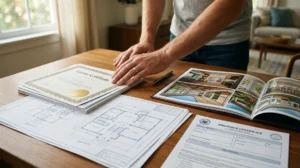
Before construction begins, you’ll need to obtain building permits from your local jurisdiction. The permitting process involves submitting detailed plans that show the structure’s dimensions, materials, foundation specifications, and how it will attach to your existing home. Building inspectors will review these plans to ensure compliance with setback requirements, which dictate how close structures can be built to property lines.
Foundation requirements vary based on soil conditions and the structure’s size, but most screened patios require footings that extend below the frost line and provide adequate support for the roof system. In Florida, wind load calculations are particularly important—your screened patio must be engineered to withstand hurricane-force winds. This typically means using reinforced concrete footings, hurricane-rated fasteners, and properly braced support posts.
Electrical work for lighting and ceiling fans must be performed by licensed electricians and inspected separately. Any structural connections to your home’s existing walls or roof require careful attention to waterproofing and load transfer. Working with experienced general contractors ensures all these requirements are met correctly the first time.
Choosing the Right Screen Material for Your Patio
The screening material you select dramatically impacts your patio’s durability, visibility, and maintenance requirements. Several options are available, each with distinct advantages and ideal use cases.
| Screen Type | Best For | Durability | Visibility |
|---|---|---|---|
| Fiberglass | Budget-conscious projects | Moderate (3-5 years) | Good |
| Aluminum | Standard residential use | High (10-15 years) | Excellent |
| Pet-Resistant | Homes with dogs or cats | Very High (15-20 years) | Good |
| Solar Screen | Maximum sun protection | High (10-12 years) | Moderate |
Fiberglass screens are the most economical option and work well for covered areas with minimal exposure to direct stress. However, they’re more susceptible to tears and may sag over time in Florida’s heat. Aluminum screens offer superior durability and maintain their tension better in high temperatures. They’re also more resistant to accidental damage from furniture, toys, or outdoor activities.
Pet-resistant screens use heavier-gauge materials that can withstand scratching and impact from animals. If you have dogs or cats who’ll spend time in your screened patio, this upgrade is worth the investment. Solar screens provide enhanced UV blocking and heat reduction but may slightly reduce visibility compared to standard mesh.
Understanding Screen Mesh Size and Color
Screen mesh is measured in terms of how many openings exist per square inch. Standard residential screens typically use 18×16 mesh, which provides good insect protection while maintaining visibility. Finer mesh options like 20×20 block smaller insects but reduce airflow slightly. The color of your screening also matters—charcoal or black screens provide better outward visibility and reduce glare, while lighter colors may be more noticeable but reflect more heat.
Cost Considerations for Screened Patio Projects
Understanding the financial investment required for a screened patio helps you plan your budget and make informed decisions about size, materials, and features. The national average cost to screen a 200-square-foot porch runs approximately $2,085, with typical pricing ranging from $1,680 to $2,490. However, building a completely new screened patio structure from the ground up averages around $14,400 for the same square footage.
Several factors influence the total project cost. The foundation requirements have a significant impact—if you’re building on an existing concrete slab or deck, costs will be lower than if you need to pour a new foundation. The roofing system you choose also affects pricing. Basic gable roofs cost less than hip roofs or more complex designs, but they may not provide as much weather protection or architectural interest.
Breaking Down Screened Patio Costs
- Foundation and concrete work: Preparing the site and pouring footings typically represents 20-30% of total project costs
- Structural framing: Posts, beams, and roof framing account for approximately 25-35% of expenses
- Roofing materials: The roof covering (shingles, metal, or polycarbonate panels) makes up 15-20% of costs
- Screening and frames: Materials and installation for the actual screens represent about 15-20% of the budget
- Finishing touches: Electrical work, ceiling fans, lighting, and decorative elements comprise the remaining 10-15%
Keep in mind that these percentages vary based on your specific project. A basic screened patio with minimal electrical work will differ significantly from an elaborate design with multiple ceiling fans, recessed lighting, and premium screening materials. At Quality Custom Contracting, we provide transparent, upfront estimates that detail all costs so you know exactly what to expect before work begins.
Maximizing Value in Your Screened Patio Investment
While budget matters, focusing solely on the lowest price often leads to disappointment. Quality materials and professional installation ensure your screened patio withstands Florida’s challenging weather conditions and provides decades of enjoyment. Consider the long-term value rather than just upfront costs. A properly built screened patio using quality materials requires less maintenance and fewer repairs, saving money over time.
Investing in features like ceiling fans, adequate lighting, and quality screening material enhances usability and enjoyment. These additions have relatively modest costs during initial construction but significantly improve your experience. Adding electrical outlets throughout the space provides flexibility for entertainment systems, decorative lighting, or charging devices. These thoughtful details transform a basic screened patio into a truly functional outdoor living room.
Design Options and Layout Considerations
Your screened patio’s design should complement your home’s architecture while meeting your functional needs. The layout, size, and style you choose will affect both construction costs and long-term satisfaction. Start by considering how you’ll use the space. Will it primarily serve as a dining area, a lounging space, or a multi-purpose room?
Common screened patio designs include attached structures that extend from your home’s back wall, wraparound patios that follow your home’s footprint around corners, and detached pavilion-style patios that stand independently in your yard. Attached designs are most popular because they provide easy access from your home and typically cost less to build. They also benefit from sharing one or more walls with your house, reducing material needs.
Popular Screened Patio Design Features
- Gable roofs: Traditional peaked roofs that provide excellent water runoff and complement most architectural styles
- Hip roofs: Roofs with slopes on all sides, offering superior wind resistance and a more finished appearance
- Shed roofs: Single-slope roofs that work well for narrow spaces or when adding to existing structures
- Vaulted ceilings: Higher ceiling heights that create an open, airy feeling and improve airflow
- Multiple access points: Screened doors on different walls that improve traffic flow and provide flexible entry options
- Built-in features: Integrated elements like outdoor kitchens, bars, or storage that maximize functionality
The relationship between your screened patio and existing outdoor patio areas matters too. Many homeowners combine screened and open spaces, creating zones for different activities and weather conditions. You might have a screened dining area that opens onto an uncovered patio with your grill and outdoor kitchen.
Sizing Your Screened Patio Appropriately
Determining the right size requires balancing your desires with practical constraints. Consider your property’s setback requirements, which limit how close you can build to property lines. Also factor in proportion—a screened patio should look balanced with your home’s size. A tiny patio on a large house looks odd, while an oversized structure can overwhelm a modest home.
As a general rule, plan for at least 100-150 square feet for a small, intimate space suitable for two to four people. Medium-sized patios of 200-300 square feet comfortably accommodate dining tables and seating groups for six to eight people. Larger patios exceeding 300 square feet can include multiple activity zones and entertain larger groups. Remember that Florida’s outdoor living season spans most of the year, so sizing generously often proves worthwhile.
Maintenance Requirements for Long-Lasting Screened Patios
Proper maintenance keeps your screened patio looking great and functioning well for decades. Fortunately, these structures require relatively minimal upkeep compared to other home features. Regular attention to a few key areas prevents small issues from becoming expensive problems.
Essential Maintenance Tasks
- Clean screens seasonally: Use a soft brush and mild soap solution to remove pollen, dust, and debris from screening material at least twice yearly
- Inspect for damage: Check screens for tears, holes, or loose sections monthly, especially after storms or high winds
- Clear gutters and drainage: Ensure water flows properly away from the structure to prevent standing water and foundation issues
- Check structural connections: Annually inspect where the patio attaches to your home, looking for gaps, cracks, or signs of water intrusion
- Maintain door hardware: Lubricate hinges and latches, adjust door closers, and ensure screens fit properly within frames
- Wash surfaces: Clean concrete floors, posts, and beams with appropriate cleaners to prevent mildew and maintain appearance
Screen repairs are straightforward when addressed promptly. Small tears can be patched with screen repair kits available at hardware stores. Larger damage typically requires replacing entire screen panels, which professional contractors can handle quickly. If you notice screens sagging or pulling away from frames, address this immediately—loose screens are more vulnerable to tearing and may indicate frame issues that need attention.
The structural components of your screened patio also need periodic care. If you have wood elements, inspect them annually for signs of rot, insect damage, or moisture problems. Aluminum and vinyl components require less maintenance but should still be cleaned and inspected. Exterior painting or sealing may be needed every few years to protect wood surfaces from Florida’s intense sun and humidity.
Combining Screened Patios with Other Outdoor Features
Screened patios work beautifully as part of a comprehensive outdoor living plan. Many homeowners integrate them with other features to create versatile, multi-functional outdoor spaces. The combination of screened and unscreened areas provides options for different weather conditions and activities.
Consider connecting your screened patio to an open custom paver design area where you can place your grill and outdoor cooking equipment. This arrangement keeps smoke and cooking heat outside the screened area while maintaining easy access for serving food. The paver patio can also include a fire pit or seating area for evenings when you want a completely open-air experience.
Complementary Outdoor Features
- Outdoor kitchens: Built-in grills, refrigerators, and prep areas that expand entertaining capabilities
- Fire pits or fireplaces: Create cozy gathering spots for cooler evenings while remaining protected from insects
- Ceiling fans: Improve air circulation and comfort during humid summer months
- Outdoor lighting: Extend usability into evening hours with ambient, task, and accent lighting
- Landscaping integration: Surround your screened patio with gardens and plantings that enhance privacy and beauty
- Water features: Fountains or small ponds add soothing sounds and visual interest visible from your screened space
If you have a pool, you might consider expanding your screened patio to include pool enclosures that connect seamlessly. This creates a cohesive outdoor environment where you can move easily between swimming, lounging, and dining areas. The screened sections keep insects away from wet swimmers and prevent leaves from falling into your pool.
Working with Professional Contractors for Your Screened Patio
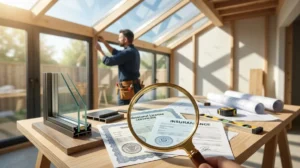
While some homeowners consider DIY approaches to save money, screened patios require professional expertise to ensure structural integrity, code compliance, and long-term performance. The permitting process alone can be complex, and mistakes during construction can lead to expensive corrections or even structural failure during severe weather.
Professional contractors bring essential experience in foundation work, structural framing, roofing installation, and weatherproofing. They understand local building codes and have established relationships with building departments, streamlining the permitting process. Quality contractors also carry proper licensing and insurance, protecting you from liability if accidents occur during construction.
When selecting a contractor for your screened patio project, look for established businesses with solid reputations in your community. Check reviews and ratings on Google to see what previous customers say about their work quality and professionalism. Ask to see examples of completed projects and request references you can contact directly.
Questions to Ask Potential Contractors
- How long have you been building screened patios in this area? Experience with local conditions and codes matters significantly
- Can you provide detailed written estimates? Transparent pricing helps you understand where your money goes and compare options fairly
- What warranties do you offer? Quality contractors stand behind their work with comprehensive warranties on materials and workmanship
- How do you handle permitting and inspections? Professional contractors should manage the entire permitting process as part of their service
- What is your typical project timeline? Understanding the schedule helps you plan accordingly and identifies unrealistic promises
At Quality Custom Contracting, we’ve built our reputation on clear communication, upfront estimates, and precision construction. Every screened patio project receives the same attention to detail we’d demand for our own homes. We handle everything from initial design consultation through final inspection, ensuring a smooth, stress-free experience. Our team coordinates all aspects of construction, including foundation work, framing, roofing, screening installation, and electrical work.
Preparing Your Property for Screened Patio Construction
Before construction begins, some preparation helps ensure the project proceeds smoothly and efficiently. Start by clarifying exactly where the screened patio will be located. Walk the area with your contractor to confirm placement, discuss how it will connect to your home, and identify any potential obstacles like utility lines, irrigation systems, or drainage concerns.
Clear the construction area of furniture, plants, decorations, and other items that might be damaged or interfere with work. If the project involves removing an existing deck or patio, discuss demolition and disposal as part of your contract. Ensure contractors have clear access to the work area and a designated space for storing materials and equipment.
Communicate with neighbors about the upcoming project, especially if construction will affect shared property lines or cause temporary noise and activity. Good relationships with neighbors make everyone’s life easier, and courtesy goes a long way. Some communities or homeowners associations require approval for outdoor structures, so verify any restrictions or approval processes before signing contracts.
What to Expect During Construction
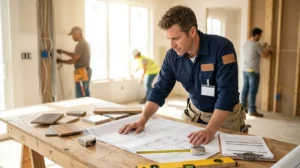
Understanding the construction process helps you know what’s normal and when to ask questions. Most screened patio projects follow this general sequence: site preparation and foundation work first, followed by post installation and structural framing. Next comes the roof system, then screening installation, and finally electrical work and finishing touches.
The timeline varies based on project size and complexity, but typical screened patios take two to four weeks from start to finish. Weather can affect schedules, particularly during foundation work when concrete needs adequate curing time. Your contractor should keep you informed about progress and any schedule changes. Don’t hesitate to ask questions or raise concerns—good contractors welcome client communication and prefer addressing issues immediately.
Conclusion
Screened patios represent one of the most valuable improvements you can make to your Florida home. They expand your living space, provide protection from insects and weather, and create a comfortable environment for enjoying the outdoors year-round. Whether you’re envisioning a cozy spot for morning coffee or an expansive entertainment area for family gatherings, a professionally built screened patio delivers lasting value and enjoyment.
The key to a successful project lies in careful planning, quality materials, and expert construction. Understanding building codes, selecting appropriate screening materials, and working with experienced contractors ensures your screened patio meets both your expectations and structural requirements. While the investment may seem significant initially, the enhanced lifestyle, increased property value, and decades of use make screened patios one of the smartest home improvements for West Central Florida living.
At Quality Custom Contracting, we’ve spent more than 25 years helping homeowners throughout Hillsborough, Pinellas, Manatee, Sarasota, and Pasco counties create beautiful, functional outdoor living spaces. Our family-owned business treats every project as if we were building for ourselves, ensuring the craftsmanship and attention to detail you deserve. We handle every aspect of your screened patio project with clear communication and transparent pricing, so you know exactly what to expect from start to finish.
Ready to transform your outdoor space with a professionally built screened patio? Request your free estimate today and let’s discuss how we can bring your vision to life. Our team will visit your property, listen to your ideas, assess your space, and provide a detailed proposal that outlines exactly what your project will include. Join the thousands of satisfied homeowners who’ve discovered the Quality Custom Contracting difference—where quality craftsmanship meets genuine care for every client. Connect with us on Facebook or Instagram to see our latest projects and get inspired for your own outdoor transformation.
FAQs
Q: Do I need a building permit to construct a screened patio in Florida?
A: Yes, building permits are required for screened patio construction throughout Florida. Your contractor must submit detailed plans showing dimensions, materials, and foundation specifications to your local building department. These permits ensure your structure meets safety codes, wind load requirements, and property setback regulations. Working with experienced contractors who handle the permitting process makes this much easier for homeowners.
Q: How long does a professionally built screened patio typically last?
A: A quality screened patio built with proper materials and techniques can last 20-30 years or more with regular maintenance. The structural components like posts, beams, and roofing typically outlast the screening material itself. Screens may need replacement every 10-15 years depending on the material quality and exposure to elements. Aluminum and vinyl frames resist corrosion exceptionally well in Florida’s climate, contributing to longevity.
Q: Can I use my screened patio during rain and storms?
A: Yes, screened patios provide excellent protection during light to moderate rain, allowing you to enjoy outdoor time even during Florida’s afternoon showers. The roof system keeps you dry while screens prevent rain from blowing in from the sides. However, during severe storms or hurricanes, it’s safest to move indoors. Quality construction with proper wind load engineering ensures your screened patio withstands typical weather conditions without damage.
Q: What’s the difference between rescreening an existing porch and building a new screened patio?
A: Rescreening involves replacing damaged or worn screening material on an existing structure, which costs significantly less—typically $1,680-$2,490 for 200 square feet. Building a completely new screened patio from scratch includes foundation work, structural framing, roofing, and screening installation, averaging around $14,400 for the same size. New construction offers more design flexibility but requires greater investment.
Q: Will a screened patio increase my home’s property value?
A: Yes, screened patios typically increase property value, especially in Florida where outdoor living spaces are highly desirable. They effectively expand your home’s usable square footage without the expense of traditional room additions. Quality outdoor features consistently rank among the most appealing amenities for homebuyers in our market. The exact value increase depends on the quality of construction, size, and how well it complements your home’s overall design.