Key Takeaways
-
Kitchen remodels in 2026 offer multifunctional spaces with open-concept designs, smart technology, and strategic layouts that enhance family interaction and daily living.
-
Home renovations now prioritize energy efficiency, with upgrades like heat pumps and improved insulation reducing utility costs by 20-40%.
-
Bathroom transformations have evolved into spa-inspired retreats with wellness features like rainfall showerheads, heated floors, and smart mirrors.
-
Homeowners are choosing to remodel instead of moving, gaining customization and avoiding relocation expenses while improving property value.
-
Outdoor living spaces and screen enclosures extend usable home square footage, providing year-round comfort in Florida's climate.
-
Modern remodels incorporate health-conscious design elements like low-VOC materials, natural light optimization, and biophilic design principles.
-
Home additions and accessory dwelling units (ADUs) offer flexible solutions for changing family needs, from multigenerational living to home offices.
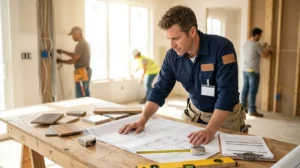
If you’ve been thinking about updating your living space, you’re not alone. Home remodels have become more popular than ever in 2026, with homeowners across Tampa Bay and beyond choosing to enhance their current properties rather than searching for new ones. But what truly makes these renovations worthwhile? Beyond the obvious aesthetic improvements, today’s home remodels offer remarkable returns through energy savings, increased property value, and improved quality of life. Whether you’re dreaming of a spa-inspired bathroom retreat, a kitchen that brings the family together, or adding square footage with a thoughtful addition, understanding what drives successful remodeling projects can help you make confident decisions. In this guide, we’ll explore everything from trending design concepts to practical considerations that ensure your investment pays off for years to come.
Understanding the Value of Modern Home Remodels
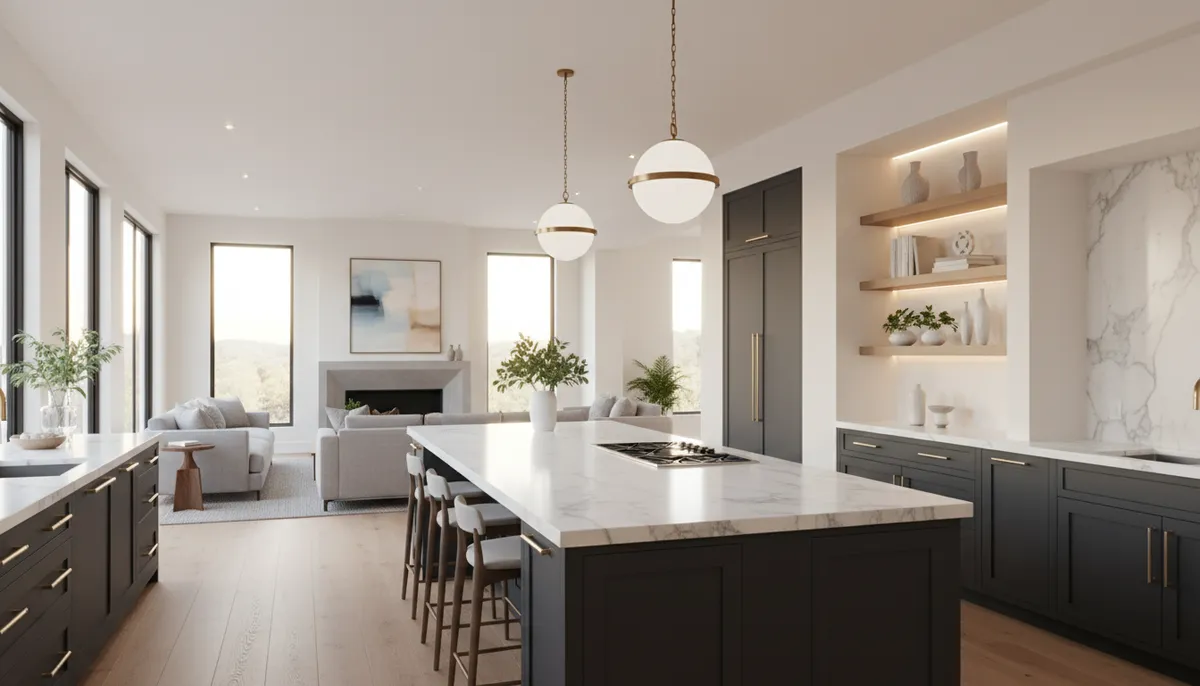
Today’s home remodels go far beyond simple cosmetic updates. They represent strategic investments that enhance your daily living experience while building long-term value. In 2026, homeowners are making smarter choices about where to invest their remodeling dollars, focusing on projects that deliver both immediate enjoyment and future returns.
The shift toward comprehensive renovations reflects changing priorities. Families want spaces that work harder for them—rooms that adapt to multiple needs throughout the day. A home office might transform into a guest room. A kitchen becomes the heart of entertainment. These multifunctional approaches maximize every square foot, especially important in established neighborhoods where expanding outward isn’t always possible.
Energy efficiency has moved from nice-to-have to essential in modern remodels. Nearly three-quarters of homeowners now consider financing options for projects that reduce monthly utility costs through upgraded windows, improved insulation, and smart climate control systems. These improvements pay dividends month after month, making them some of the most valuable upgrades you can make. For homeowners ready to take the next step, getting a free quote helps turn these ideas into actionable plans.
Top Reasons Homeowners Choose Remodeling in 2026
Understanding why people invest in home remodels helps clarify whether it’s the right choice for you. Here are the most compelling reasons driving renovation decisions this year:
Financial Advantages Over Moving
With current housing market conditions, remodeling often makes more financial sense than relocating. You avoid realtor commissions, moving expenses, and the stress of finding a new property in competitive markets. Instead, you’re investing in a home you already know and love, in a neighborhood where you’ve built connections.
Customization represents another significant advantage. When you renovate your existing home, you create exactly what you want rather than compromising on a different property. You choose finishes, layouts, and features that match your lifestyle perfectly. This level of personalization simply isn’t available when buying an existing home.
Creating Healthier Living Environments
Modern home remodeling services prioritize health and wellness in ways previous generations didn’t consider. Low-VOC materials reduce indoor air pollution. Improved ventilation systems bring fresh air throughout your home. Natural light optimization through strategic window placement supports better sleep patterns and mental health.
Biophilic design elements connect indoor spaces with nature. This approach includes incorporating natural materials like reclaimed wood and stone, creating sight lines to outdoor areas, and using earth-tone color palettes. These design choices reduce stress and create calming environments where families can truly relax.
Adapting to Lifestyle Changes
Life doesn’t stand still, and your home shouldn’t either. Whether you’re welcoming a new family member, creating space for aging parents, or finally building that home office you’ve been dreaming about, remodels adapt your living space to current needs. This flexibility proves invaluable as circumstances evolve over the years.
Kitchen Remodeling: The Heart of Home Transformation
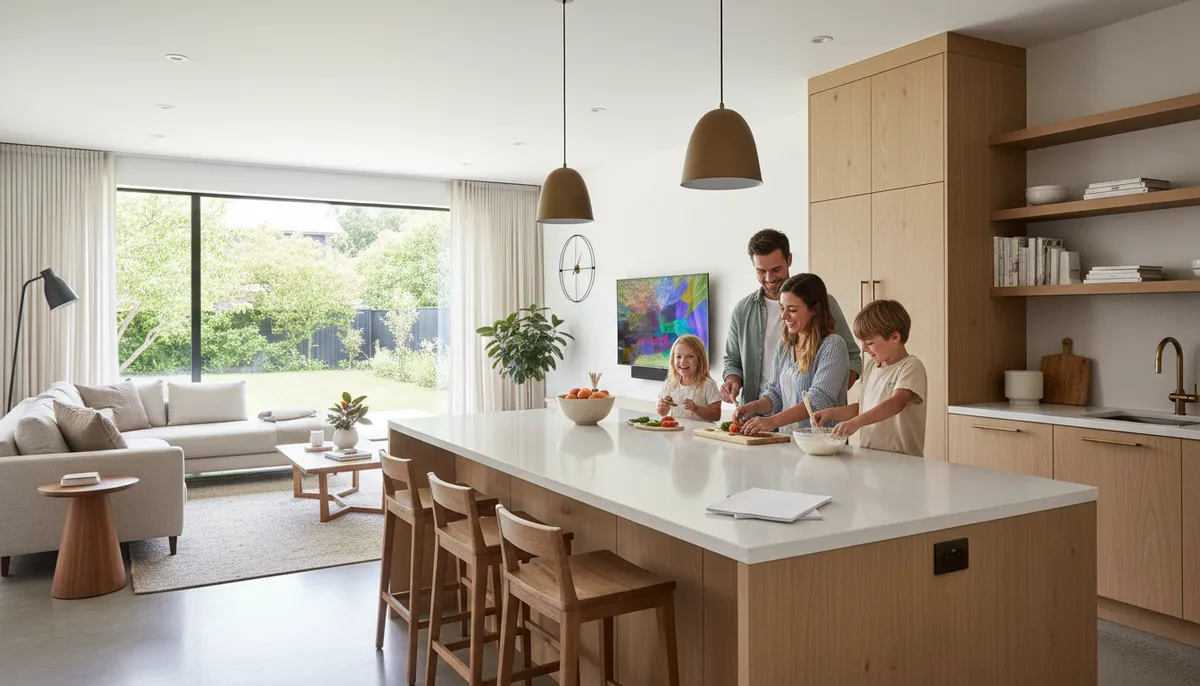
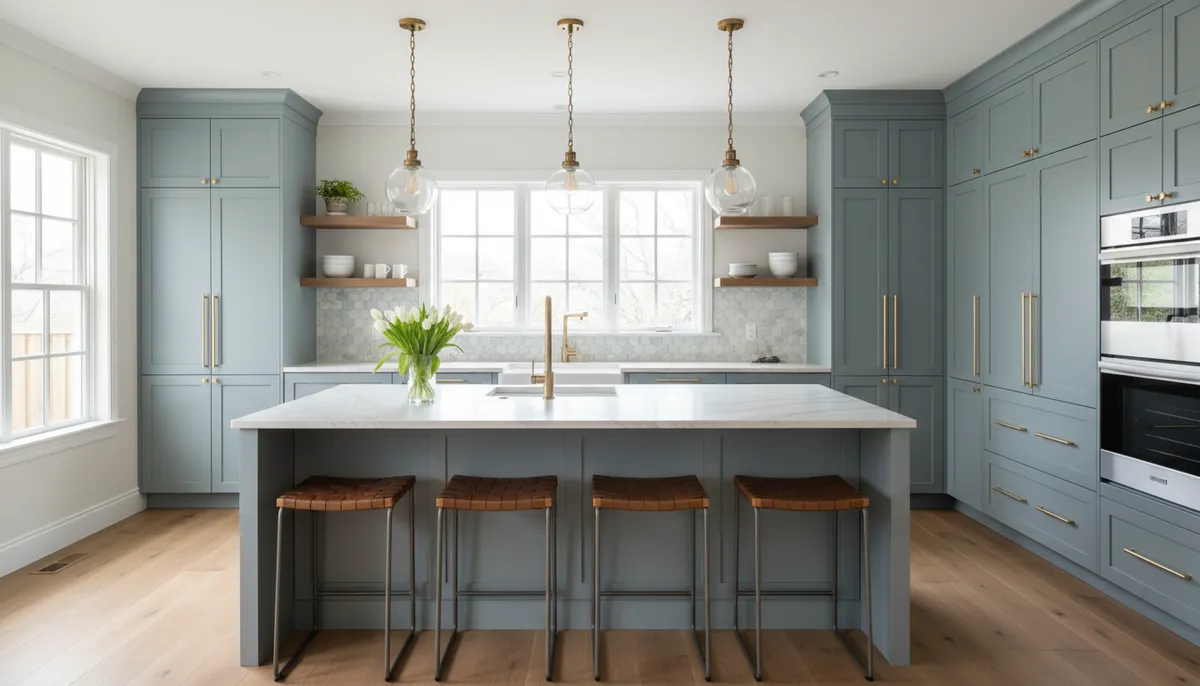
Kitchen renovations consistently rank among the most requested and rewarding home remodels. These spaces have evolved far beyond simple cooking areas into multifunctional hubs where families gather, children do homework, and friends naturally congregate during gatherings.
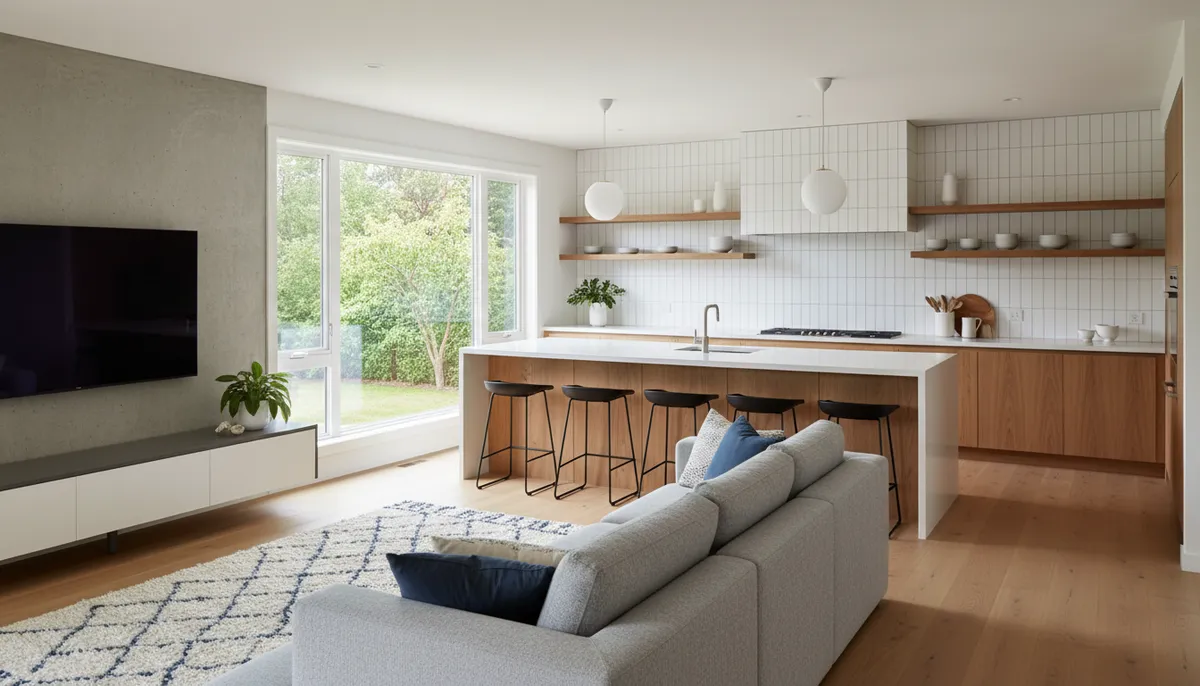
Open-concept designs continue dominating kitchen remodels in 2026, but with thoughtful refinement. Rather than completely removing all walls, strategic openings create visual connections while maintaining some definition between spaces. This approach preserves quiet zones for focused work or conversation while keeping the social aspects that make open kitchens so appealing.
Smart technology integration has become standard in modern kitchen remodels. Voice-activated faucets, app-controlled appliances, and AI-powered ventilation systems that adjust automatically based on cooking activities make daily routines easier. These innovations aren’t just convenient—they contribute to energy efficiency by optimizing resource use throughout the day.
Essential Kitchen Remodel Features for 2026
- Multi-level islands that accommodate both food preparation and casual dining, with dedicated zones for different activities
- Enhanced storage solutions including pull-out pantries, corner organizers, and appliance garages that maximize every inch
- Professional-grade appliances with energy-efficient ratings that reduce long-term operating costs
- Statement lighting that combines ambient, task, and accent layers for both functionality and atmosphere
- Durable natural materials like quartz countertops and hardwood or luxury vinyl flooring that stand up to daily use
The investment in kitchen remodeling typically returns 60-80% of its cost at resale, making it one of the smartest financial decisions you can make for your home. Beyond numbers, the daily enjoyment of a well-designed kitchen space adds immeasurable value to your quality of life.
Bathroom Transformations: Creating Personal Retreats
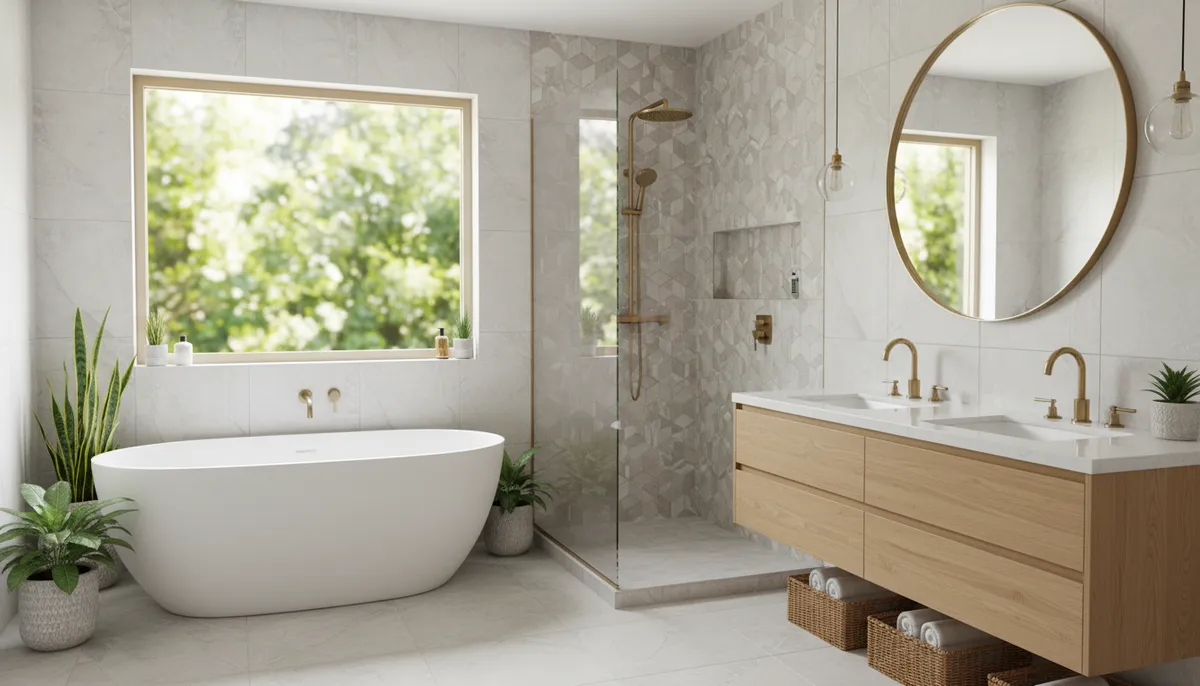
Bathroom remodels have shifted from purely functional upgrades to creating spa-inspired sanctuaries within your home. In 2026, homeowners view these spaces as personal retreats where they can decompress and recharge away from daily pressures.
Walk-in showers with multiple showerheads, heated floors, and sophisticated tile work have replaced standard tub-shower combinations in many renovations. These luxurious features aren’t just about aesthetics—they provide therapeutic benefits that support physical and mental wellness. Rainfall showerheads, body jets, and built-in benches transform ordinary morning routines into rejuvenating experiences.
Smart mirrors with integrated lighting, defogging capabilities, and even health monitoring features represent the convergence of technology and wellness. These innovations help homeowners maintain better self-care routines while adding modern sophistication to bathroom design.
Popular Bathroom Remodel Elements
- Freestanding soaking tubs positioned near windows for natural light and views
- Floating vanities that create visual spaciousness and simplified cleaning
- Heated towel racks that add comfort while preventing mildew
- Large-format tiles that minimize grout lines and create seamless appearances
- Natural stone accents that bring organic texture and timeless beauty
- Improved ventilation systems that prevent moisture damage and maintain air quality
Water efficiency remains a priority in bathroom remodels. Low-flow fixtures now deliver excellent pressure while reducing consumption by up to 30%. These sustainable choices lower utility bills and support environmental responsibility without sacrificing performance or luxury.
Home Additions: Expanding Your Living Space
When your current square footage no longer meets your needs, home additions offer the perfect solution. Rather than disrupting your life with a move, you expand your existing property to accommodate growing families, home offices, or multigenerational living arrangements.
Room additions typically fall into several categories, each serving specific needs. Master suite additions create private adult retreats away from children’s bedrooms. Family room expansions provide dedicated entertainment spaces. In-law suites offer independent living quarters for aging parents or adult children, complete with private bathrooms and kitchenettes.
The beauty of additions lies in seamless integration with your existing home. Experienced contractors match architectural styles, rooflines, and exterior finishes so additions look like original construction rather than obvious afterthoughts. This attention to detail preserves your home’s character while expanding its functionality.
Planning Successful Home Additions
- Assess your actual needs versus wants to ensure the addition serves long-term purposes
- Consider future resale value and whether the addition appeals to broader buyer pools
- Verify zoning requirements and setback restrictions in your neighborhood before finalizing plans
- Match architectural styles to maintain your home’s aesthetic coherence and market appeal
- Plan for utilities including HVAC extensions, electrical capacity, and plumbing access
- Think about flow between new and existing spaces to create logical traffic patterns
Accessory Dwelling Units (ADUs) have gained tremendous popularity as additions that serve multiple purposes. These separate living spaces can house guests, provide rental income, or offer private quarters for family members. Prefab and modular construction methods make ADUs faster and more affordable to build than traditional additions while maintaining quality and durability.
Energy-Efficient Upgrades That Pay for Themselves
Energy efficiency stands out as the most requested feature in home remodels for 2026. Homeowners recognize that upfront investments in efficient systems deliver ongoing savings that compound over years of ownership.
Heat pump technology has revolutionized home heating and cooling. These systems move heat rather than generating it, using significantly less energy than traditional furnaces and air conditioners. In Florida’s climate, heat pumps excel at both cooling homes during hot summers and providing efficient heating during occasional cold snaps.
Envelope improvements create the foundation for energy efficiency. Upgrading windows to double or triple-pane models with low-E coatings dramatically reduces heat transfer. New insulation in walls and attics keeps conditioned air inside where it belongs. High-quality doors with proper weather stripping eliminate drafts and temperature inconsistencies. Together, these envelope upgrades can reduce energy consumption by 20-40%.
Smart Home Integration for Efficiency
AI-powered smart home systems optimize energy use automatically. Learning thermostats adjust temperatures based on your schedule and preferences. Smart lighting dims or turns off in unoccupied rooms. Automated shades close during peak heat hours to reduce cooling demands. These systems work together, creating efficiency gains that individual upgrades can’t match.
The data from smart systems also helps homeowners understand consumption patterns and identify opportunities for additional savings. You might discover that adjusting thermostat settings by just two degrees saves hundreds annually, or that certain appliances use far more electricity than expected, suggesting replacement priorities for future upgrades.
| Upgrade Type | Average Cost Savings | Payback Period | Additional Benefits |
|---|---|---|---|
| Heat Pump Installation | $600-900/year | 7-10 years | Improved comfort, reduced carbon footprint |
| Window Replacement | $300-500/year | 10-15 years | Noise reduction, UV protection |
| Enhanced Insulation | $400-700/year | 3-5 years | Better temperature consistency |
| Smart Thermostat | $180-250/year | 2-3 years | Remote control, usage insights |
| LED Lighting Conversion | $100-200/year | 1-2 years | Longer bulb life, better light quality |
Outdoor Living Spaces: Extending Your Home
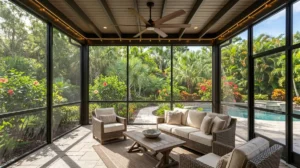
Florida’s climate makes outdoor living spaces natural extensions of interior rooms. Well-designed outdoor patios and entertainment areas provide year-round enjoyment while significantly increasing your home’s functional square footage.
Covered patios with ceiling fans create comfortable outdoor rooms even during summer heat. These spaces serve as alfresco dining areas, outdoor home theaters, or simply peaceful spots to enjoy morning coffee. Quality construction using durable materials ensures these spaces withstand Florida’s weather challenges including intense sun, heavy rain, and high humidity.
Custom paver designs offer unlimited creative possibilities for patios, walkways, and outdoor entertaining areas. Unlike poured concrete, pavers provide flexibility, allow for drainage, and can be easily repaired if individual pieces crack or settle. The variety of colors, patterns, and textures available lets you create unique outdoor spaces that complement your home’s architecture.
Screen Enclosures: Year-Round Outdoor Enjoyment
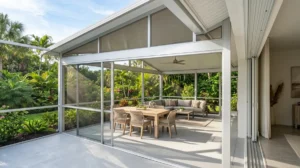
For many Florida homeowners, screen enclosures represent the perfect balance between indoor comfort and outdoor connection. These structures keep insects and debris out while allowing fresh air and natural light in. They extend usable outdoor space throughout the year, regardless of bugs or weather conditions.
Pool enclosures serve additional practical purposes beyond comfort. They reduce pool maintenance by keeping leaves and debris out of the water. They provide safety barriers for families with young children. They even reduce water evaporation and chemical consumption, lowering ongoing pool operating costs.
The Remodeling Process: What to Expect
Understanding the remodeling process helps set realistic expectations and ensures smoother project execution. While every renovation differs in scope and complexity, certain phases remain consistent across most home remodels.
The journey begins with detailed planning and design. This phase involves discussing your vision, establishing budgets, and creating architectural plans that address both aesthetics and functionality. Experienced contractors guide you through material selections, helping balance preferences with practical considerations like durability, maintenance, and long-term value.
Permitting and approvals follow the design phase. Professional general contracting services handle these administrative requirements, ensuring all work complies with local building codes and regulations. This step protects your investment and prevents future complications when selling your home.
Construction Phase Timeline
- Site preparation and protection of existing areas not being remodeled (1-2 days)
- Demolition and removal of outdated materials and structures (2-5 days depending on scope)
- Rough construction including framing, plumbing, and electrical work (1-3 weeks)
- Inspections to verify code compliance before covering walls (1-2 days)
- Installation of drywall, flooring, cabinetry, and fixtures (2-4 weeks)
- Finishing work including interior painting, trim, and final details (1-2 weeks)
- Final walkthrough to ensure everything meets your expectations (1 day)
Communication throughout the process makes the difference between stressful and enjoyable renovations. Homeowners in 2026 increasingly prefer text messaging for project updates, allowing quick questions and answers without phone tag. Centralized project management platforms provide real-time access to schedules, photos, and documents, keeping everyone aligned on progress and next steps.
Sustainable Materials and Practices
Sustainability has moved from niche concern to mainstream priority in home remodels. Homeowners want materials and practices that minimize environmental impact while creating healthier indoor environments for their families.
Reclaimed wood brings character and history into renovations while reducing demand for new lumber. These materials often feature superior grain patterns and density compared to new wood, adding unique visual interest to floors, accent walls, and custom furniture pieces. Beyond aesthetics, using reclaimed materials diverts waste from landfills and reduces the carbon footprint of your project.
Natural stone remains a timeless choice for countertops, flooring, and accent features. Unlike synthetic alternatives, stone requires minimal processing and lasts for generations with proper care. Local sourcing reduces transportation impacts while supporting regional economies. The durability of natural stone means fewer replacements over your home’s lifetime, reducing long-term material consumption.
Low-VOC and Non-Toxic Materials
- Paints and finishes that emit minimal volatile organic compounds, improving indoor air quality
- Formaldehyde-free cabinetry and built-ins that don’t off-gas harmful chemicals
- Natural fiber carpets and rugs made from wool, sisal, or jute instead of synthetic materials
- Non-toxic adhesives and sealants that maintain strong bonds without health risks
- Water-based stains and polyurethanes for wood finishing projects
These material choices particularly benefit families with young children, elderly members, or anyone with respiratory sensitivities. The improved air quality creates healthier living environments where everyone breathes easier and feels better. Professional contractors experienced with sustainable practices can guide material selections that balance environmental responsibility with performance and budget requirements.
Financing Your Home Remodel Investment
Nearly three-quarters of homeowners now consider financing options for renovation projects. Understanding available choices helps you move forward with remodels that might otherwise wait years while saving cash.
Home equity loans and lines of credit leverage your property’s value to fund improvements. These options typically offer lower interest rates than personal loans or credit cards because your home secures the debt. The interest may also be tax-deductible when used for substantial improvements, though you should consult tax professionals about your specific situation.
Cash-out refinancing allows you to replace your existing mortgage with a larger loan, pocketing the difference for renovation costs. This approach makes sense when current interest rates are favorable or when you want to consolidate high-interest debt while funding home improvements. The extended repayment period keeps monthly payments manageable even for substantial projects.
Working with Contractor Payment Plans
Many contractors now offer integrated financing options that streamline the payment process. These arrangements eliminate the need to arrange separate loans, simplifying paperwork and approval processes. The convenience factor cannot be overstated—you work with one team for both the construction and financial aspects of your project.
Before committing to financing, carefully review total project costs including materials, labor, permits, and contingency funds for unexpected discoveries. Experienced contractors provide detailed estimates that account for these variables, helping you secure appropriate funding amounts. Understanding our process gives you confidence in budgeting accuracy and project management.
Design Trends Shaping 2026 Remodels
Design trends reflect broader cultural shifts toward simplicity, personalization, and connection with nature. Understanding current directions helps ensure your remodel feels fresh for years to come rather than quickly dated.
Calm minimalism has emerged as the antidote to visual clutter and information overload. This approach emphasizes clean lines, uncluttered surfaces, and purposeful decoration. However, it’s not about sterile emptiness—warm minimalism incorporates natural textures, soft color palettes, and carefully curated personal items that tell your story without overwhelming spaces.
Bold personalization balances minimalist foundations with statement pieces that reflect individual taste. A neutral room might feature one vibrant accent wall or a stunning light fixture that becomes a conversation piece. This approach creates visual interest and personality without the chaos of too many competing elements.
Color and Material Trends
| Element | 2026 Trend | Why It Works |
|---|---|---|
| Wall Colors | Warm earth tones, soft greiges, muted greens | Creates calming environments that support wellness |
| Cabinet Finishes | Natural wood grains, two-tone combinations | Adds depth and visual interest to kitchens |
| Flooring | Wide plank hardwood, luxury vinyl planks | Durability meets timeless aesthetic appeal |
| Countertops | Quartz with natural veining, leathered granite | Low maintenance with high-end appearance |
| Hardware | Matte black, brushed brass, mixed metals | Subtle sophistication that elevates overall design |
Multifunctional spaces continue dominating design conversations. Rooms serve multiple purposes throughout the day—a home office transforms into a guest room, a dining area becomes a homework station. Flexible furniture, smart storage, and thoughtful layouts make these transitions seamless, maximizing value from every square foot.
Choosing the Right Contractor for Your Project
The contractor you select significantly impacts both the process and results of your home remodel. Nearly nine in ten remodeling firms are improving operations in 2026, with technology adoption, streamlined communication, and enhanced project management leading these advances.
Experience matters tremendously in complex remodeling projects. Licensed contractors with decades of experience have encountered countless challenges and developed solutions that prevent problems before they occur. They understand local building codes, weather considerations specific to your region, and best practices for materials that perform well in your climate.
Clear communication separates good contractors from great ones. You should feel comfortable asking questions and confident that concerns will be addressed promptly. Contractors who embrace modern communication tools—text messaging, project management apps, photo sharing—make collaboration easier and keep you informed throughout the construction process. Quality Custom Contracting has built a reputation for transparent communication and upfront estimates that give homeowners peace of mind from initial consultation through final walkthrough.
Questions to Ask Potential Contractors
- How long have you been in business, and what percentage of work is from referrals?
- Can you provide references from recent projects similar to mine?
- What licenses and insurance coverage do you maintain?
- How do you handle unexpected issues or change orders during construction?
- What’s your typical project timeline, and how do you manage scheduling?
- Who will be my primary point of contact throughout the project?
Visiting our gallery provides insight into craftsmanship quality and design capabilities. Seeing completed projects helps you envision possibilities for your own home while demonstrating the contractor’s range and attention to detail. Many homeowners find inspiration in these examples, discovering design solutions they hadn’t previously considered.
Maximizing Return on Investment
While you should primarily remodel for your own enjoyment and needs, understanding ROI helps prioritize projects and make informed decisions about where to invest your budget.
Kitchen and bathroom remodels consistently deliver the strongest returns, typically recovering 60-80% of costs at resale. These rooms influence buyer decisions more than any other spaces in your home. Updated kitchens and bathrooms suggest the entire property has been well-maintained, creating positive first impressions that drive offers.
Energy efficiency improvements provide dual returns—immediate utility savings plus increased resale value. Buyers increasingly prioritize homes with lower operating costs, making efficient HVAC systems, quality insulation, and modern windows attractive selling points. These features appeal to environmentally conscious buyers while demonstrating long-term cost savings.
Remodels That Increase Home Value
- Kitchen renovations featuring modern appliances, quality countertops, and efficient layouts
- Bathroom updates with contemporary fixtures, improved storage, and spa-like features
- Primary suite additions that create private retreats with dedicated bathrooms
- Outdoor living spaces including covered patios and entertainment areas
- Energy efficiency upgrades that reduce operating costs and environmental impact
The highest returns come from remodels that align with neighborhood standards. Over-improving beyond what’s typical in your area means you’ll struggle to recoup costs at resale. Conversely, bringing a dated home up to current neighborhood standards maximizes value while making your property more competitive in the local market.
Common Remodeling Mistakes to Avoid
Learning from others’ mistakes saves time, money, and frustration. These common pitfalls trip up many homeowners, but awareness helps you navigate around them.
Underestimating budgets ranks among the most frequent errors. Remodels almost always encounter unexpected issues—outdated wiring that needs replacement, hidden water damage, or structural concerns that must be addressed. Setting aside 15-20% contingency funds prevents financial stress when these discoveries occur. Running out of money mid-project leaves you with incomplete work and limited options for moving forward.
Sacrificing quality for cost savings usually proves expensive long-term. Cheap fixtures need replacement sooner. Inferior materials show wear quickly. Inexperienced contractors create problems that require costly fixes. Investing in quality materials and skilled labor from the start saves money over your home’s lifetime while providing better daily experiences.
Planning Pitfalls
- Failing to obtain proper permits, which creates legal issues and complications during home sales
- Choosing trendy designs that quickly feel dated instead of timeless styles with lasting appeal
- Ignoring workflow and functionality in favor of appearance, creating beautiful but impractical spaces
- Attempting DIY work beyond your skill level, leading to poor results and potential safety hazards
- Not planning for storage needs, resulting in cluttered spaces that negate design improvements
- Overlooking lighting design, which dramatically affects how spaces look and function
Rushing the planning phase to start construction faster often backfires. Thorough planning identifies potential issues, refines designs, and ensures everyone shares the same vision before demolition begins. The time invested upfront prevents expensive changes during construction when modifications cost significantly more.
Technology’s Role in Modern Remodeling
Technology has revolutionized both the planning and execution of home remodels. Building Information Modeling (BIM) creates detailed 3D representations of projects before construction begins. These models help homeowners visualize finished spaces and make confident decisions about layouts, materials, and finishes.
Virtual reality takes visualization further, allowing you to “walk through” your remodeled space before any work begins. This immersive experience reveals spatial relationships and design impacts that drawings can’t fully convey. You might discover that a planned island feels too large for your kitchen or that a different window placement provides better natural light.
Data analytics help contractors optimize project timelines, material ordering, and resource allocation. Predictive scheduling identifies potential delays before they occur, allowing proactive adjustments that keep projects on track. This technology-driven approach reduces waste, controls costs, and improves overall project efficiency.
Smart Home Features Worth Including
- Integrated lighting control that adjusts automatically based on time of day and occupancy
- Smart thermostats with learning capabilities and remote access for optimal comfort and efficiency
- Security systems with cameras, smart locks, and mobile monitoring for peace of mind
- Leak detection sensors that alert you to water problems before they cause major damage
- Automated shading that reduces heat gain and glare while protecting furnishings from UV damage
- Whole-home audio that brings entertainment to every room without visible speakers
Installing infrastructure for smart technology during remodels costs far less than retrofitting later. Running wiring, adding electrical capacity, and creating control hubs requires minimal additional expense during construction but becomes significantly more complicated and costly afterward.
Preparing Your Home and Family for Remodeling
Living through a remodel requires preparation and flexibility. Taking steps to minimize disruption helps maintain sanity during what can be a stressful process.
Creating temporary living arrangements for major kitchen renovations makes daily life manageable. Set up a microwave, mini-fridge, and coffee maker in another room. Stock paper plates and disposable utensils. Identify nearby restaurants for regular meals. These preparations reduce frustration when you can’t access your kitchen for weeks.
Protecting furniture and belongings prevents damage from dust and debris. Move items from work areas entirely when possible. Cover remaining furniture with plastic sheeting. Seal off construction zones with temporary barriers to contain mess. Professional contractors take these precautions, but double-checking ensures your possessions stay safe.
Family Communication Strategies
- Discuss the remodeling timeline and set realistic expectations about disruptions
- Create house rules about staying away from work areas for safety
- Plan special activities or outings during particularly disruptive construction phases
- Maintain regular family meetings to address concerns and celebrate progress
- Remember that temporary inconvenience leads to long-term improvements you’ll enjoy for years
Pets require special consideration during remodels. Construction noise stresses animals, and open doors create escape risks. Board pets during particularly loud phases, or create safe spaces away from work areas where they feel secure. Inform contractors about pets so everyone stays alert to their presence and safety.
For comprehensive information about common remodeling questions, check out our frequently asked questions page, which addresses concerns ranging from permitting to project timelines.
Regional Considerations for Tampa Bay Remodels
Florida’s unique climate and building requirements influence remodeling decisions. Understanding these regional factors ensures your project addresses local challenges while taking advantage of opportunities specific to Tampa Bay living.
Hurricane resistance plays a crucial role in material selection and construction methods. Impact-resistant windows protect against both storms and everyday hazards. Reinforced roofing systems withstand high winds that accompany tropical weather. Proper flashing and waterproofing prevent water intrusion during heavy rains. These protective features aren’t just about safety—they often qualify for insurance discounts that offset initial costs.
Humidity management through proper ventilation and moisture-resistant materials prevents mold, mildew, and structural damage. Concrete pouring services must account for Florida’s sandy soil and water tables. Proper drainage systems around foundations protect against water accumulation that compromises structural integrity.
Florida-Specific Design Elements
| Feature | Florida Benefit | Considerations |
|---|---|---|
| Tile Flooring | Stays cool, resists moisture, easy to clean | Choose slip-resistant finishes for safety |
| Reflective Roofing | Reduces heat absorption, lowers cooling costs | Available in multiple styles and colors |
| Outdoor Kitchens | Year-round use, expands entertaining space | Requires weather-resistant materials and appliances |
| Hurricane Shutters | Storm protection, insurance savings | Multiple styles from functional to decorative |
Taking advantage of Florida’s climate means prioritizing outdoor living spaces that extend usable square footage. Covered areas provide shade from intense sun while allowing enjoyment of beautiful weather most of the year. Quality construction ensures these spaces withstand environmental challenges while requiring minimal maintenance.
Connect with us through our Facebook page to see recent projects and get ideas for your own remodel, or follow our Instagram page for daily inspiration and updates.
Final Thoughts: Making Your Remodel Dreams Reality
Home remodels represent significant investments in your property, comfort, and quality of life. Whether you’re updating a single room or transforming your entire home, thoughtful planning and experienced guidance make the difference between good results and exceptional ones.
The trends shaping 2026 remodels—energy efficiency, smart technology, sustainable materials, and wellness-focused design—all point toward creating homes that serve families better while respecting environmental responsibilities. These aren’t fleeting fads but meaningful shifts in how we think about our living spaces and their impact on daily life.
Working with experienced professionals ensures your vision becomes reality without the stress and complications that plague DIY attempts or inexperienced contractors. Quality Custom Contracting brings over 25 years of expertise to every project, treating your home with the same care and precision we’d apply to our own. From initial consultation through final walkthrough, we’re committed to clear communication, upfront estimates, and construction excellence that stands the test of time.
Ready to transform your living space? Request your free quote today or give us a call to discuss how we can bring your remodeling dreams to life. You can also visit us on Google to read reviews from satisfied homeowners throughout Tampa Bay who’ve trusted us with their most important investment.
Your home deserves the best, and so do you. Let’s create spaces you’ll love for years to come, with craftsmanship that honors both your vision and our commitment to excellence. See what others are saying about their experience with us on Yelp, and discover why homeowners across Hillsborough, Pinellas, Manatee, Sarasota, and Pasco counties choose Quality Custom Contracting for their most important home improvement projects.
FAQs
Q: What are the most popular home remodeling projects in 2026?
A: Kitchen renovations, bathroom transformations, and home additions lead the way in 2026. Homeowners are also investing heavily in energy-efficient upgrades like heat pumps and window replacements, plus outdoor living spaces such as covered patios and screen enclosures that take advantage of Florida’s year-round weather.
Q: How much should I budget for a home remodel?
A: Budget depends on project scope, but plan to set aside 15-20% extra as a contingency fund for unexpected discoveries. Kitchen remodels typically range from $25,000-$75,000, bathrooms from $15,000-$40,000, and home additions from $100-$300 per square foot. Working with experienced contractors ensures accurate estimates based on your specific goals.
Q: Do home remodels increase property value?
A: Yes! Kitchen and bathroom remodels typically return 60-80% of their cost at resale, while energy-efficient upgrades provide ongoing savings plus increased market appeal. The best returns come from improvements that align with neighborhood standards and address functional needs while incorporating timeless design elements that age well.
Q: How long does a typical home remodel take?
A: Timelines vary by project complexity. Bathroom remodels usually take 2-4 weeks, kitchens require 4-8 weeks, and home additions span 8-16 weeks. Weather, material availability, and permitting can affect schedules, but experienced contractors provide realistic timelines and communicate proactively about any changes.
Q: What’s the difference between remodeling and renovating?
A: Remodeling changes a space’s structure or purpose—like converting a bedroom into a home office or removing walls to create open-concept living. Renovating updates existing spaces without changing their basic function—such as replacing old cabinets, updating fixtures, or refreshing paint. Both add value, but remodels typically involve more extensive construction work.