Key Takeaways
-
Custom pool enclosures adapt to unique pool shapes and property layouts, solving design challenges standard options can’t address.
-
Choose materials like aluminum frames and specialized screens that withstand Florida’s intense weather conditions and provide long-term durability.
-
Pool enclosures extend your swimming season by trapping solar heat, allowing comfortable swimming from February through November.
-
Custom enclosures reduce pool maintenance by blocking debris, cutting cleaning time and chemical usage by approximately 50%.
-
Strategic design features like walk-through height, ventilation, and retractable sections create a more functional and adaptable outdoor living space.
-
Investing in a custom pool enclosure can increase home value and potentially recover a significant portion of installation costs during resale.
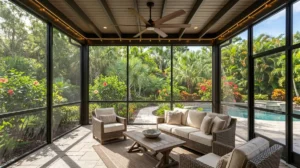
Your backyard pool should be a year-round retreat, not just a summer luxury. Custom pool enclosures make this dream a reality for homeowners across Tampa Bay and West Central Florida. These specially designed structures protect your pool from debris, extend your swimming season, and create a comfortable outdoor living space you’ll enjoy every month of the year.
Unlike standard screen cages, custom pool enclosures are built specifically for your pool’s unique shape and your family’s needs. Whether you have a kidney-shaped pool, a tight backyard space, or want an enclosure that matches your home’s architecture, custom designs solve problems that off-the-shelf solutions simply can’t address. In 2026, homeowners are choosing custom enclosures that blend style with function, creating outdoor spaces that feel like natural extensions of their homes.
This guide walks you through everything you need to know about custom pool enclosures. You’ll discover different design options, learn about materials that withstand Florida’s weather, and understand the benefits that make these structures a smart investment for your property.

What Makes Pool Enclosures Custom
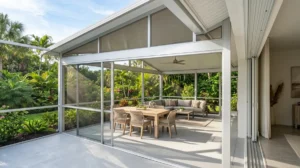
Custom pool enclosures are built to fit your exact specifications. While standard enclosures come in predetermined sizes, custom designs adapt to unusual pool shapes, challenging property layouts, and specific homeowner preferences. This flexibility means you’re not limited by what’s available in a catalog.
The customization process starts with your property’s unique features. Maybe your pool sits close to your house, or perhaps it has curves and angles that standard frames can’t accommodate. Custom builders measure every detail and create plans that work with your space, not against it. Quality Custom Contracting approaches each screen enclosure project by understanding your vision first, then designing a structure that brings it to life.
Custom enclosures also match your home’s architectural style. You can choose colors, roof designs, and finishing details that complement your house rather than clash with it. This attention to design creates a cohesive look that enhances your property’s overall appearance and value.

Popular Roof Designs for Pool Enclosures
The roof design you choose affects both how your enclosure looks and how well it performs. Each style offers different benefits for drainage, height, and visual appeal.
Flat Roof Enclosures
Flat roofs create a clean, modern look that works well with contemporary homes. They’re the most budget-friendly option and provide good headroom throughout the entire enclosure. However, they require proper drainage planning to prevent water pooling during Florida’s heavy rains.
Dome and Sloped Designs
Dome roofs curve upward from all sides, creating a spacious feel and excellent water runoff. Sloped roofs angle in one direction, making them ideal for properties where you want to direct water away from specific areas. Both styles handle rain better than flat designs and add architectural interest to your backyard.
Mansard and Gable Styles
Mansard roofs feature a flat top with sloping sides, combining the benefits of both flat and sloped designs. They create an open, airy feeling while maintaining good drainage. Gable roofs form a triangular peak, similar to traditional house roofs. They offer the most vertical space and create a dramatic, elegant appearance that many homeowners love.
Custom Hybrid Designs
Many homeowners in 2026 are choosing hybrid designs that combine elements from different styles. You might have a gable section over your pool with flat extensions over the deck area. These custom combinations optimize both function and aesthetics for your specific needs.

Materials That Last in Florida Weather
Florida’s climate demands materials that stand up to intense sun, heavy rain, high humidity, and occasional hurricanes. The right material choice protects your investment for decades.
Aluminum frames remain the most popular choice for pool enclosures in West Central Florida. They resist rust, require minimal maintenance, and hold up well in salt air near coastal areas. Modern aluminum frames come in various colors and finishes, so you don’t have to sacrifice style for durability.
For screening material, you have several options:
-
Standard fiberglass screens offer good visibility and airflow at an affordable price
-
Pet-resistant screens use thicker strands that withstand claws and rough play
-
Small-mesh options keep out tiny insects while still allowing breezes through
-
Solar screens block UV rays and reduce heat, creating a cooler pool area
Polycarbonate panels are gaining popularity in 2026 for homeowners who want more weather protection. These clear or tinted panels block rain while letting in natural light. They’re impact-resistant, making them ideal for areas prone to severe weather. Some custom enclosures use a combination of screens and panels, giving you flexibility to open sections during nice weather.
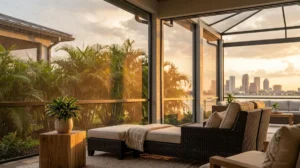
Glass enclosures represent the premium option. Modern pool enclosure glass includes thermal regulation properties that keep your pool area comfortable year-round. Impact-resistant glass meets Florida building codes for hurricane protection while providing unobstructed views of your backyard.

Benefits That Make Enclosures Worth It
Custom pool enclosures deliver practical benefits that improve how you use and maintain your pool. Understanding these advantages helps you see why so many Tampa Bay homeowners consider them essential rather than optional.
Extended Swimming Season
Even in Florida, uncovered pools can feel too cool during winter months and early spring. Enclosures trap solar heat, warming your pool area by several degrees. This passive heating extends your comfortable swimming season without increasing energy costs. Many homeowners find they can swim comfortably from February through November instead of just May through September.
Dramatic Reduction in Maintenance
Leaves, bugs, dirt, and debris constantly fall into open pools. This means more time skimming, more chemicals to balance the water, and more wear on your filter system. Enclosures block most of this debris, cutting your pool maintenance time in half. You’ll spend less on chemicals and your equipment will last longer because it’s not working as hard.
Energy Savings
Covered pools lose less water to evaporation, which means less makeup water to heat. The enclosure also reduces heat loss overnight, so your pool heater runs less frequently. Homeowners typically see a 30-40% reduction in pool heating costs after installing an enclosure.
Safety and Privacy
Enclosures create a barrier that keeps children and pets away from the pool when you’re not watching. They also provide privacy from neighbors, letting you enjoy your pool without feeling like you’re on display. Many insurance companies offer discounts for enclosed pools because they reduce liability risks.
Design Features That Enhance Function
Modern custom pool enclosures go beyond basic coverage. Smart design features make your outdoor space more comfortable and useful throughout the year.
Walk-through height is a key consideration. Standard enclosures might be 8-10 feet tall, but custom designs can reach 12-15 feet or higher. This extra height creates a more open feeling and allows for ceiling fans or lighting. Some designs from leading manufacturers offer unobstructed views up to 54 feet wide without vertical support posts blocking your sightline.
Ventilation features keep air moving on humid Florida days. Strategic window panels, roof vents, and screened sections create cross-breezes that prevent stuffiness. Some homeowners add fans to circulate air during the hottest months, creating a comfortable environment even in July and August.
Retractable sections represent the latest trend in custom pool enclosures. These systems let you open portions of your enclosure when weather is perfect and close them when storms approach. The Universe model and similar designs feature medium-height polycarbonate panels that fully retract, giving you flexibility to adapt your space to changing conditions.
If you’re planning to expand your outdoor living space, modular designs allow for future additions. You might start with a basic pool enclosure and later add a covered seating area, outdoor kitchen, or spa section. Working with experienced contractors like Quality Custom Contracting ensures your initial design accommodates future growth.
Matching Enclosures to Pool Shapes
Your pool’s shape significantly influences your enclosure design. Custom solutions work with any configuration, but each shape presents unique considerations.
Rectangular pools offer the simplest enclosure designs. Standard framing works well, and you have flexibility with roof styles. Even with this basic shape, customization lets you extend the enclosure beyond the pool deck to create covered lounging areas.
Kidney-shaped and freeform pools require true custom work. The enclosure frame must follow the pool’s curves precisely, which means custom-cut components and careful measurements. These projects showcase where custom enclosures really shine, as they create perfectly fitted coverage that follows every contour.
L-shaped pools and pools with attached spas need strategic planning. You might want different roof heights over different sections, or you may choose to enclose only part of the pool area. Custom designs give you the freedom to make these choices based on how you actually use your pool.
When you have a pool that sits in a challenging location, like close to your house or property line, custom enclosures solve the puzzle. Builders can create asymmetrical designs, adjust post placements, and work around obstacles that would stop a standard installation.
Cost Considerations for Custom Enclosures
Understanding what influences pool enclosure costs helps you plan your budget and make informed decisions. Prices vary widely based on size, materials, and complexity.
Standard screen enclosures for typical residential pools range from $4,000 to $14,000. These basic structures use aluminum frames and standard screening, covering rectangular pools with simple roof designs. They’re a solid choice for straightforward projects with no special requirements.
Custom designs start at around $25,000 and can reach $100,000 or more for elaborate projects. The price increases when you add unique shapes, premium materials, retractable sections, or extra-tall heights. Glass enclosures and those with advanced features like integrated lighting or climate control systems sit at the higher end of this range.
Here’s what drives costs up for custom pool enclosures:
-
Pool size and perimeter length (more coverage equals more materials and labor)
-
Roof complexity (domes and gables cost more than flat roofs)
-
Material upgrades (polycarbonate panels and glass cost more than screening)
-
Engineering requirements (complex shapes need more planning and precision)
-
Additional features (doors, windows, electrical work, fans, lighting)
The investment typically pays off through increased home value and reduced pool maintenance costs. Many Tampa Bay homeowners recover a significant portion of their enclosure cost when they sell their homes, as pools with quality enclosures are major selling points.
Trends Shaping Pool Enclosures in 2026
The pool enclosure industry continues to evolve with new materials, designs, and features that make outdoor living more enjoyable. Here’s what homeowners are choosing in 2026.
Sustainability Focus
Eco-friendly materials are becoming standard rather than special-order items. Recycled aluminum frames and composite materials reduce environmental impact without sacrificing strength. Some manufacturers now use recycled plastics in panel construction, creating durable components from materials that would otherwise fill landfills.
Smart Climate Control
Passive solar heating designs capture and hold warmth during cooler months. Strategic panel placement and roof angles maximize sun exposure when you want heat and provide shade when you don’t. Some enclosures include automated vents that open and close based on temperature, maintaining comfortable conditions without constant manual adjustment.
Modular Expandability
Homeowners want flexibility to grow their outdoor spaces over time. Modular designs let you start with basic pool coverage and add sections later for outdoor kitchens, dining areas, or exercise spaces. This approach spreads costs over several years while maintaining design consistency.
Hurricane-Resistant Engineering
Florida building codes have gotten stricter following recent storm seasons. The latest enclosures use reinforced framing, impact-resistant materials, and engineering that meets or exceeds current wind load requirements. These improvements protect your investment and give you peace of mind during hurricane season.
Minimalist Aesthetics
Clean lines and minimal framing create modern looks that complement contemporary homes. Manufacturers are designing support structures that hold strong while taking up less visual space. Some systems now offer 40-foot spans between support posts, creating nearly unobstructed views of your pool and yard.
Working With the Right Contractor
Your pool enclosure is only as good as the team that builds it. Choosing the right contractor makes the difference between a project that exceeds expectations and one that causes frustration.
Look for contractors with specific experience in custom pool enclosures, not just general screening work. Custom projects require precise measurements, problem-solving skills, and knowledge of engineering principles. Ask to see photos of completed custom projects similar to what you have in mind.
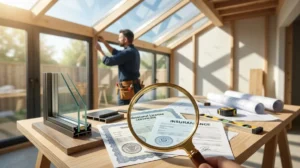
Licensing and insurance protect you from liability and ensure your contractor meets professional standards. In Florida, screen enclosure contractors should carry proper licensing and insurance coverage. Don’t hesitate to ask for proof of both before signing any contracts.
Quality Custom Contracting brings over 25 years of experience to every pool enclosure project across Hillsborough, Pinellas, Manatee, Sarasota, and Pasco counties. As a family-owned business, we approach your project with the same attention to detail we’d want for our own homes. We believe in clear communication, upfront estimates, and precision construction without shortcuts.
The best contractors walk you through their process before starting work. You should understand the timeline, how they’ll protect your existing pool and landscaping during construction, and what to expect at each phase. Companies that rush through the planning stage often create problems during installation.
Customer reviews and references give you insight into what working with a contractor is really like. Check out what our clients say on Google to see how we’ve helped homeowners throughout West Central Florida transform their outdoor spaces.
Combining Enclosures With Other Outdoor Projects
Many homeowners tackle multiple outdoor improvements at once, creating cohesive spaces that flow together naturally. Pool enclosures work beautifully with other projects to maximize your outdoor living potential.
Adding or upgrading your outdoor patio alongside your enclosure creates a complete outdoor room. You might extend your pool deck with pavers, creating separate zones for swimming, dining, and lounging all under one protected structure. Custom paver designs add color and texture that complement your enclosure’s style.
Some homeowners include outdoor kitchens or bars within their enclosed pool areas. The enclosure protects appliances and equipment from weather while creating a comfortable space for entertaining. You can cook, serve, and socialize by the pool regardless of the weather forecast.
Landscape lighting transforms enclosed pool areas after dark. LED strips along the frame, underwater pool lights, and landscape spotlights create ambiance and extend usable hours into the evening. Smart lighting systems let you control everything from your phone, adjusting brightness and color to match your mood.
Home additions that open to enclosed pool areas create seamless indoor-outdoor living. French doors or sliding glass walls connect your pool enclosure to family rooms, master suites, or home gyms. This integration makes your whole property feel larger and more functional.
Maintenance and Long-Term Care
Custom pool enclosures require minimal maintenance, but a few simple practices keep them looking great and functioning perfectly for decades.
Regular cleaning prevents buildup that can damage screens and frames. Rinse your enclosure with a garden hose every few months to remove pollen, dust, and salt spray. For stubborn dirt, use mild soap and a soft brush. Avoid pressure washers, which can damage screens and force water into frame connections.
Inspect your enclosure twice yearly for any damage. Look for:
-
Torn or loose screens that need repair
-
Corrosion or rust on metal components
-
Loose fasteners or connections
-
Cracks in panels or glass
-
Gaps where debris could enter
-
Drainage problems or standing water on flat roof sections
Small repairs cost little when you catch them early. A single torn screen panel is quick and affordable to replace. Ignoring that small tear until it becomes a large rip means more extensive and expensive repairs later.
After severe weather, walk around your enclosure checking for storm damage. Even well-built enclosures can sustain damage from flying debris or falling branches during hurricanes. Document any damage with photos for insurance purposes and schedule repairs promptly.
Aluminum frames might develop white oxidation over time, especially near the coast. This chalky residue is harmless but affects appearance. Clean it off with aluminum cleaner or a mixture of vinegar and water, then apply a protective wax to slow future oxidation.
Questions to Ask Before You Build
Preparing the right questions helps you gather the information you need to make smart decisions about your custom pool enclosure.
Start by understanding the timeline. How long will design and permitting take? When can construction begin, and how many days will the actual build require? Realistic timelines help you plan around pool parties, family visits, or other events where you’ll want construction completed.
Ask about warranties on both materials and workmanship. Quality contractors stand behind their work with solid warranties. Know what’s covered, for how long, and what actions might void the warranty. Get warranty information in writing before signing contracts.
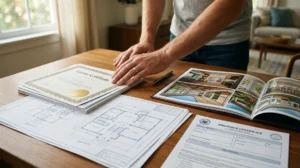
Understand the permitting process in your area. Does the contractor handle permits, or are you responsible? What inspections are required, and who schedules them? Experienced local contractors know the permitting requirements for your municipality and can navigate the process smoothly.
Discuss design flexibility during the planning phase. Can you see 3D renderings or detailed drawings before construction starts? Are you locked into your initial design, or can you make changes as you see the project take shape? Clear communication about the design process prevents misunderstandings later.
Finally, get detailed estimates that break down costs by component. This transparency helps you understand where your money goes and makes it easier to compare quotes if you’re considering multiple contractors. Our team provides free estimates that clearly outline every aspect of your project.
Making Your Pool Enclosure Dream Real
Custom pool enclosures transform how Tampa Bay families enjoy their outdoor spaces. They protect your investment, reduce maintenance headaches, and create comfortable areas you’ll use year-round. Whether you’re drawn to sleek modern designs with minimal framing or traditional styles that match your home’s architecture, custom solutions bring your vision to life.
The key to success lies in choosing quality materials, smart design features, and experienced contractors who understand Florida’s unique requirements. Your pool enclosure should withstand hurricanes, block intense sun, and look beautiful for decades to come.
Quality Custom Contracting has helped hundreds of homeowners across Riverview and surrounding communities create the outdoor living spaces they’ve always wanted. We treat every project like we’re building for our own family, because that’s the level of care every homeowner deserves. From initial design through final inspection, we’re with you every step of the way, ensuring your custom pool enclosure exceeds your expectations.
Ready to extend your swimming season and reduce pool maintenance? Request your free estimate today and let’s start designing the perfect custom pool enclosure for your home. Your year-round outdoor retreat is closer than you think.
FAQs
Q: How much do custom pool enclosures typically cost?
A: Custom pool enclosures usually range from $25,000 to $100,000, depending on size, materials, and special features. Standard screen enclosures for typical pools cost $4,000 to $14,000, while premium options with glass panels, retractable sections, or unique shapes sit at the higher end. Your final cost depends on your pool’s size, the materials you choose, and any custom features you add.
Q: What’s the best roof design for a pool enclosure in Florida?
A: Sloped, dome, and gable roofs work best in Florida because they handle heavy rain better than flat designs. Dome roofs offer excellent water runoff from all directions, while gable roofs provide maximum height and a classic look. Many homeowners choose mansard roofs, which combine a flat top with sloping sides for good drainage and a spacious feel.
Q: How long do custom pool enclosures last?
A: Quality custom pool enclosures with aluminum frames typically last 15-25 years or more with proper maintenance. Screen panels may need replacement every 10-15 years depending on exposure to sun and weather, but the frame structure remains solid for decades. Premium materials like impact-resistant glass and polycarbonate panels can extend your enclosure’s lifespan even further.
Q: Can pool enclosures withstand hurricanes?
A: Modern custom pool enclosures built to current Florida building codes are engineered to withstand hurricane-force winds. They use reinforced aluminum framing, impact-resistant materials, and proper anchoring systems that meet strict wind load requirements. While severe storms may cause some damage, quality enclosures are designed to protect your pool area and minimize repair needs after extreme weather events.
Q: Do pool enclosures really reduce maintenance time?
A: Yes, pool enclosures dramatically cut maintenance by blocking leaves, bugs, dirt, and debris from entering your pool. Most homeowners reduce their cleaning time by 50% or more and use fewer chemicals because the water stays cleaner. You’ll also extend your filter’s lifespan since it doesn’t work as hard to remove debris, saving money on equipment replacement and repairs.