Key Takeaways
-
Choose a screen enclosure contractor with extensive local experience who understands regional building codes and weather-specific requirements.
-
Always verify a contractor's licensing, insurance, and permits before starting a project to protect yourself legally and financially.
-
Don't automatically select the lowest bid; cheaper estimates often mean inferior materials or hidden additional costs later.
-
Screen enclosure costs range from $1,680 to $2,490 nationally, with material quality significantly impacting long-term durability and performance.
-
Consider comprehensive customization options beyond standard designs, like integrated lighting, ceiling fans, and specialized screen types.
-
Prioritize contractors who offer clear communication, detailed documentation, and comprehensive warranty coverage for your project.
Choosing the right contractor for your screen enclosure project can feel overwhelming. With so many options in Tampa Bay and across Florida, how do you know who to trust with transforming your outdoor space? The truth is, not all screen enclosure contractors are created equal, and there are some insider secrets that many won’t share with you upfront. This guide reveals 13 important things you need to know before hiring a contractor, helping you make an informed decision that protects your investment and ensures you get the outdoor living space you’ve always wanted.
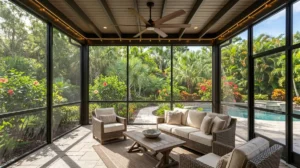
Screen enclosures have become increasingly popular in Florida, and for good reason. They protect your patio or pool area from insects and debris while still letting you enjoy fresh air and natural light. But finding a contractor who delivers quality work at a fair price requires knowing what questions to ask and what red flags to watch for. Let’s dive into the things most contractors won’t volunteer during your first consultation.

1. Not All Materials Are Created Equal
When contractors discuss materials for your screen enclosure, they might not tell you about the significant quality differences between options. Aluminum frames remain the most popular choice in Florida because they resist rust and hold up well in humid conditions. However, not all aluminum is the same grade or thickness.
High-quality contractors use heavier gauge aluminum that won’t bend or warp over time. Cheaper materials might save you money initially, but they’ll cost more in repairs and replacements down the road. The screen material itself varies too, with options ranging from standard fiberglass at about $0.25 to $0.50 per square foot to more durable aluminum screening at $0.35 to $0.70 per square foot.
At Quality Custom Contracting, we believe in using materials that stand the test of time. We never cut corners on quality because we know your outdoor space needs to withstand Florida’s challenging weather conditions, from intense sun to sudden storms.

2. The Permit Process Matters More Than You Think
Many homeowners don’t realize that screen enclosures typically require building permits in most Florida counties. Some contractors might suggest skipping this step to save time or money, but that’s a huge red flag. Working without proper permits can lead to serious problems:
- Fines from your local building department
- Complications when selling your home
- Insurance claim denials if damage occurs
- Being forced to tear down the structure
- Liability issues if someone gets injured
A reputable contractor handles all permit applications and ensures your project meets local building codes. This process protects you legally and ensures your enclosure is built to proper safety standards. It might add a few days to your project timeline, but it’s absolutely worth the peace of mind.

3. Experience in Your Specific Area Makes a Difference
Florida’s building codes and weather patterns vary significantly across different regions. A contractor who primarily works in Orlando might not understand the specific wind load requirements for coastal areas in Tampa Bay. Local experience matters because contractors familiar with your area know:
- Specific county permitting requirements and processes
- Local building code nuances and inspector expectations
- Which materials perform best in your microclimate
- Common soil and foundation considerations
- Typical challenges with local home construction styles
With over 25 years serving Hillsborough, Pinellas, Manatee, Sarasota, and Pasco counties, Quality Custom Contracting understands the unique requirements of West Central Florida. We’ve built relationships with local inspectors and suppliers, which helps your project move smoothly from start to finish.

4. The Lowest Bid Usually Comes With Hidden Costs
It’s tempting to choose the contractor with the lowest estimate, but extremely low bids often indicate problems. Contractors who underbid typically make up the difference through change orders, using inferior materials, or cutting corners on installation. The average cost for a screened-in porch installation in 2026 ranges from $1,680 to $2,490 nationally, with material costs running $3.05 to $4.90 per square foot.
When you receive an estimate that seems too good to be true, ask detailed questions about what’s included. Some contractors provide bare-bones quotes that don’t include essential elements like gutters, proper drainage, or electrical work. Others might use the cheapest possible materials without disclosing quality differences.
| Cost Factor | Budget Option | Quality Option |
|---|---|---|
| Aluminum Screening | $0.35/sq ft | $0.70/sq ft |
| Fiberglass Screening | $0.25/sq ft | $0.50/sq ft |
| Frame Material | Thin gauge aluminum | Heavy gauge aluminum |
| Installation Labor | $25/hour | $70/hour (experienced) |
5. Installation Timeline Estimates Are Often Optimistic
Contractors want to win your business, so they sometimes provide overly optimistic timelines. Weather delays, permit approval wait times, and material delivery issues can all extend your project. A realistic contractor provides a timeline range rather than a specific completion date.
Most screen enclosure projects take between one to three weeks from start to finish, but that doesn’t include permit approval time, which can add another two to four weeks. Understanding the full timeline helps you plan accordingly and sets realistic expectations for when you can start enjoying your new outdoor space.
6. Warranty Coverage Varies Dramatically Between Contractors
Not all warranties offer the same protection. Some contractors provide minimal coverage that only includes structural defects for a year, while others stand behind their work for much longer. Before signing any contract, understand exactly what’s covered:
- Structural integrity and frame warranties
- Screen material replacement terms
- Labor coverage for repairs
- Time limits and exclusions
- Transfer rights if you sell your home
- Response time guarantees for warranty claims
A contractor confident in their work offers comprehensive warranty coverage and clearly explains the claims process. Be wary of vague warranty language or contractors who downplay warranty discussions during consultations.
7. Insurance and Licensing Requirements Are Non-Negotiable
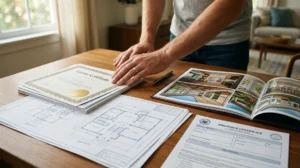
Every legitimate screen enclosure contractor should carry proper licensing and insurance. In Florida, contractors need a state license or local competency card to legally perform this work. Additionally, they should carry general liability insurance and workers’ compensation coverage.
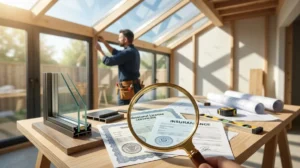
Don’t feel awkward asking to see proof of insurance and licensing. Professional contractors expect these questions and provide documentation readily. If a contractor hesitates or makes excuses about showing credentials, walk away. Working with an uninsured contractor puts your property and finances at serious risk if accidents or damage occur.
8. Customization Options Are More Extensive Than Standard Quotes Suggest
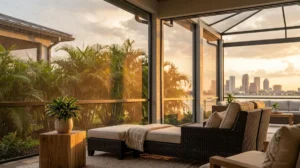
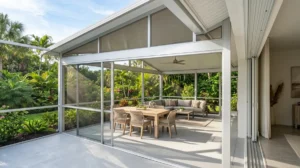
Many contractors present screen enclosures as fairly standard, cookie-cutter structures. In reality, customization options have expanded significantly in recent years. You can incorporate features like:
- Varying roof styles (gable, hip, flat, or shed)
- Multiple screen types for different areas
- Integrated ceiling fans and lighting
- Decorative columns and trim work
- Built-in planters or storage areas
- Pet doors or specialty access points
- Privacy screens for specific sections
Don’t settle for a basic design if you have specific needs or aesthetic preferences. A good contractor asks about your lifestyle and how you plan to use the space, then suggests customizations that enhance functionality and appearance. At Quality Custom Contracting, we approach every project as unique because your outdoor space should reflect your personal style and needs.
9. Maintenance Requirements Impact Long-Term Costs
Screen enclosures aren’t completely maintenance-free, though some contractors might imply otherwise. Regular upkeep extends the life of your investment and keeps it looking great. Typical maintenance includes:
- Annual cleaning of screens and frames
- Inspection for loose fasteners or damaged sections
- Clearing debris from roof and gutters
- Checking door and window mechanisms
- Addressing small tears before they become bigger problems
Understanding maintenance requirements upfront helps you budget appropriately and prevents surprise expenses. Ask your contractor about recommended maintenance schedules and whether they offer service packages for ongoing care.
10. The Screen Enclosure Industry Is Growing Rapidly
The screen enclosure market reached approximately $2.5 billion in 2023 and continues growing at about 5% annually. This growth means more contractors are entering the field, but not all have the experience or expertise needed for quality installations. The market is projected to reach $2.3 billion by the end of 2026 based on current trends.
This expansion creates opportunities for homeowners but also increases the importance of careful contractor selection. Established contractors with proven track records offer more reliability than newcomers trying to capitalize on market demand. Look for contractors with at least five years of experience and verifiable references from past clients.
11. Pool Enclosures Have Special Requirements
If you’re adding a screen enclosure around your pool, additional regulations and considerations apply. Pool enclosures must meet specific safety codes regarding barrier requirements, gate latches, and structural integrity. Florida has particularly stringent pool enclosure regulations to prevent accidents.
Contractors specializing in pool enclosures understand these requirements and design structures that keep your family safe while maximizing your pool area’s usability. They also know how to properly integrate pool equipment, lighting, and drainage into the enclosure design.
12. References Should Be Recent and Verifiable
When contractors provide references, pay attention to how recent those projects are. A contractor who only offers references from three years ago might be hiding recent quality issues or customer service problems. Request references from the past six months whenever possible.
Don’t just accept a list of names and numbers. Follow up with those references and ask specific questions about their experience. Were there unexpected costs? Did the contractor communicate well? How did they handle problems that arose? Would they hire this contractor again? You can also check online reviews on Yelp and other platforms to get broader feedback about a contractor’s reputation.
13. Communication Style Predicts Overall Experience
Pay close attention to how contractors communicate during the consultation and bidding process. This early interaction predicts how they’ll communicate throughout your project. Red flags include:
- Delayed responses to calls or emails
- Vague answers to specific questions
- Pressure tactics or rushing you to sign
- Dismissing your concerns or preferences
- Inability to explain technical aspects clearly
- Reluctance to put agreements in writing
Quality contractors prioritize clear communication because they know it’s essential for successful projects. They return calls promptly, explain processes thoroughly, and make you feel heard and respected. This communication style continues throughout construction, with regular updates on progress and any challenges that arise.
| Communication Factor | Warning Sign | Positive Sign |
|---|---|---|
| Response Time | Days to respond | Same-day responses |
| Detail Level | Vague estimates | Itemized quotes |
| Documentation | Verbal agreements only | Everything in writing |
| Availability | Hard to reach | Multiple contact methods |
Making Your Final Decision
Armed with these 13 insights, you’re better prepared to evaluate screen enclosure contractors and choose one who’ll deliver the quality results you deserve. Remember that the cheapest option rarely provides the best value, and experience in your specific area matters significantly.
When reviewing contractors, create a checklist based on these points. Compare not just pricing, but also licensing, insurance, warranties, communication style, and local experience. Don’t rush the decision because this investment affects your home’s value and your family’s enjoyment of outdoor space for years to come.
At Quality Custom Contracting, we’ve spent over 25 years building trust with homeowners across Tampa Bay by delivering what we promise. We believe in upfront estimates, clear communication, and construction done right the first time. Our process puts homeowners first, treating every project like we’re building our own home.
Ready to Transform Your Outdoor Space?
Creating the perfect screen enclosure starts with choosing the right contractor. Now that you know what questions to ask and what to look for, you can move forward with confidence. Whether you’re enclosing a patio, pool area, or creating an entirely new outdoor room, the right contractor makes all the difference in the final result.
Quality Custom Contracting serves homeowners throughout Hillsborough, Pinellas, Manatee, Sarasota, and Pasco counties with the same dedication to quality that’s defined our work for over two decades. We understand the unique challenges of building in West Central Florida, and we’re licensed, insured, and committed to your complete satisfaction. Check out what our happy customers are saying on our Facebook page and see examples of our completed projects.
Don’t settle for contractors who cut corners or make promises they can’t keep. Your outdoor living space deserves craftsmanship that stands the test of time and a contractor who treats your home with respect. Visit us on Google to read reviews from real homeowners who’ve experienced the Quality Custom Contracting difference, or explore our gallery to see the quality of our completed screen enclosures.
Ready to get started on your screen enclosure project? We’re here to answer your questions, discuss your vision, and provide an honest assessment of what’s possible for your space and budget. Get a free quote today and take the first step toward enjoying your outdoor space year-round, protected from insects and weather while still soaking in the beautiful Florida sunshine.
FAQs
Q: How much does a screen enclosure typically cost in Florida?
A: The national average for a screened-in porch in 2026 ranges from $1,680 to $2,490, with material costs between $3.05 and $4.90 per square foot. Florida prices vary based on size, materials, and customization. Higher-quality aluminum screening costs more upfront but lasts longer in our humid climate. Always get multiple quotes and compare what’s included rather than just looking at the bottom line.
Q: Do I really need a permit for a screen enclosure?
A: Yes, most Florida counties require building permits for screen enclosures. Working without permits can result in fines, insurance issues, and problems when selling your home. Reputable contractors handle all permitting and ensure your structure meets local building codes and wind load requirements. The permit process adds time but protects your investment and keeps everything legal.
Q: How long does it take to install a screen enclosure?
A: The actual construction typically takes one to three weeks depending on size and complexity. However, you should also factor in permit approval time, which can add two to four weeks. Weather delays and material delivery can also affect timelines. A trustworthy contractor provides realistic timeframes rather than overpromising quick completion to win your business.
Q: What’s the difference between aluminum and fiberglass screening?
A: Aluminum screening costs slightly more ($0.35-$0.70 per square foot) but resists tearing better and lasts longer in harsh weather. Fiberglass screening ($0.25-$0.50 per square foot) offers good visibility and comes in various colors but tears more easily. For Florida’s climate, many homeowners choose aluminum for durability, especially around pools where activity levels are higher.
Q: How do I verify a contractor’s credentials?
A: Ask to see their Florida contractor’s license or local competency card, general liability insurance, and workers’ compensation coverage. Legitimate contractors provide this documentation without hesitation. You can verify licenses through the Florida Department of Business and Professional Regulation website. Also check online reviews, ask for recent references, and look for established businesses with proven track records in your area.