Key Takeaways
-
Screen enclosures in Riverview provide crucial protection from insects, UV rays, and sudden weather changes, turning outdoor spaces into comfortable retreats.
-
Choosing high-quality materials like marine-grade aluminum frames and tight-weave mesh screening is essential for durability in Florida's harsh climate.
-
Pool safety is a primary benefit, with screen enclosures acting as an effective barrier to prevent unsupervised access and reduce maintenance requirements.
-
Professional installation ensures proper anchoring, code compliance, and warranty coverage, making it preferable to DIY kits for most homeowners.
-
Screen enclosures can significantly reduce outdoor maintenance by blocking leaves, pollen, and debris, saving time and money on cleaning and pool chemicals.
-
Customization options like integrated lighting, ceiling fans, and flexible roof configurations allow homeowners to create personalized outdoor living spaces.
-
A well-designed screen enclosure can increase property value and provide year-round usability of outdoor areas, making it a valuable home improvement investment.
Living in Riverview, Florida means enjoying beautiful weather year-round, but it also means dealing with mosquitoes, afternoon rain showers, and intense UV rays. If you’ve been dreaming of making the most of your outdoor space without the hassles that come with Florida’s climate, a screen enclosure might be exactly what you need. These versatile structures transform patios, pools, and outdoor living areas into comfortable retreats where you can relax without constantly swatting bugs or worrying about sudden weather changes. Whether you’re a new homeowner or looking to upgrade your existing property, understanding how to choose the right screen enclosure will help you create an outdoor sanctuary that adds value and enjoyment to your Riverview home.
Screen enclosures have become increasingly popular throughout Tampa Bay, and for good reason. They extend your living space, protect your family, and reduce maintenance headaches while letting you enjoy Florida’s natural beauty. But with so many options available, from DIY kits to custom professional installations, knowing what to look for ensures you’ll make a choice that fits your lifestyle and budget. Let’s walk through everything you need to know about selecting the perfect screen enclosure for your Riverview property.

Understanding What Makes a Quality Screen Enclosure
Before diving into specific options, it’s helpful to understand what actually goes into a screen enclosure. At its core, a screen enclosure consists of a sturdy frame—typically made from aluminum or steel—covered with durable mesh screening material. The frame provides structural support and must withstand Florida’s weather conditions, including high winds, heavy rain, and constant humidity. The screening material itself is usually made from fiberglass or polyester mesh, designed to block insects, debris, and harmful UV rays while still allowing airflow and maintaining visibility.
The quality of both components matters tremendously. In coastal areas like Riverview, where salt air and moisture are constant factors, choosing rust-resistant materials is essential. Marine-grade materials with proper coatings will last significantly longer than cheaper alternatives. The mesh density also plays a role—a tighter weave (such as 20×14) offers better protection from tiny insects and finer debris, though it may slightly reduce visibility compared to looser weaves.
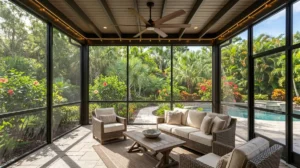
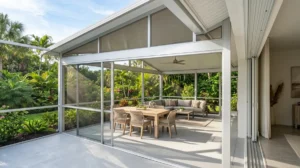
Modern screen enclosures can cover pools, patios, lanais, and even outdoor kitchens. They’re not just functional additions; when properly designed and installed, they enhance your home’s aesthetic appeal and can increase property value. Understanding these fundamentals helps you ask the right questions when evaluating options for your specific needs.

Identifying Your Primary Goals and Needs
The first step in choosing the right screen enclosure is getting clear about what you want to achieve. Different families have different priorities, and your specific goals will guide many of the decisions ahead. Start by asking yourself what problems you’re trying to solve or what benefits you’re hoping to gain.
Safety and Protection Considerations
For many Riverview families, especially those with young children or pets, safety is the top concern. Florida unfortunately has high child drowning rates, making pool safety a critical issue. A properly installed pool enclosure acts as an effective barrier, preventing unsupervised access to swimming areas. This added layer of protection provides peace of mind, though it should never replace active supervision and other safety measures like pool fences and alarms.
Beyond water safety, screen enclosures protect your family from insects that can carry diseases and from harmful UV radiation that damages skin and outdoor furniture. They also keep out wildlife that might wander into your yard, from birds that leave droppings to the occasional snake or raccoon. If protection is your main goal, you’ll want to prioritize sturdy construction, tight mesh weaving, and secure door mechanisms.
Maintenance Reduction Benefits
If you’re tired of constantly skimming leaves from your pool or sweeping debris off your patio, a screen enclosure dramatically reduces outdoor maintenance. By keeping out leaves, dirt, pollen, and other debris, these structures can cut your cleaning time in half or more. Pool owners particularly appreciate this benefit, as less debris means fewer chemicals needed, less frequent filter cleaning, and reduced water evaporation.
The time and money saved on maintenance adds up quickly. You’ll spend less on pool chemicals, replacement cushions for outdoor furniture, and weekend hours spent cleaning. For busy families or those who travel frequently, this maintenance reduction is often worth the investment alone.
Extending Outdoor Living Space
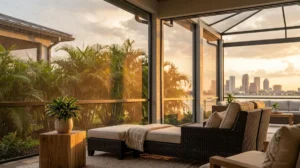
Maybe your goal is simply to create a comfortable outdoor room where you can entertain guests, enjoy morning coffee, or let kids play regardless of weather. Screen enclosures excel at extending your usable living space by providing shade, temperature regulation, and protection from sudden rain showers. This means you can use your patio or pool area year-round, not just on perfect weather days.
The shade provided by enclosures reduces temperatures by several degrees, making outdoor spaces more comfortable during hot summer months. This natural cooling effect can even reduce your reliance on air conditioning, potentially lowering energy bills. If creating an all-season outdoor retreat is your priority, consider enclosures with additional features like ceiling fans or the option to add removable panels for extra weather protection.

Evaluating Material Options and Quality
Once you’ve clarified your goals, it’s time to look at the materials that will make up your enclosure. The quality of materials directly impacts durability, maintenance requirements, and long-term satisfaction with your investment.
Frame Materials and Construction
Most screen enclosures in Riverview use aluminum framing because it offers an excellent balance of strength, durability, and affordability. Aluminum resists rust and corrosion naturally, which is crucial in Florida’s humid, salty environment. Look for frames made from heavy-gauge aluminum with reinforced corners and proper bracing to withstand wind loads.
Some higher-end enclosures use steel framing for added strength, particularly for large spans or areas that need to support additional features like lighting or ceiling fans. Steel frames require proper coatings to prevent rust, so if you choose this option, verify that the manufacturer uses marine-grade protective finishes.
The frame color matters too, both aesthetically and practically. Darker colors absorb more heat, which can make the structure itself warmer to touch on sunny days. Lighter colors stay cooler and tend to blend more subtly with most home exteriors. Many homeowners in Riverview choose white, bronze, or beige frames that complement Florida’s architectural styles.
Screening Material Selection
The mesh screening is what you’ll interact with most directly, so choosing the right material is essential. Fiberglass mesh is the most common choice because it’s affordable, durable, and provides good visibility. It comes in various grades, with higher-quality fiberglass being more resistant to tears and weather damage.
Polyester mesh offers similar benefits but tends to be slightly more durable and resistant to stretching over time. For coastal Riverview properties, marine-grade vinyl mesh provides superior resistance to salt air and moisture. This material typically features a tighter 20×14 weave that blocks even tiny insects while maintaining reasonable visibility and airflow.
Some specialized screening options include solar screens that block additional UV radiation and reduce heat transfer, or pet-resistant screens with reinforced weaving that stands up to scratching from dogs and cats. Consider your specific needs when choosing mesh material—standard fiberglass works well for most applications, but specialized screens might be worth the extra cost if they address particular concerns.

Deciding Between DIY Kits and Professional Installation
One of the biggest decisions you’ll face is whether to tackle a screen enclosure as a DIY project or hire professionals. Both approaches have advantages, and the right choice depends on your skills, budget, and timeline.
When DIY Kits Make Sense
DIY screen enclosure kits can be appealing if you’re handy with tools and enjoy home improvement projects. These kits typically include pre-cut frame components, screening material, and installation hardware along with detailed instructions. The main advantage is cost savings—you’ll pay significantly less than professional installation, sometimes half the price or less.
However, DIY installations come with challenges. You’ll need basic construction skills, appropriate tools, and several days to complete the project. The final result depends entirely on your ability to follow instructions precisely and ensure everything is level, square, and properly anchored. Small mistakes in measurement or installation can lead to doors that don’t close properly, sagging screens, or structures that don’t withstand strong winds.
DIY kits work best for smaller, simpler projects like basic patio enclosures with straightforward rectangular shapes. They’re less suitable for complex designs, large pool enclosures, or situations where building permits require professional installation.
Benefits of Professional Installation
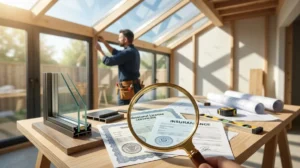
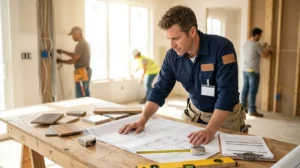
Hiring experienced professionals like Quality Custom Contracting brings expertise that ensures your enclosure is built correctly from the start. Professional installers understand local building codes, permit requirements, and best practices for Florida’s climate conditions. They have the tools and experience to handle complex layouts, ensure proper anchoring to withstand hurricane-force winds, and create custom solutions that fit your property perfectly.
Professional installation typically includes warranty coverage on both materials and workmanship, providing peace of mind that DIY projects can’t match. If something goes wrong or needs adjustment, you have recourse and support. The installation process is also much faster—what might take you several weekends can often be completed by professionals in just a few days.
For most Riverview homeowners, professional installation is the smarter choice, especially for pool enclosures or large patio structures where safety and durability are paramount. The investment in quality installation pays off through better performance, longer lifespan, and the confidence that everything meets code requirements. To explore professional options, get a free quote to see how affordable professional installation can be.
Considering Design Features and Customization
Screen enclosures aren’t one-size-fits-all. Modern options offer numerous design features and customization possibilities that can enhance both function and appearance.
Door Styles and Entry Options
The type of doors you choose affects both convenience and security. Standard hinged doors work well for most applications and come in various sizes. For larger openings or to maximize access, consider sliding glass doors that provide an elegant transition between indoor and outdoor spaces while maintaining protection when closed.
Pet owners might want to include pet doors within the enclosure, allowing animals to move freely between inside and outside without requiring you to open main doors constantly. Some enclosures incorporate multiple entry points, which is particularly useful for pool areas where you want access from both the house and the yard.
Roof Options and Configurations
Screen enclosure roofs can be fully screened for maximum airflow and visibility, partially covered with solid panels for more shade and weather protection, or fully solid for complete overhead shelter. Your choice depends on priorities—full screening offers the most natural feel and light, while solid roofs provide better rain protection and more substantial shade.
Many Riverview homeowners opt for hybrid designs with solid roofs over primary seating areas and screened sections elsewhere. This combination provides sheltered spots for furniture while maintaining the airy, open feeling that makes screen enclosures so enjoyable. Some designs incorporate ceiling fans or lighting, which require solid roof sections for mounting.
Additional Features Worth Considering
Modern screen enclosures can include various upgrades that enhance functionality. Integrated lighting transforms your enclosure into a usable space after dark. Ceiling fans improve airflow and cooling on hot days. Some homeowners add removable or retractable vinyl panels that can be deployed during storms or cooler weather, creating a more enclosed space when needed.
For pool enclosures specifically, consider incorporating dedicated areas for outdoor showers, storage cabinets, or even small changing rooms. These additions make the space more functional and reduce the need to track wet feet through your house. When working with professionals, discuss these options early in the design process to ensure proper structural support and planning.
Understanding Costs and Budget Planning
Screen enclosure costs vary widely based on size, materials, features, and installation complexity. Understanding the factors that affect pricing helps you budget appropriately and make informed decisions.
Factors That Influence Overall Cost
The size of your enclosure is the most obvious cost factor—larger structures require more materials and labor. However, other elements significantly impact the final price. Custom designs cost more than standard configurations. Higher-quality materials like marine-grade screening or reinforced aluminum framing increase upfront costs but often prove more economical over time due to greater durability and lower maintenance needs.
Complex installations with challenging access, unusual property layouts, or extensive groundwork requirements will cost more than straightforward projects. Pool enclosures typically cost more than simple patio enclosures due to size and the additional safety considerations involved. Features like solid roof sections, upgraded doors, integrated lighting, or ceiling fans all add to the total investment.
Long-Term Value Considerations
While focusing on upfront costs is natural, consider the long-term value equation. A quality screen enclosure reduces maintenance expenses, potentially lowers energy costs through natural cooling, and increases your property value. Homes with well-designed outdoor living spaces, including screen enclosures, typically command higher resale prices and appeal to more buyers.
The reduction in pool maintenance alone can save hundreds of dollars annually in chemicals, cleaning services, and equipment wear. Protection for outdoor furniture extends its lifespan significantly—cushions, umbrellas, and other accessories that might need replacement every few years can last much longer under an enclosure’s protection.
Quality Custom Contracting provides transparent, upfront estimates with no hidden surprises, helping you understand exactly what you’re investing in and what value you’ll receive. This clear communication approach means you can make confident decisions about features and materials that fit your budget while meeting your needs.
Navigating Permits and Regulations in Riverview
Building a screen enclosure in Riverview requires compliance with local building codes and typically needs permits. Understanding these requirements upfront prevents delays and ensures your structure is safe and legal.
Local Building Code Requirements
Hillsborough County, where Riverview is located, has specific building codes designed to ensure structures can withstand Florida’s weather conditions, particularly high winds from hurricanes and tropical storms. Screen enclosures must meet wind load requirements based on your property’s location and exposure. These codes dictate frame specifications, anchoring methods, and construction techniques.
Setback requirements determine how close your enclosure can be to property lines, which affects placement options. Height restrictions may apply depending on your neighborhood’s zoning. Some homeowners’ associations have additional architectural guidelines that govern appearance, colors, and design elements. Checking these requirements before finalizing your design prevents costly changes later.
Permit Process and Inspections
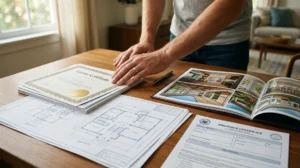
Most screen enclosures in Riverview require building permits before construction begins. The permit process involves submitting plans and specifications for review to ensure code compliance. Professional contractors typically handle permit applications as part of their service, which is a significant advantage over DIY approaches where you’d need to navigate this process yourself.
After installation, building inspectors will verify that the structure meets approved plans and code requirements. This inspection protects you by ensuring everything is built safely and correctly. Once your enclosure passes inspection, you’ll receive final approval documentation, which is important for insurance purposes and future property transactions.
Working with experienced contractors like Quality Custom Contracting means having experts who understand local requirements and can smoothly handle the permit process. This expertise eliminates stress and ensures your project stays on schedule without regulatory complications.
Maintaining Your Screen Enclosure for Longevity
Once your screen enclosure is installed, proper maintenance keeps it looking great and functioning well for many years. The good news is that maintenance requirements are relatively minimal, especially compared to the time you’ll save on cleaning your pool or patio.
Regular Cleaning and Inspection
Plan to clean your screen enclosure a few times per year, more frequently if you’re near the coast or under trees. Use a soft brush or broom to remove loose debris, then wash screens with mild soap and water using a gentle spray from a garden hose. Avoid pressure washers, which can damage screening material. For stubborn dirt or mold, specialized screen cleaning solutions work well without harsh chemicals that might degrade the mesh.
Inspect the entire structure periodically, looking for tears in screens, loose frame connections, or signs of corrosion. Small tears can be patched before they grow larger, and minor maintenance issues are much cheaper to address early than after they’ve caused more extensive damage. Check door mechanisms to ensure they open and close smoothly, and lubricate hinges annually to prevent sticking.
Addressing Common Issues
The most common issue with screen enclosures is torn or damaged screening, which can happen from falling branches, errant sports equipment, or normal wear over time. Many tears can be repaired with screen patches available at hardware stores, though large or multiple tears may warrant professional screening replacement.
Aluminum frames can develop oxidation over time, appearing as white or gray powder on the surface. This is normal and can be cleaned with aluminum cleaner or a mixture of vinegar and water. If frames become loose or connections fail, professional repairs ensure structural integrity is maintained. The experienced team at Quality Custom Contracting offers repair services to keep your enclosure in top condition.
Preparing for Storm Season
Florida’s hurricane season requires special attention. Before major storms, remove loose items from inside the enclosure that could become projectiles if winds penetrate the screening. Some homeowners choose to remove lightweight furniture or secure it with straps. Check that all doors close and latch properly to prevent them from banging in high winds.
After storms, inspect for damage as soon as it’s safe to do so. Document any issues with photos for insurance purposes if needed, and arrange for prompt repairs to prevent secondary damage from exposure. Quality construction following Florida Building Code wind load requirements significantly reduces storm damage risk, which is why professional installation is so important in our area.
Making the Final Decision
Armed with information about materials, installation options, design features, and maintenance requirements, you’re ready to make an informed decision about your Riverview screen enclosure. Take time to consider which factors matter most to your family—is it maximum safety for children, minimum maintenance, extended outdoor living space, or a combination of priorities?
Start by getting multiple consultations to understand your options and see different approaches to your specific property. Quality Custom Contracting offers personalized consultations where we listen to your goals, assess your property, and recommend solutions tailored to your needs and budget. This collaborative approach ensures you get exactly what you want without paying for features you don’t need.
Don’t rush the decision—a screen enclosure is a significant investment that will affect your daily life and property value for years to come. Ask questions, request references, and review portfolios of completed work. Look for contractors with proper licensing, insurance, and a track record of quality work in the Riverview area. Check out view our gallery to see examples of completed projects and get inspiration for your own design.
Remember that the cheapest option isn’t always the best value. Consider the total package—quality materials, professional installation, warranty coverage, and ongoing support. A slightly higher upfront investment in quality often saves money and hassle over the enclosure’s lifetime while providing better performance and satisfaction.
Conclusion: Creating Your Perfect Outdoor Oasis
Choosing the right screen enclosure for your Riverview home transforms your outdoor space into a versatile, comfortable area you’ll use year-round. By understanding your priorities, selecting quality materials, working with experienced professionals, and planning for proper maintenance, you’ll create an outdoor oasis that enhances your lifestyle and adds lasting value to your property.
Whether you’re looking to improve pool safety, reduce maintenance headaches, or simply create a bug-free entertaining space, a well-designed screen enclosure delivers on all fronts. The key is taking time to make informed choices that align with your specific needs rather than rushing into a decision based solely on price or convenience.
Quality Custom Contracting has been helping Riverview families create beautiful, functional outdoor spaces for more than 25 years. Our family-owned business treats every project like we’re building for our own home, ensuring attention to detail and craftsmanship that stands the test of time. From initial consultation through final inspection, we provide clear communication, upfront estimates, and precision construction with no shortcuts.
Ready to explore your screen enclosure options? Get a free quote today to discuss your vision and learn how we can bring it to life. You can also check out what our satisfied customers have to say by visiting our reviews on Google. Let’s work together to create the outdoor living space you’ve been dreaming about—one that provides protection, comfort, and enjoyment for your family for years to come. Connect with us on our Facebook page to see recent projects and get more inspiration for your Riverview home.
FAQs
Q: How much does a screen enclosure cost in Riverview FL?
A: Screen enclosure costs vary based on size, materials, and features, but most Riverview projects range from several thousand dollars for basic patio enclosures to larger investments for custom pool enclosures. Quality Custom Contracting provides free, upfront estimates so you know exactly what to expect with no hidden surprises. The investment typically pays for itself through reduced maintenance costs, extended furniture life, and increased home value.
Q: Do screen enclosures really help with pool maintenance?
A: Absolutely! Screen enclosures dramatically reduce pool maintenance by keeping out leaves, dirt, pollen, and debris. This means less time skimming and vacuuming, fewer chemicals needed to maintain water quality, and less frequent filter cleaning. Many pool owners report cutting their maintenance time in half or more after installing an enclosure, plus they save money on chemicals and equipment wear.
Q: Can screen enclosures withstand Florida hurricanes?
A: When properly designed and professionally installed following Florida Building Code requirements, screen enclosures are engineered to withstand hurricane-force winds specific to your location. The key is using appropriate materials, proper anchoring methods, and meeting wind load specifications for Hillsborough County. Quality Custom Contracting ensures all installations meet or exceed code requirements for maximum safety and durability during storm season.
Q: How long do screen enclosures typically last in Florida?
A: A quality screen enclosure with professional installation and regular maintenance can last 15-25 years or more in Florida’s climate. The aluminum or steel frames are extremely durable, while screening material may need replacement every 10-15 years depending on exposure and wear. Choosing marine-grade materials and working with experienced contractors like Quality Custom Contracting maximizes lifespan and ensures you get the best return on your investment.
Q: Do I need a permit for a screen enclosure in Riverview?
A: Yes, most screen enclosures in Riverview require building permits to ensure they meet local building codes and safety standards. Professional contractors typically handle the permit application process as part of their service, which is a major advantage over DIY installations. Quality Custom Contracting manages all permitting and inspections, ensuring your project complies with Hillsborough County regulations and any homeowners’ association requirements without hassle on your part.