Key Takeaways
-
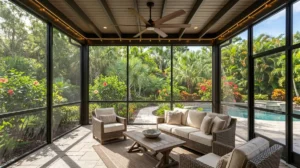
Pool screen enclosures protect your investment by reducing maintenance, blocking insects, and extending your usable outdoor living space year-round.
-
Select high-quality materials like polyester screens or aluminum frames that resist Florida's harsh weather conditions and provide long-lasting durability.
-
Professional installation ensures proper permitting, structural integrity, and compliance with local building codes for maximum safety and performance.
-
Screen enclosures create a microclimate that blocks UV rays, provides privacy, and allows you to use your pool area 3-4 months longer each year.
-
Regular maintenance like monthly cleaning and annual hardware lubrication helps your pool screen enclosure last 15-20 years with minimal repair costs.
-
Choose a licensed local contractor with extensive experience in West Central Florida who understands specific regional installation requirements.
If you’re a Tampa Bay homeowner with a pool, you’ve probably wondered whether installing a screen enclosure is really necessary. After all, you already have a beautiful backyard oasis—why add another structure? The truth is, pool screen enclosures offer far more than just keeping bugs out. They protect your investment, extend your swimming season, reduce maintenance headaches, and create a comfortable outdoor living space your family will use year-round. In 2026, more homeowners than ever are discovering that a properly installed pool screen enclosure isn’t just an upgrade—it’s a smart investment that pays dividends in comfort, safety, and property value.
Living in West Central Florida means dealing with intense sun, unpredictable weather, and plenty of uninvited guests like mosquitoes and love bugs. A quality pool screen enclosure addresses all these challenges while transforming your backyard into a true extension of your home. Whether you’re planning weekend pool parties, creating a safe play area for kids, or simply want to enjoy your morning coffee poolside without swatting insects, understanding what goes into professional installation helps you make the right choice for your property.

Understanding Pool Screen Enclosure Materials and Components
The foundation of any great pool screen enclosure starts with selecting the right materials. Modern enclosures use aluminum frames as the standard because they combine lightweight strength with excellent rust resistance—essential for our Florida climate. Aluminum frames typically feature powder-coated finishes in colors like white, bronze, or black, providing both aesthetic appeal and additional corrosion protection. This matters especially if you live near the coast where salt air can deteriorate lesser materials quickly.
When it comes to screening material, you have several excellent options. The most common is fiberglass mesh with an 18×14 weave pattern, measuring .013 inches in diameter. This standard screening provides reliable insect protection and is GREENGUARD GOLD certified for indoor air quality safety. However, many homeowners in 2026 are upgrading to premium polyester screens that outperform traditional fiberglass in durability. Polyester screens resist sun damage, high winds, and heavy rain without sagging or stretching over time, making them ideal for Florida’s demanding weather conditions.
| Screen Material | Weave Pattern | Best For | Key Benefit |
|---|---|---|---|
| Standard Fiberglass | 18×14 mesh | General insect protection | Cost-effective and reliable |
| Premium Polyester | 18×14 mesh | High wind and UV areas | Won’t sag or stretch |
| No-See-Um Screen | 20×20 mesh | Smaller insect protection | Tighter weave blocks tiny bugs |
| Super Screen | 17×20 mesh | Storm debris protection | Enhanced durability |
For homeowners dealing with those tiny biting insects that seem to sneak through standard screens, a 20×20 No-See-Um mesh offers tighter protection. If storm debris is a concern in your area, consider 17×20 super screen that provides enhanced strength during severe weather. At Quality Custom Contracting, we help homeowners select the perfect screening material based on their specific location, budget, and priorities.

The Critical Role of Frame Construction and Design
While screening gets most of the attention, the frame system actually determines your enclosure’s longevity and performance. Professional installations use ALMGSI aluminum alloy with wall thickness between 1.5-3.0mm, providing maximum static strength without excessive weight. The joints are typically hidden for a clean, attractive appearance that complements your home’s architecture rather than detracting from it.
Modern pool screen enclosures are designed to be built on existing concrete slabs or pool decks, eliminating the need for extensive foundation work in most cases. This approach reduces installation costs and timeline while providing a stable, level base for the structure. The frame segments can typically span up to 2,450mm (about 8 feet) without requiring additional support posts, creating an open, airy feel that doesn’t obstruct your view or limit movement around the pool area.
Enhanced Protection with Polycarbonate Panels
Many homeowners in 2026 are adding polycarbonate panels to their screen enclosures for enhanced protection and versatility. These transparent or translucent panels offer impact resistance that’s 200 times greater than glass—a critical advantage during Florida’s storm season. Available in 4mm solid panels or 8-10mm multiwall construction, polycarbonate provides UV protection while allowing natural light to filter through.
The insulation properties are impressive too: polycarbonate panels offer up to 60% better insulation than standard glass, helping maintain comfortable temperatures in your pool area year-round. Multiwall polycarbonate even provides sound damping up to 25dB(A), creating a quieter, more peaceful outdoor space. These panels are commonly installed on roof sections or as windbreak walls, giving you flexibility to customize your enclosure based on your needs.

Key Steps in Professional Pool Screen Enclosure Installation
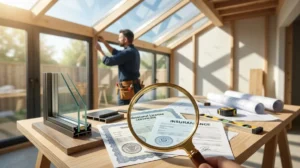
Understanding the installation process helps you appreciate the craftsmanship involved and prepare for what to expect. Professional installation follows a systematic approach that ensures structural integrity, aesthetic appeal, and long-term durability. Here’s what happens during a typical pool enclosure installation:
- Site Assessment and Measurement: Professional contractors visit your property to evaluate the existing pool deck, measure dimensions precisely, and identify any potential challenges like uneven surfaces or overhead obstructions.
- Design and Permitting: Custom designs are created to match your home’s architecture and meet local building codes. Permits are obtained to ensure the installation complies with all Hillsborough, Pinellas, Manatee, Sarasota, and Pasco county requirements.
- Foundation Preparation: The existing concrete deck is inspected and prepared, with any necessary repairs completed before installation begins to ensure a level, stable base.
- Frame Installation: Aluminum posts are installed and secured to the deck using specialized fasteners and anchoring systems designed for Florida’s wind loads and weather conditions.
- Roof and Wall Framework: The overhead framework is assembled and attached to the vertical posts, creating the skeleton of your enclosure with precise measurements and proper angles for water drainage.
- Screen Installation: Screen material is carefully stretched and secured to the frame using spline or other fastening methods, ensuring proper tension without overstretching that could lead to sagging.
- Door and Access Points: Screen doors are installed with proper hardware, including closers and latches that make entry and exit convenient while keeping the enclosure secure.
- Final Inspection and Cleanup: The completed enclosure undergoes thorough inspection, all debris is removed, and you receive care instructions for maintaining your new outdoor space.
The entire installation process typically takes between two to five days, depending on the size and complexity of your enclosure. Weather can affect the timeline, so professional contractors build in flexibility to ensure quality workmanship isn’t compromised by rushing to meet deadlines during unfavorable conditions.

Benefits That Make Pool Screen Enclosures Worthwhile
Let’s talk about the practical advantages that make pool screen enclosure installation such a valuable investment for Tampa Bay homeowners. These benefits extend far beyond simple insect protection, touching every aspect of pool ownership and outdoor living.
Reduced Pool Maintenance
One of the most immediate benefits you’ll notice is dramatically reduced pool maintenance. Screen enclosures keep leaves, twigs, pollen, and other debris out of your pool, meaning less time skimming and vacuuming. This also means fewer chemicals needed to maintain proper water balance, since contaminants aren’t constantly entering the water. Many homeowners report cutting their pool maintenance time in half after installing a screen enclosure, freeing up weekends for actually enjoying the pool rather than cleaning it.
Protection from Harmful UV Rays
Florida sunshine is wonderful, but extended exposure carries health risks. Quality screen materials block a significant portion of harmful UV rays while still allowing plenty of natural light through. This means you and your family can spend more time poolside without the same level of sunburn risk. It’s not a replacement for sunscreen, but it adds an extra layer of protection that makes outdoor time safer and more comfortable.
Extended Pool Season
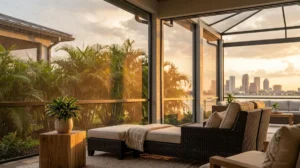
Screen enclosures create a more comfortable microclimate around your pool. By blocking wind and providing shade, they make cooler months more enjoyable for swimming. The enclosed space retains warmth better than an open pool area, effectively extending your swimming season. Many homeowners find they use their pool three to four months longer each year after adding a screen enclosure.
Enhanced Privacy and Security
A screen enclosure creates a defined boundary around your pool area, providing both visual privacy from neighbors and an additional barrier that keeps unsupervised children or pets from accessing the pool unexpectedly. While not a substitute for proper pool fencing and safety measures, an enclosure adds another layer of security that gives parents peace of mind.
Selecting the Right Contractor for Your Installation
The quality of your pool screen enclosure depends heavily on professional installation. This isn’t a DIY project—proper installation requires specialized tools, knowledge of local building codes, and experience working with aluminum framing and screening materials. Here’s what to look for when selecting a contractor:
- Proper Licensing and Insurance: Verify that your contractor holds current licenses for Hillsborough and surrounding counties and carries comprehensive liability insurance and workers’ compensation coverage.
- Local Experience: Choose contractors familiar with West Central Florida’s specific weather challenges, building codes, and permitting requirements.
- Material Quality: Ask about the specific brands and grades of materials used. Premium materials cost slightly more upfront but deliver significantly better long-term value.
- Written Estimates: Professional contractors provide detailed written estimates that break down materials, labor, and timeline without hidden fees or surprise charges.
- References and Portfolio: Review completed projects and speak with past customers about their experience, focusing on both installation quality and post-installation support.
- Warranty Coverage: Understand what warranties cover materials and workmanship, and how long that protection lasts.
At Quality Custom Contracting, we’ve spent more than 25 years building relationships with homeowners across Hillsborough, Pinellas, Manatee, Sarasota, and Pasco counties. As a family-owned business, we treat every installation as if we were working on our own home, never cutting corners or rushing through projects. Our licensed contractor Brian Tuck personally oversees projects to ensure the craftsmanship meets our exacting standards.
Maintenance and Care for Longevity
Once your pool screen enclosure is installed, proper maintenance ensures it looks great and functions perfectly for many years. Fortunately, screen enclosures require minimal upkeep—far less than the pool itself. Here are the essential maintenance tasks:
- Regular Cleaning: Rinse the screens with a garden hose monthly to remove pollen, dust, and salt buildup. For stubborn dirt, use a soft brush with mild soap and water.
- Frame Inspection: Check aluminum frames quarterly for any signs of damage or loose connections, addressing issues promptly before they worsen.
- Screen Damage Repair: Small tears or holes should be patched or replaced quickly to prevent them from spreading and to maintain insect protection.
- Door Hardware: Lubricate hinges and closers annually to ensure smooth operation and adjust latches as needed for proper security.
- Storm Preparation: Before hurricane season, inspect the entire enclosure for any weak points and consider removing furniture or accessories that could become projectiles.
With basic care, a properly installed pool screen enclosure should last 15-20 years or more, providing excellent return on your investment. The screens themselves may need replacement every 7-10 years depending on weather exposure and material quality, but the frame structure should remain solid for decades with minimal maintenance.
Cost Considerations and Investment Value
While every project is unique, understanding the factors that influence installation costs helps you budget appropriately. Pool screen enclosure pricing depends on several variables including size, material selection, design complexity, and site-specific challenges. Larger enclosures naturally cost more than smaller ones, and premium materials like polyester screening or polycarbonate panels increase the investment.
| Cost Factor | Impact on Price | Consideration |
|---|---|---|
| Enclosure Size | High | Larger square footage requires more materials and labor |
| Screen Material | Medium | Premium polyester costs more than standard fiberglass |
| Polycarbonate Panels | Medium | Optional enhancement that increases protection and cost |
| Design Complexity | Medium | Custom shapes and multiple angles require additional labor |
| Site Preparation | Variable | Deck repairs or leveling adds to project scope |
Rather than focusing on finding the cheapest option, smart homeowners evaluate value by considering durability, warranty coverage, contractor reputation, and long-term benefits. A well-built enclosure that lasts 20 years with minimal maintenance delivers far better value than a budget option that requires frequent repairs or replacement after just a few years.
Many homeowners find that pool screen enclosures increase property value and appeal, making homes more attractive to buyers who appreciate the convenience and low maintenance of an enclosed pool area. This is particularly true in Florida where outdoor living spaces are highly valued and screen enclosures are considered a standard feature for quality homes with pools.
Common Mistakes to Avoid During Installation
Learning from others’ mistakes helps you avoid costly problems with your own project. Here are the most common errors homeowners make when planning pool screen enclosure installation:
- Choosing Price Over Quality: The lowest bid often means inferior materials or inexperienced installers who may not follow proper building codes or techniques.
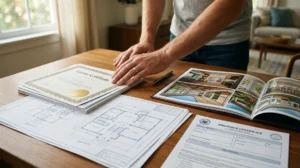
- Skipping Permits: Unpermitted work can create serious problems when selling your home or filing insurance claims, and may result in expensive fines or required removal.
- Ignoring Drainage: Improper roof pitch or drainage design leads to water pooling, increasing stress on the structure and creating maintenance headaches.
- Inadequate Wind Rating: Florida building codes require specific wind ratings based on your location, and undersized structures may not withstand our severe weather.
- Poor Screen Selection: Choosing the wrong mesh size or material for your specific needs results in disappointing performance and premature replacement.
Working with experienced professionals like the team at Quality Custom Contracting helps you avoid these pitfalls. We handle permitting, ensure proper engineering for wind loads, and guide material selection based on your priorities and budget.
Building Code Compliance in West Central Florida
Florida has some of the strictest building codes in the nation, particularly regarding structures that must withstand hurricane-force winds. Pool screen enclosures must meet specific requirements for wind resistance, structural integrity, and safety. These codes vary slightly between Hillsborough, Pinellas, Manatee, Sarasota, and Pasco counties, making local expertise essential.
Professional contractors understand these requirements and design enclosures that meet or exceed code standards. This includes proper anchoring to resist uplift forces during storms, adequate structural support to prevent collapse under wind loads, and proper electrical work if lighting or fans are integrated into the design. Building inspectors verify compliance at various stages of construction, ensuring your enclosure is built safely and legally.
Never skip the permitting process to save time or money. Unpermitted structures create serious liability issues and can dramatically complicate home sales or insurance claims. Professional contractors handle all permitting and inspections as part of their service, giving you peace of mind that your investment is protected.
Transform Your Outdoor Living Space Today
Pool screen enclosure installation represents one of the smartest investments Tampa Bay homeowners can make. It protects your pool, reduces maintenance, extends your outdoor season, and creates a comfortable space your family will enjoy year-round. The combination of modern materials, professional installation, and thoughtful design delivers benefits that last for decades.
Whether you’re planning a new enclosure or considering replacing an aging structure, Quality Custom Contracting brings more than 25 years of experience to every project. As a family-owned business serving Hillsborough, Pinellas, Manatee, Sarasota, and Pasco counties, we understand what makes pool enclosures successful in our unique climate. From selecting the right materials to ensuring proper permitting and building code compliance, we handle every detail with the care and precision we’d demand for our own homes. Ready to transform your pool area into a comfortable, low-maintenance outdoor oasis? Request your free estimate today and discover why so many West Central Florida homeowners trust Quality Custom Contracting for their screen enclosure needs.
Connect with us on Facebook and Instagram to see our latest projects and customer testimonials. You can also visit our Google Business Profile to read reviews from satisfied homeowners across the Tampa Bay area. We’re committed to clear communication, upfront estimates, and precision construction with no shortcuts—because your home deserves nothing less than excellence.
FAQs
Q: How long does pool screen enclosure installation take?
A: Most pool screen enclosure installations take between two to five days, depending on the size and complexity of your project. Weather conditions can affect the timeline, so professional contractors build in flexibility to ensure quality workmanship. At Quality Custom Contracting, we provide realistic timelines upfront and keep you informed throughout the process so there are no surprises.
Q: What’s the difference between fiberglass and polyester pool screens?
A: Standard fiberglass screens (18×14 mesh) offer reliable insect protection at an affordable price point. Premium polyester screens provide superior durability—they won’t sag, stretch, or deteriorate from sun exposure like fiberglass can over time. Polyester is particularly valuable in Florida where high winds, intense UV rays, and heavy rain challenge screen materials. While polyester costs slightly more upfront, many homeowners find the extended lifespan and better performance make it worthwhile.
Q: Do I need a permit for pool screen enclosure installation in Tampa Bay?
A: Yes, pool screen enclosures require building permits in Hillsborough, Pinellas, Manatee, Sarasota, and Pasco counties. Permits ensure your enclosure meets Florida’s strict building codes for wind resistance and structural safety. Professional contractors like Quality Custom Contracting handle all permitting and inspections as part of their service, so you don’t have to navigate the process yourself. Never skip permits—unpermitted structures create serious problems when selling your home or filing insurance claims.
Q: How much maintenance does a pool screen enclosure require?
A: Pool screen enclosures are wonderfully low-maintenance! Simply rinse the screens monthly with a garden hose to remove pollen and dust. Check the aluminum frame quarterly for any damage, and lubricate door hardware annually. Small tears should be repaired promptly to prevent spreading. With this basic care, your enclosure should last 15-20 years or more, with screens needing replacement every 7-10 years depending on material quality and weather exposure.
Q: Can pool screen enclosures withstand Florida hurricanes?
A: Properly designed and installed pool screen enclosures that meet Florida building codes can withstand significant wind loads, though they’re not engineered to survive direct hurricane hits unscathed. The screens themselves may tear during severe storms, but the aluminum frame structure should remain intact if properly anchored and built to code specifications. Many homeowners add polycarbonate panels for enhanced storm protection. Always work with licensed contractors who understand local wind load requirements and build enclosures accordingly.