Key Takeaways
-
Screen enclosures in Tampa provide essential protection from mosquitoes, love bugs, and intense sun while expanding usable outdoor living space.
-
Professional installation ensures your enclosure meets strict Florida building codes, protecting against wind and weather challenges.
-
Choose between vinyl coated polyester or solar screening based on your specific needs – durability, UV protection, or heat reduction.
-
Screen enclosures can increase home value and create a versatile outdoor area that's usable year-round in Tampa's subtropical climate.
-
Custom design options allow you to match your home's architecture, with choices in roof style, door configuration, and frame colors.
-
Proper permitting and code compliance are critical, with local regulations designed to protect properties in hurricane-prone regions.
-
Aluminum frames offer superior corrosion resistance and strength, making them ideal for Tampa's humid and salty coastal environment.
If you’re a Tampa homeowner dreaming of spending more time outdoors without the constant battle against mosquitoes, love bugs, and the intense Florida sun, a screen enclosure might be exactly what you need. These aluminum-framed structures have become increasingly popular throughout Tampa Bay, transforming patios, porches, and pool areas into comfortable, protected outdoor living spaces where families can relax year-round. With Tampa’s humid climate and thriving insect population, choosing the right screen enclosure isn’t just about aesthetics—it’s about creating a practical solution that enhances your lifestyle while adding value to your home. Whether you’re looking to expand your living area, protect your pool, or simply enjoy your morning coffee without swatting bugs, this guide will walk you through everything you need to know to make the best decision for your Tampa property.

Understanding Screen Enclosures and Why Tampa Homeowners Love Them
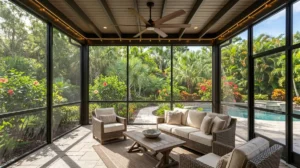
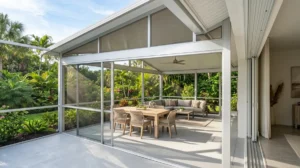
A screen enclosure is an aluminum-framed structure that surrounds your patio, porch, or pool area with durable screening material. These installations create a barrier against insects, pests, and debris while still allowing fresh air and natural light to flow through. For Tampa residents, screen enclosures have become almost essential—they address the unique challenges of Florida living while extending your home’s usable square footage without the expense of traditional room additions.
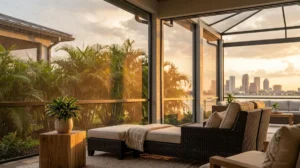
The beauty of screen enclosures lies in their versatility. They provide protection from the elements without making you feel closed in or disconnected from nature. You can watch summer thunderstorms roll through without getting soaked, enjoy evening gatherings without citronella candles, and let your kids play outside without worrying about bug bites. Many Tampa homeowners find that their screen enclosure quickly becomes their favorite spot in the house—a peaceful retreat where indoor comfort meets outdoor ambiance.
According to industry experts, screen enclosures also increase home value, improve privacy, and extend the lifespan of outdoor furniture by shielding it from direct sun exposure and weather damage. In Tampa’s real estate market, where outdoor living spaces are highly desirable, a well-designed screen enclosure can be a significant selling point. If you’re considering this investment, screen enclosures designed and installed by experienced professionals can transform your property.

Key Benefits of Screen Enclosures in Tampa’s Climate
Tampa’s subtropical climate presents unique challenges that make screen enclosures particularly valuable. The combination of high humidity, frequent afternoon rain showers, intense UV exposure, and year-round insect activity creates a perfect storm of outdoor living obstacles. Screen enclosures address these issues head-on, providing multiple benefits that enhance your quality of life.
Protection From Insects and Pests
Let’s face it—Tampa’s mosquito population is legendary. Add love bugs, no-see-ums, palmetto bugs, and other flying pests, and outdoor activities can quickly become unbearable. Screen enclosures create an impenetrable barrier against these unwanted guests, allowing you to enjoy your outdoor space from dawn to dusk without constantly applying bug spray or running for cover. This protection is especially valuable during summer evenings when mosquitoes are most active.
UV Ray Reduction and Sun Protection
Florida’s sun is beautiful but intense. Screen enclosures with solar screening material can block a significant portion of harmful UV rays while still maintaining visibility and airflow. This protection helps prevent sun damage to your skin, reduces fading of outdoor furniture and cushions, and creates a more comfortable temperature in the enclosed space. You can spend hours outdoors without feeling like you’re baking under the relentless Tampa sun.
Weather Debris Management
During Tampa’s stormy season, wind can blow leaves, twigs, palm fronds, and other debris directly onto your patio or into your pool. Screen enclosures act as a first line of defense, catching this debris before it creates a mess or damages your property. While they won’t stop a hurricane, quality aluminum screen enclosures built to Florida building codes can withstand significant wind pressure and keep your outdoor area much cleaner during everyday weather events.
Extended Outdoor Living Season
While Tampa weather is generally pleasant year-round, screen enclosures make outdoor living even more comfortable by providing shade, reducing heat buildup, and creating a more controlled environment. This means you can use your outdoor space more consistently throughout the year, getting maximum value from your investment. Many homeowners find themselves hosting gatherings, eating meals, and relaxing in their screen enclosures far more than they ever used their open patios.

Choosing the Right Screening Material for Tampa
Not all screening materials are created equal, and selecting the right type for Tampa’s climate is crucial for long-term satisfaction. The two most popular options for Tampa Bay area installations are vinyl coated polyester and solar screening, each offering distinct advantages depending on your priorities and how you plan to use the space.
Vinyl Coated Polyester Screening
This screening material has become the standard choice for many Tampa homeowners due to its exceptional durability and resistance to tearing. The vinyl coating protects the polyester core from moisture damage and mildew growth—two critical considerations in Tampa’s humid environment. This material typically lasts longer than standard fiberglass screening and maintains its appearance better over time.
The benefits of vinyl coated polyester include:
- Superior tear resistance compared to traditional fiberglass
- Excellent mildew resistance for humid climates
- Strong enough to withstand pet claws and accidental impacts
- Available in various colors to match your home’s aesthetic
- Maintains structural integrity through multiple seasons
Solar Screening Material
If your primary concern is sun protection and heat reduction, solar screening offers enhanced UV blocking capabilities while still providing insect control. This material uses a tighter weave and specialized coating to reflect more sunlight, reducing heat gain inside the enclosure and protecting furniture from fading. Solar screening is particularly valuable for west-facing or south-facing enclosures that receive intense afternoon sun exposure.
Solar screening advantages include:
- Blocks up to 90% of UV rays depending on the grade
- Reduces glare for more comfortable visibility
- Lowers temperatures inside the enclosure by 10-15 degrees
- Provides additional privacy while maintaining outward visibility
- Helps protect outdoor furniture and fabrics from sun damage
When selecting screening material, consider how you’ll primarily use the space. If you’re creating a pool enclosure, you might prioritize durability and mildew resistance. For a relaxation area or outdoor dining space, solar screening’s heat reduction benefits might be more valuable. Many Tampa homeowners consult with experienced contractors to evaluate their specific needs and site conditions before making a final decision.

Understanding Aluminum Frame Construction Standards
The aluminum frame is the backbone of your screen enclosure, and in Tampa—where structures must withstand hurricane-force winds—frame quality and engineering are paramount. Aluminum has become the material of choice for screen enclosures in Florida due to its unique combination of strength, durability, and resistance to corrosion in our salty, humid air.
Quality aluminum frames offer several critical advantages for Tampa installations. First, aluminum won’t rust or corrode like steel, even in coastal areas where salt spray is prevalent. Second, properly engineered aluminum structures can flex slightly during high winds without breaking, providing resilience during storms. Third, aluminum is lightweight enough to minimize structural load on your home’s foundation while still providing excellent strength and stability.
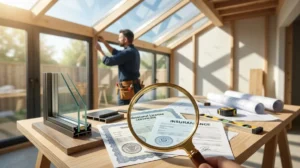
Professional installation companies in Tampa employ trained technicians who understand Florida’s specific building codes and wind load requirements. These codes exist for good reason—they ensure your screen enclosure can withstand the environmental challenges unique to our region. Reputable contractors will handle all necessary permitting and ensure your installation meets or exceeds these standards.
Key frame construction considerations include:
- Frame thickness and gauge—heavier gauge aluminum provides greater strength
- Connection methods and fastener quality at joints and attachment points
- Proper anchoring to your home’s structure and concrete foundation
- Wind load calculations based on your property’s specific location and exposure
- Spacing of vertical and horizontal support members for optimal stability
At Quality Custom Contracting, we understand that your screen enclosure needs to last for decades while protecting your family and property. That’s why we use only high-quality materials and follow strict construction standards for every installation. When you’re ready to discuss your project, we invite you to request your free estimate and learn more about our approach to building screen enclosures that stand the test of time.
Design Options and Customization Possibilities
One of the most exciting aspects of adding a screen enclosure to your Tampa home is the variety of design options available. Modern screen enclosures can be customized to match your home’s architecture, complement your landscaping, and accommodate your specific lifestyle needs. The days of cookie-cutter, builder-grade screen rooms are long gone—today’s enclosures are thoughtfully designed spaces that blend seamlessly with your property.
Roof Style Options
The roof design significantly impacts both the appearance and functionality of your screen enclosure. Gable roofs provide a traditional look with excellent water drainage and ventilation. Hip roofs offer enhanced wind resistance and a more elegant profile. Flat or shed-style roofs work well for modern homes and can be more cost-effective. Some homeowners choose insulated roof panels for additional weather protection and the ability to use the space even during rainy weather.
Entry Door Configurations
Consider how you’ll access your screen enclosure and what type of door system works best for your lifestyle. Single swinging screen doors work well for smaller enclosures and casual use. French doors create a more elegant entry and work beautifully when connecting to formal living areas. Sliding screen doors are ideal for larger openings and can accommodate heavy traffic flow during gatherings. Pet doors can be incorporated for furry family members who want outdoor access.
Color and Finish Selections
Aluminum frames come in various powder-coated colors to match or complement your home’s exterior. White and bronze are classic choices that work with most architectural styles. Black or charcoal frames create a modern, sophisticated look. Some manufacturers offer custom color matching to perfectly coordinate with your home’s existing trim and accents. The screening material also comes in different shades—charcoal screens provide better visibility and reduced glare, while lighter colors reflect more heat.
| Design Element | Options Available | Best For |
|---|---|---|
| Roof Type | Gable, Hip, Flat, Insulated Panel | Matching home style, weather protection |
| Door Style | Single Swing, French, Sliding, Pet Access | Traffic flow, aesthetic preference |
| Frame Color | White, Bronze, Black, Custom Match | Coordinating with home exterior |
| Screen Shade | Charcoal, Gray, Beige | Visibility, heat reflection, appearance |
Working with experienced professionals ensures your design choices work together harmoniously while meeting structural requirements. If you’re exploring options for expanding your outdoor living space, consider reviewing outdoor patios designs that can be enhanced with screen enclosures for maximum functionality and comfort.
Permitting and Code Requirements in Tampa
Building a screen enclosure in Tampa requires obtaining proper permits and ensuring compliance with local building codes—a process that can seem daunting but is essential for protecting your investment and ensuring safety. Tampa’s building codes are particularly stringent due to our location in a hurricane-prone region, and these regulations exist to protect homeowners and properties during severe weather events.
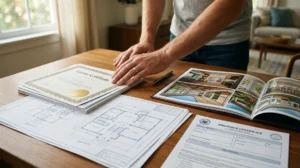
The permitting process typically involves submitting detailed construction plans, including engineering calculations for wind loads, structural drawings showing frame connections and anchoring methods, and specifications for all materials used. The local building department reviews these plans to ensure they meet current Florida Building Code requirements, which incorporate lessons learned from past hurricanes and tropical storms.
Important permitting considerations include:
- Setback requirements—how close your enclosure can be to property lines
- Height restrictions based on your property’s zoning designation
- Foundation and footing specifications for proper structural support
- Electrical requirements if you’re adding lighting or ceiling fans
- HOA approval if your neighborhood has architectural guidelines
Professional installation companies handle the entire permitting process as part of their service, saving you time and ensuring everything is done correctly. They understand the local requirements, maintain relationships with building inspectors, and know how to navigate the approval process efficiently. This expertise is invaluable—improperly permitted structures can create serious problems when selling your home or filing insurance claims.
For homeowners in Hillsborough County and surrounding areas, working with a licensed contractor who specializes in screen enclosures ensures code compliance and proper construction techniques. Quality Custom Contracting brings more than 25 years of experience building screen enclosures throughout the Tampa Bay area, and we handle all permitting and inspections so you don’t have to worry about the details.
Cost Factors and Investment Value
Understanding the factors that influence screen enclosure costs helps you make informed decisions and budget appropriately for your project. While every installation is unique, several key variables significantly impact the final investment required to transform your outdoor space.
Size and Complexity
The square footage of your enclosure is the primary cost driver—larger spaces require more materials and labor. However, complexity matters too. A simple rectangular enclosure attached to a straight wall costs less than a custom-shaped structure that wraps around architectural features or incorporates multiple roof lines. Height also affects pricing, as taller enclosures require additional structural support and more materials.
Material Selections
Your choice of screening material and frame specifications impacts cost. Solar screening typically costs more than standard vinyl coated polyester due to its specialized manufacturing process and enhanced performance characteristics. Premium aluminum extrusions with heavier gauge thickness provide superior strength but increase material costs. Powder coating in custom colors may carry an additional charge compared to standard finishes.
Roof and Flooring Options
Adding an insulated roof panel system rather than a screen-only roof increases both functionality and cost. Some homeowners choose to coordinate their screen enclosure project with concrete pouring services to create a new patio floor or extend an existing slab, which adds to the overall investment but provides a complete outdoor living solution.
Site Preparation Requirements
The condition of your existing patio or the need for site preparation affects project costs. If your property requires grading, drainage improvements, or removal of existing structures, these tasks add to the timeline and budget. Difficult access to the installation area or the need for special equipment can also influence pricing.
Value considerations beyond initial cost:
- Increased home resale value—screen enclosures are highly desirable in Tampa’s market
- Reduced maintenance costs for outdoor furniture and pool equipment
- Lower cooling costs by providing shade and reducing heat gain through nearby windows
- Extended usable living space without the expense of traditional additions
- Improved quality of life and enjoyment of your property
- Protection for existing investments in landscaping and outdoor furnishings
Most Tampa homeowners find that their screen enclosure quickly becomes one of their favorite home improvements, providing daily value that far exceeds the initial investment. To learn more about what a screen enclosure might cost for your specific property and needs, we encourage you to reach out for a personalized consultation.
Maintenance and Longevity Expectations
One of the most appealing aspects of screen enclosures is their relatively low maintenance requirements compared to other home improvement projects. However, understanding proper care techniques ensures your investment looks great and functions properly for decades to come.
Regular Cleaning Practices
Screen enclosures accumulate pollen, dust, spider webs, and environmental debris over time—especially in Tampa’s climate where pollen seasons seem endless. Plan to rinse your screens with a garden hose every few months to remove surface buildup. For deeper cleaning, use a soft brush with mild soap and water, working from top to bottom. Avoid pressure washers, which can damage screens and force water into frame channels where it shouldn’t be.
Inspection and Minor Repairs
Walk around your enclosure periodically to check for small tears in the screening, loose spline (the rubber gasket that holds screens in place), or bent frame sections. Catching minor issues early prevents them from becoming major problems. Small tears can often be patched temporarily until professional repair is convenient. Check all door closures and hinges to ensure they’re operating smoothly—lubricating moving parts annually prevents wear and extends their lifespan.
Professional Maintenance Services
Many Tampa area companies offer screen repair services including patching holes, replacing spline and corners, fixing broken frames, and complete re-screening projects. Over time, screening material naturally degrades from UV exposure and environmental factors. Most quality screens last 7-15 years depending on material type and sun exposure, after which re-screening refreshes your enclosure’s appearance and functionality at a fraction of the cost of replacement.
Common maintenance tasks and timing:
- Quarterly hosing and visual inspection for damage or wear
- Annual deep cleaning with mild soap and soft brush
- Annual lubrication of door hinges, closures, and moving parts
- Every 2-3 years, check frame connections and tighten if needed
- Every 7-15 years, consider professional re-screening depending on condition
The aluminum frames require minimal maintenance—they won’t rust, rot, or require painting. This durability is precisely why aluminum has become the standard material for screen enclosures in Florida’s challenging climate. With basic care and occasional professional service, your screen enclosure will provide reliable protection and enjoyment for your entire time in your home.
Working With Professional Installation Companies
Selecting the right contractor for your screen enclosure project is perhaps the most important decision you’ll make in the entire process. The quality of installation directly impacts your enclosure’s performance, longevity, and ability to withstand Tampa’s weather challenges. Taking time to find experienced professionals pays dividends through superior results and peace of mind.
What to Look for in a Screen Enclosure Contractor
Start by verifying proper licensing and insurance—all contractors working in Tampa should hold appropriate state and local licenses and carry both liability insurance and workers’ compensation coverage. Ask about specific experience with screen enclosures rather than general construction experience. Companies specializing in screen enclosures understand the unique engineering requirements and best practices that general contractors may not.
Review examples of completed projects similar to what you’re envisioning. Many contractors maintain photo galleries showcasing their work, or you can ask for references from past customers. Reading reviews on platforms like Yelp and checking their Facebook page provides insight into customer satisfaction and how the company handles any challenges that arise during projects.
Understanding the Installation Process
Professional installation typically follows a structured timeline. Initial consultation and site evaluation come first, where the contractor assesses your property, discusses your goals, and takes measurements. Design development and material selection follow, resulting in detailed plans and specifications. The permitting phase comes next—quality contractors handle all paperwork and inspections. Finally, construction begins with foundation work, frame installation, screening, and finishing details.
The entire process from initial consultation to project completion typically takes 4-8 weeks depending on project complexity, permitting timeline, and weather conditions. Reputable contractors provide detailed timelines and keep you informed throughout each phase. They also guarantee their workmanship and use materials backed by manufacturer warranties for additional protection.
Questions to ask potential contractors:
- How many screen enclosures have you built in the Tampa area?
- Will you handle all permitting and inspection scheduling?
- What warranties cover your installation work and the materials used?
- Can you provide references from recent projects similar to mine?
- What happens if we encounter unexpected site conditions or complications?
- How do you protect my landscaping and property during construction?
At Quality Custom Contracting, we’ve spent more than 25 years building trust with Tampa Bay area homeowners through transparent communication, detailed craftsmanship, and treating every project like we’re building it for our own family. We serve Hillsborough, Pinellas, Manatee, Sarasota, and Pasco counties, bringing the same commitment to excellence whether we’re building a small patio enclosure or a large pool enclosure. You can see examples of our work and learn more about our process by visiting our project gallery.
Making Your Screen Enclosure Decision
Now that you understand the key considerations for choosing a screen enclosure in Tampa—from materials and design options to contractors and maintenance—you’re equipped to move forward with confidence. The right screen enclosure transforms your outdoor space into a comfortable, protected area that your family will enjoy for years to come. It addresses the specific challenges of Tampa living while adding value and functionality to your property.
Remember that this investment goes beyond simply adding screening to your patio. You’re creating a new living space that extends your home’s functionality and enhances your lifestyle. Whether you’re imagining peaceful morning coffee in a bug-free environment, hosting evening gatherings without citronella candles, or watching your kids play outside without worry, a properly designed and professionally installed screen enclosure makes it all possible.
Take time to evaluate your specific needs, consider how you’ll use the space, and don’t hesitate to ask questions during the consultation process. The best contractors welcome your questions and enjoy helping you explore possibilities you might not have considered. They’ll work with you to design a solution that fits your budget, complements your home’s architecture, and delivers the functionality you need.
As a family-owned and operated business serving the Tampa Bay area for more than 25 years, Quality Custom Contracting understands the unique challenges and opportunities of building in our local climate. We treat every screen enclosure project with the same care and attention we’d want for our own homes, handling everything from design and permitting to construction and final cleanup. Our commitment to upfront estimates, clear communication, and precision construction means you’ll know exactly what to expect throughout your project. To explore how a screen enclosure could enhance your Tampa home and outdoor living experience, we invite you to schedule your free consultation today. You can also check out our reviews and learn more about our work by visiting our Google Business Profile to see what Tampa Bay homeowners are saying about their experience working with our team.
FAQs
Q: How much does a screen enclosure typically cost in Tampa?
A: Screen enclosure costs in Tampa vary based on size, materials, and complexity, but most projects range from several thousand dollars for smaller patio enclosures to considerably more for large pool enclosures with premium features. The best way to get an accurate estimate is to schedule a free consultation where a contractor can assess your specific property, discuss your goals, and provide a detailed quote based on your unique situation and preferences.
Q: Do I need a permit to build a screen enclosure in Tampa?
A: Yes, screen enclosures in Tampa require building permits to ensure they meet Florida Building Code requirements for wind loads and structural safety. Reputable contractors handle the entire permitting process for you, including submitting plans, coordinating inspections, and ensuring your enclosure is properly engineered for our hurricane-prone region. This protects your investment and prevents issues with future home sales or insurance claims.
Q: How long do screen enclosures last in Florida’s climate?
A: Quality aluminum screen enclosures built to Florida building codes can last 20-30 years or more with proper maintenance, though the screening material itself typically needs replacement every 7-15 years depending on sun exposure and material type. The aluminum frames are extremely durable and won’t rust or corrode in our humid, salty environment. Regular cleaning and occasional professional maintenance keep your enclosure looking great and functioning properly throughout its lifespan.
Q: What’s the difference between vinyl coated polyester and solar screening?
A: Vinyl coated polyester screening prioritizes durability and tear resistance, making it ideal for pool enclosures or homes with pets, while resisting mildew in Tampa’s humid climate. Solar screening focuses on blocking UV rays and reducing heat gain, making enclosed spaces more comfortable during hot afternoons while still providing insect protection. Many homeowners choose based on their primary concern—whether that’s durability and longevity or sun protection and comfort.
Q: Can I add a screen enclosure to my existing patio?
A: Yes, screen enclosures can typically be added to existing concrete patios as long as the slab is in good condition and properly sized for your design goals. The contractor will evaluate your existing patio during the consultation to ensure it provides adequate foundation support and meets current code requirements. In some cases, the patio may need expansion or repair before enclosure installation, which can be coordinated as part of your overall project for a complete outdoor living solution.