Key Takeaways
-
Plan your renovation thoroughly to prevent budget overruns and unexpected issues, including detailed drawings, material selections, and timeline expectations.
-
Choose contractors based on quality, licensing, and experience—not just the lowest price, prioritizing transparent estimates and proven expertise.
-
Incorporate energy-efficient upgrades like impact windows, proper insulation, and smart thermostats to reduce long-term utility costs and increase home value.
-
Always obtain proper permits and ensure code compliance to avoid potential fines, insurance issues, and complications during future home sales.
-
Set aside 15-20% of your total budget for contingencies to cover unexpected repairs, material price changes, or mid-project design adjustments.
-
Invest in quality, climate-appropriate materials that offer better durability and long-term performance, especially in challenging Florida environments.
-
Use technology and digital tools like 3D rendering and project management platforms to improve renovation planning, tracking, and communication.
Every year, thousands of Tampa Bay homeowners dive into renovation projects with excitement and big dreams, only to end up frustrated, over budget, and disappointed with the results. The difference between a successful renovation and a costly nightmare often comes down to avoiding a few critical mistakes that professionals see over and over again. Whether you’re planning a kitchen remodel, adding square footage, or transforming your outdoor space, knowing what pitfalls to sidestep can save you serious money and headaches.
At Quality Custom Contracting, we’ve witnessed firsthand how simple oversights turn dream projects into financial disasters. With over 25 years of experience serving Hillsborough, Pinellas, Manatee, Sarasota, and Pasco counties, we’ve learned that informed homeowners make better decisions. This guide reveals the most common renovation mistakes and exactly how to avoid them, so your next project delivers the results you deserve without breaking the bank.
Mistake #1: Skipping the Detailed Planning Phase
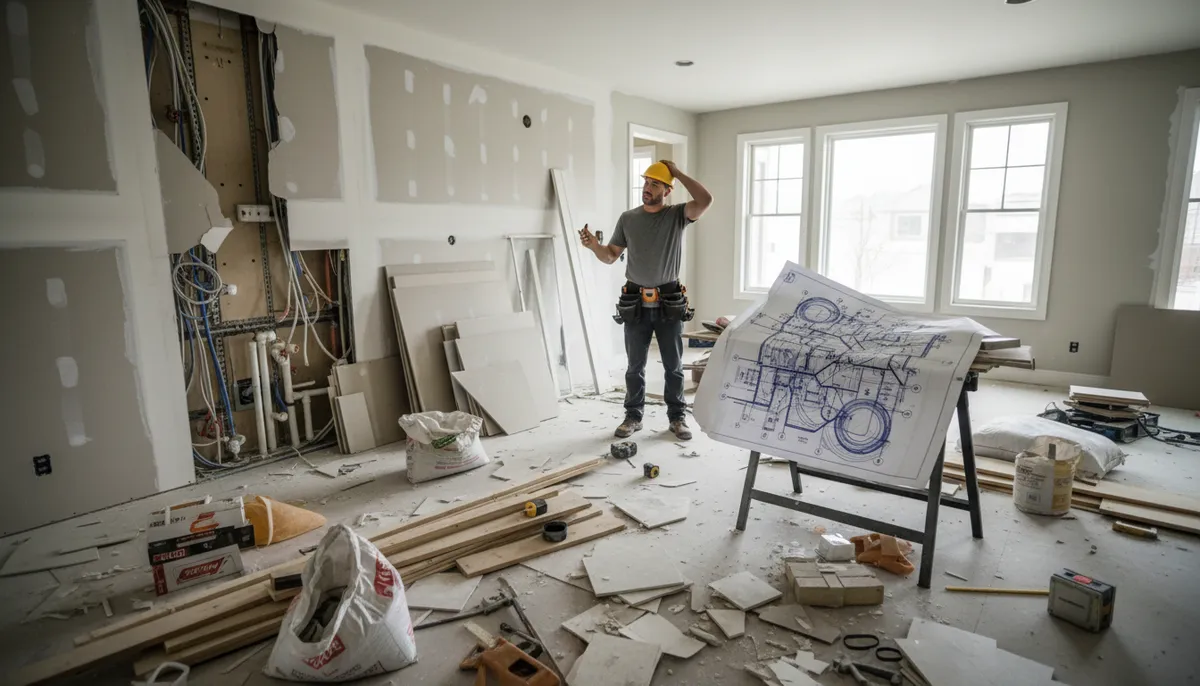
The biggest mistake homeowners make is jumping straight into demolition without a comprehensive plan. According to recent industry data, nearly 75% of homeowners who skip detailed planning end up exceeding their original budget by at least 20%. This happens because they discover problems mid-project, make last-minute changes, or realize they forgot critical components.
A proper plan includes detailed drawings, material selections, timeline expectations, and contingency budgets. Before you start tearing down walls or ordering materials, sit down with a licensed contractor to map out every detail. This planning phase should cover permits, inspections, material lead times, and realistic completion dates. In Florida, building codes are strict for good reason, and working without proper permits can result in fines or even force you to undo completed work.
Smart homeowners also use this planning phase to research current trends. In 2026, energy efficiency dominates renovation priorities, with envelope upgrades like new windows, doors, and improved insulation leading the way. These improvements not only reduce monthly utility bills but also increase home value significantly. When you plan with energy efficiency in mind from the start, you can integrate these features seamlessly rather than retrofitting them later at higher costs.
Mistake #2: Choosing Contractors Based Solely on Price
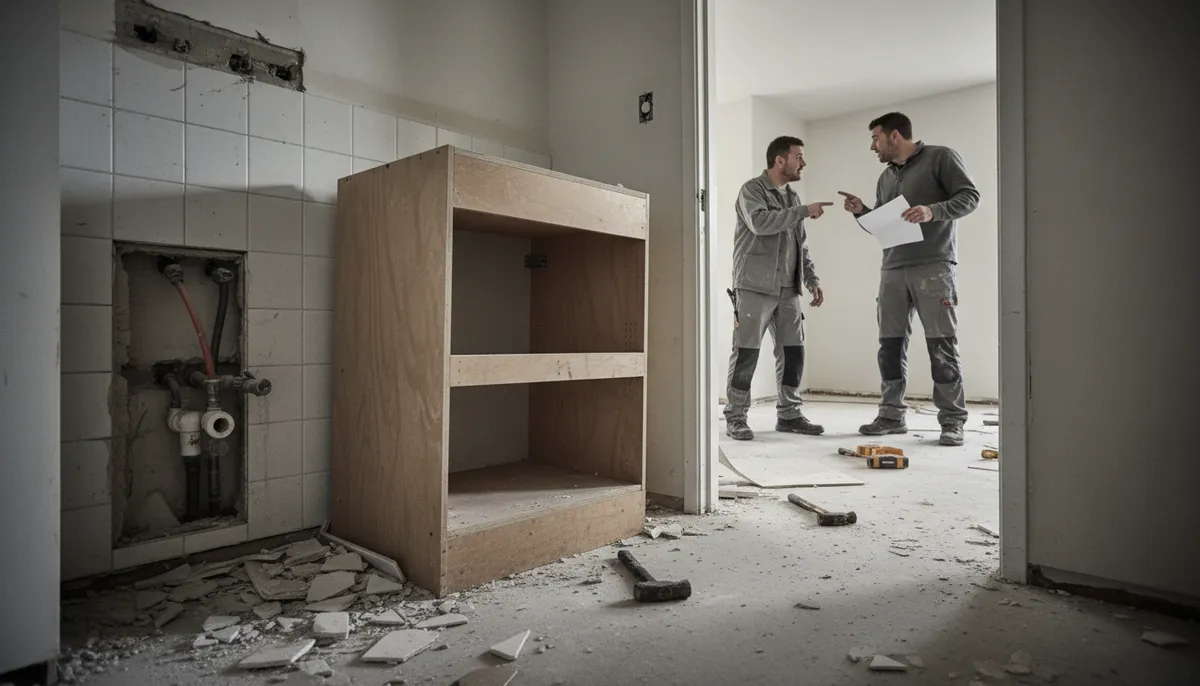
We get it—renovation budgets are tight, and saving money matters. However, selecting a contractor based exclusively on the lowest bid is a recipe for disaster. The cheapest option often means cut corners, inferior materials, unlicensed workers, or contractors who disappear mid-project. What seems like savings upfront typically costs you double when you need to hire someone else to fix shoddy work.
Quality contractors provide detailed, transparent estimates that break down labor, materials, and timelines. They carry proper licensing and insurance, which protects you if something goes wrong. In Tampa Bay, where humidity and weather conditions demand specific construction knowledge, experience matters tremendously. A contractor familiar with Florida building codes, moisture management, and hurricane-resistant techniques will deliver results that last.
What to Look for Instead of Low Prices
- Valid contractor license and insurance documentation
- Detailed written estimates with clear scope of work
- References from recent projects similar to yours
- Clear communication and responsiveness during initial consultations
- Realistic timelines that account for permits and material delivery
- Professional portfolio showing completed work quality
Remember, contractors who provide upfront estimates and clear communication from the start typically maintain that transparency throughout the entire project. This matters because renovation surprises are common, and you want a contractor who handles unexpected issues honestly rather than hiding problems or inflating costs.
Mistake #3: Ignoring Energy Efficiency Upgrades
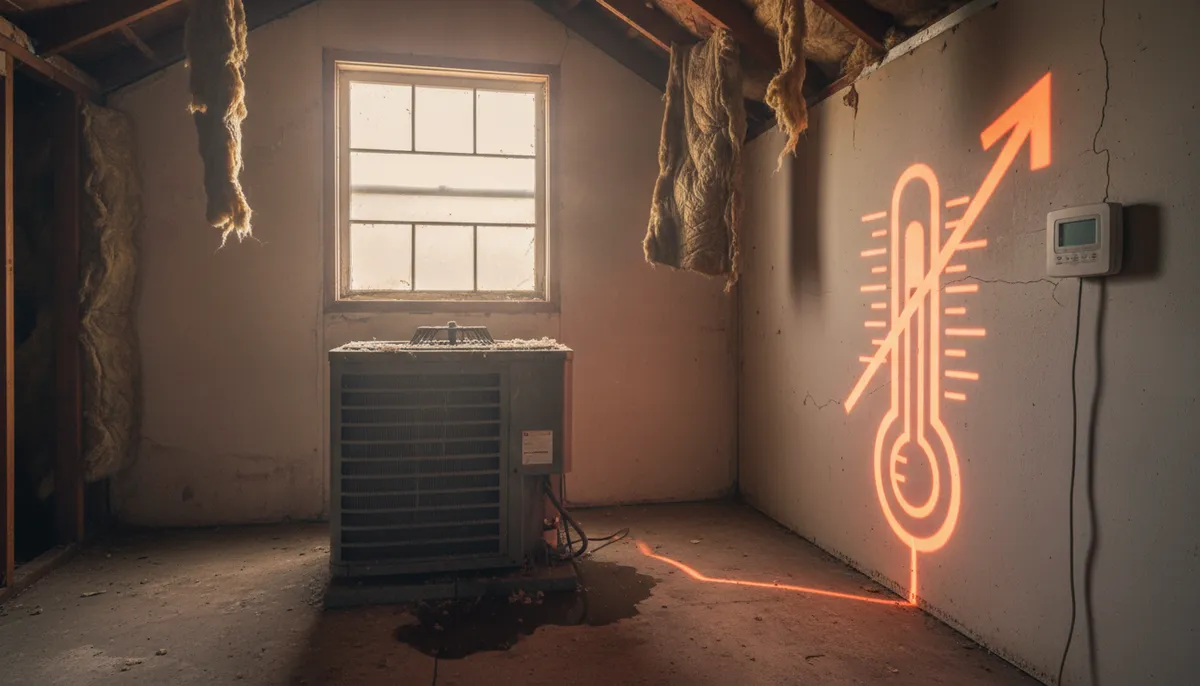
With Florida’s intense heat and rising energy costs, overlooking energy-efficient improvements during renovations is leaving money on the table every single month. In 2026, energy efficiency isn’t just a nice-to-have feature—it’s a primary driver of renovation decisions. Asphalt and tar roofing product prices have risen over 58% since 2019, more than double the overall consumer price increase of 26%. This makes it crucial to install materials that reduce long-term energy consumption when you’re already investing in renovations.
Smart renovations incorporate high-performance windows, proper insulation, energy-efficient HVAC systems, and reflective roofing materials designed for Florida’s climate. These upgrades provide immediate comfort improvements and significant utility savings. Many homeowners see energy bill reductions of 20-30% after implementing comprehensive efficiency upgrades during home remodeling services.
Top Energy-Efficient Renovation Features for 2026
- Impact-resistant windows with low-E coatings that block heat while allowing natural light
- Cool roofing materials that reflect sunlight and reduce attic temperatures
- Spray foam insulation in walls and attics to prevent air leakage
- Energy Star-rated appliances and LED lighting throughout
- Programmable smart thermostats that optimize cooling schedules
These features also increase your home’s resale value substantially. Today’s buyers prioritize energy efficiency, and homes with documented lower utility costs sell faster and at premium prices. When planning your renovation budget, allocate funds for these improvements—they pay for themselves over time while making your home more comfortable year-round.
Mistake #4: Underestimating the Real Project Timeline
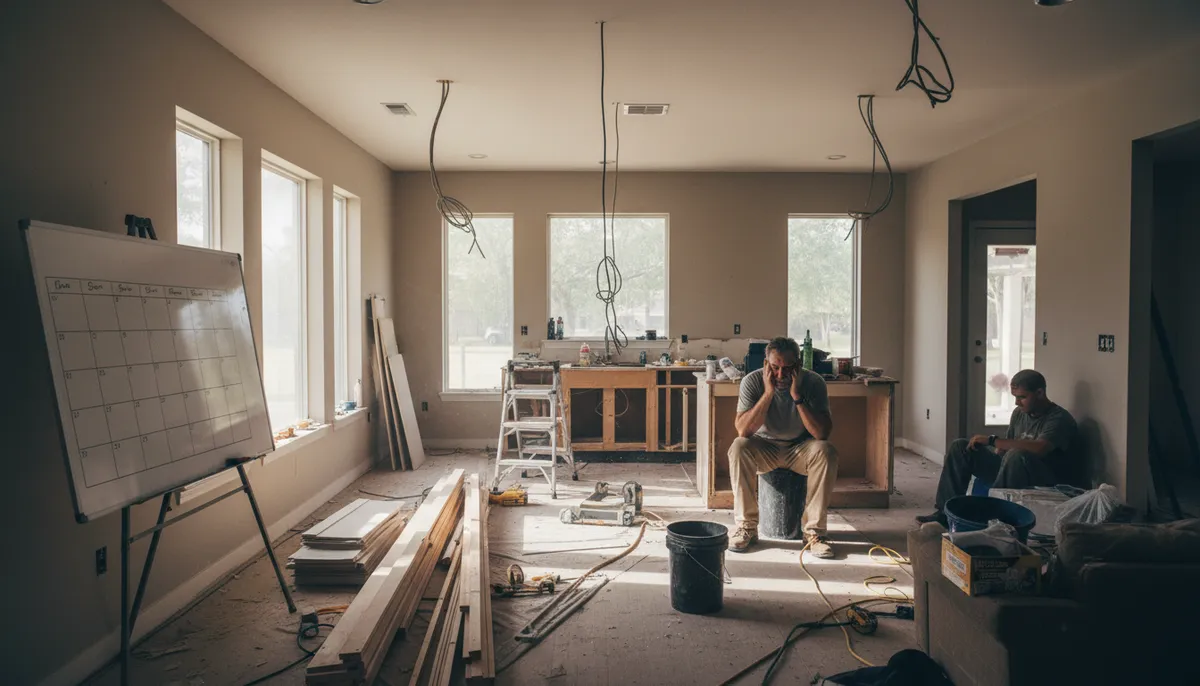
Nothing frustrates homeowners more than a renovation that drags on for months longer than promised. Unfortunately, this happens frequently when timelines don’t account for permit approval, material delays, weather interruptions, and the actual complexity of construction work. Contractors who promise unrealistically fast completion dates either don’t understand the work involved or are telling you what you want to hear.
In Tampa Bay, permit approval alone can take 2-4 weeks depending on the project scope. Material delivery times have extended significantly, with some specialty items requiring 8-12 weeks lead time. Weather delays are inevitable in Florida, where afternoon thunderstorms can halt outdoor work during summer months. A realistic timeline builds in buffer time for these predictable interruptions.
Labor shortages continue affecting the construction industry in 2026, pushing contractors toward more efficient methods like offsite construction and prefabricated components. While these techniques can speed up certain phases, they still require coordination and planning time. When you’re evaluating contractor proposals, ask detailed questions about their timeline assumptions and what could cause delays. The contractor who provides the most detailed, realistic schedule is usually the most trustworthy.
Mistake #5: Neglecting Proper Permits and Code Compliance
Some homeowners try to save money by skipping permits or cutting corners on code compliance. This is perhaps the costliest mistake you can make. Unpermitted work creates serious problems when you try to sell your home, can void insurance coverage if damage occurs, and may result in fines or orders to tear out completed work and start over.
Florida building codes exist to ensure safety, especially in hurricane-prone areas. Stricter regulations continue rolling out, including all-electric building mandates that affect certain renovations in 2026. Professional contractors understand these requirements and handle the permitting process as part of their service. They know which improvements require permits, what inspections are necessary, and how to ensure your project passes all code requirements.
Common Renovations That Always Require Permits
- Structural changes like removing load-bearing walls or adding square footage
- Electrical system upgrades or new circuit installations
- Plumbing modifications including bathroom additions or relocations
- Roof replacements or significant repairs
- HVAC system installations or major modifications
- Pool construction or pool enclosures
Working with a licensed general contractor ensures permits get pulled correctly and inspections happen at the right times. This protects your investment and gives you peace of mind that your renovation meets all safety and quality standards. When you eventually sell your home, buyers and their inspectors will verify permit history for major improvements, so doing things right from the start prevents future complications.
Mistake #6: Failing to Budget for Contingencies and Surprises
Every renovation uncovers unexpected issues—it’s not a question of if, but when and how many. Opening up walls might reveal outdated wiring, hidden water damage, or structural problems that need immediate attention. These discoveries are especially common in older Tampa Bay homes where previous owners may have done questionable DIY work or where humidity has caused hidden deterioration.
Financial experts recommend setting aside 15-20% of your total renovation budget for contingencies. This cushion covers unexpected repairs, material price fluctuations, or design changes you decide on mid-project. Homeowners who skip this planning step often find themselves scrambling for additional funds or making difficult compromises that diminish the final result.
Nearly three-quarters of homeowners would consider financing at least part of their renovation project, according to recent industry insights. This flexibility allows you to handle surprises without derailing the entire project. Before starting renovations, have a clear understanding of your total available budget, including savings, financing options, and that critical contingency fund. Discuss payment schedules with your contractor upfront, so everyone knows when funds are due and what happens if changes arise.
| Renovation Type | Recommended Budget | Typical Contingency | Average Timeline |
|---|---|---|---|
| Kitchen Remodel | $25,000-$75,000 | 20% | 6-12 weeks |
| Bathroom Addition | $15,000-$45,000 | 20% | 4-8 weeks |
| Room Addition | $40,000-$120,000 | 15% | 3-6 months |
| Outdoor Patio | $8,000-$25,000 | 15% | 2-4 weeks |
Mistake #7: Overlooking the Importance of Quality Materials
In an effort to save money, some homeowners opt for the cheapest materials available. While budget consciousness is smart, going too cheap on materials inevitably leads to premature wear, frequent repairs, and earlier-than-expected replacements. This is especially true in Florida’s challenging climate, where humidity, salt air, and intense UV exposure accelerate material degradation.
Quality materials designed for Florida conditions last significantly longer and perform better. For example, pressure-treated lumber rated for ground contact resists rot far better than standard pine in our humid environment. Impact-resistant shingles withstand storm damage that destroys cheaper alternatives. Low-VOC paints and finishes maintain their appearance longer while providing healthier indoor air quality—a growing priority in 2026 renovations.
When selecting materials, consider the total cost of ownership rather than just initial price. A slightly more expensive product that lasts twice as long represents better value. Your contractor can guide you toward materials that balance cost, durability, and performance for your specific needs. At Quality Custom Contracting, we help homeowners understand material options and make informed choices that fit their budget while ensuring long-lasting results.
High-Value Material Upgrades Worth the Investment
- Premium composite decking that resists rot, fading, and termites
- Quartz or granite countertops that withstand daily use and maintain appearance
- High-efficiency windows with impact ratings for storm protection
- Moisture-resistant drywall for bathrooms and kitchens
- Stainless steel or coated fasteners that won’t rust in humid conditions
How Technology and Smart Planning Prevent Renovation Disasters
The construction industry has embraced technology in remarkable ways, and smart homeowners benefit tremendously from these advances. In 2026, data-driven decision making and integrated tech tools have become standard practice for top-performing contractors. Nine in ten remodeling firms plan operational improvements including technology adoption this year, recognizing that connected systems reduce errors and improve efficiency.
Digital project management platforms allow you to track progress in real-time, review photos and updates, and communicate instantly with your contractor. 3D rendering software lets you visualize the finished project before construction begins, reducing costly mid-project changes. Material tracking systems ensure everything arrives on schedule, preventing delays.
Smart home integration during renovations has become increasingly popular. Installing smart electrical systems, automated lighting, and connected HVAC controls during construction is far easier and less expensive than retrofitting later. These systems improve convenience, enhance energy efficiency, and increase home value. Top builders are reducing rework by up to 25% through automation and connected systems, which translates to faster completion times and lower costs for homeowners.
The Hidden Benefits of Adaptive Reuse and Strategic Renovations
Rather than always building new, adaptive reuse and strategic renovations offer compelling advantages. With limited available land and rising construction costs, transforming existing spaces has gained significant traction in 2026. This approach often costs less than new construction while preserving character features that give homes unique appeal.
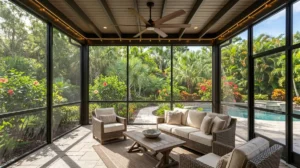
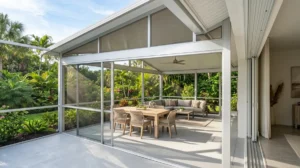
Strategic renovations focus improvements where they deliver maximum impact. Kitchen and bathroom updates typically return the highest percentage of investment when selling. Outdoor patios and entertainment spaces have become especially valuable in Florida, where year-round outdoor living is possible. Creating functional outdoor rooms with screen enclosures extends living space while protecting from insects and weather.
| Renovation Focus | Return on Investment | Appeal to Buyers |
|---|---|---|
| Kitchen Remodel | 60-80% | Extremely High |
| Bathroom Addition | 50-70% | Very High |
| Energy Upgrades | 70-100% | Increasing |
| Outdoor Living Space | 40-70% | High in Florida |
Why Clear Communication Prevents Costly Misunderstandings
Poor communication between homeowners and contractors causes more project failures than any technical issue. When expectations aren’t clearly defined, scope isn’t properly documented, or changes aren’t communicated effectively, projects go off the rails quickly. This is why working with contractors who prioritize clear, consistent communication matters so much.
Establish communication protocols from day one. How often will you receive updates? Who’s your primary contact for questions? How are change orders handled? What happens if problems arise? Getting these answers before work begins prevents confusion later. Weekly progress meetings, even if brief, keep everyone aligned and address small issues before they become big problems.
Documentation protects everyone involved. Detailed contracts, change order forms, progress photos, and written communications create a clear record of what was agreed upon and completed. This becomes especially important if disputes arise or warranty claims need filing later. Professional contractors welcome this documentation because it protects their reputation and ensures client satisfaction.
Essential Questions to Ask Before Starting Renovations
- What specific licenses and insurance does your company carry?
- Can you provide references from projects completed in the last six months?
- How do you handle permit applications and inspection scheduling?
- What’s included in your warranty, and how long does it last?
- How do you communicate progress and handle change orders?
- What happens if materials are delayed or weather causes interruptions?
Making Your Renovation Investment Work Harder
Smart renovations do more than improve aesthetics—they solve problems, increase functionality, and boost home value. Before finalizing your renovation plans, consider how changes will affect daily life and future resale value. Sometimes spending a bit more on universal design features, extra storage, or flexible spaces provides returns far beyond the initial investment.
For example, widening doorways and hallways costs relatively little during renovations but dramatically improves accessibility if mobility becomes an issue later. Adding concrete pouring services for a new driveway or walkway improves curb appeal while solving drainage problems. Investing in quality interior painting and exterior painting with premium finishes protects surfaces longer and maintains that fresh look for years.
Think about how Tampa Bay’s climate affects material choices and maintenance requirements. Outdoor improvements need special attention in our environment. Custom paver designs provide beautiful, durable surfaces that handle our weather better than many alternatives. Properly installed drainage systems prevent the water accumulation that causes foundation problems and landscape damage.
When to Tackle Multiple Projects Versus Phasing Renovations
Deciding whether to complete all planned renovations at once or phase them over time involves balancing budget constraints, disruption tolerance, and cost efficiency. Completing everything simultaneously typically costs less overall because you’re only paying mobilization fees, permit costs, and contractor overhead once. However, this requires larger upfront capital and creates more extensive disruption to daily life.
Phasing renovations spreads costs over time and limits disruption to specific areas. This approach works well when budgets are tight or you’re living in the home during construction. The downside is higher total costs from repeated mobilization and potential design integration challenges if trends change between phases.
Projects Best Completed Together
- Kitchen and adjoining living spaces that share walls or systems
- All bathrooms when replumbing or updating fixtures
- Structural changes and related cosmetic updates
- Exterior improvements when scaffolding is already erected
- Energy upgrades that affect multiple building systems
Your contractor can help you evaluate which approach makes sense for your situation. They’ll explain how different project combinations affect pricing, timelines, and logistics. With over 25 years serving Tampa Bay families, we’ve helped countless homeowners navigate these decisions to get the best results within their budget and timeline constraints.
Understanding Current Market Conditions and Their Impact
The renovation market in 2026 continues evolving with specific trends affecting costs, timelines, and available options. Labor shortages persist across the construction industry, making it more important than ever to book qualified contractors well in advance. Material costs remain elevated compared to pre-2020 levels, though some stabilization has occurred in certain categories.
Commercial construction is expected to rebound 3.9% in 2026, which affects residential contractors through increased competition for skilled labor. Hotel construction alone is projected to grow 6.0%, further tightening the labor market. These conditions mean homeowners benefit from planning renovations during traditionally slower periods when contractors have more availability and may offer better pricing.
Supply chain improvements have stabilized somewhat, but specialty items still require extended lead times. When planning your renovation, factor in 8-12 weeks for custom cabinets, specialty tiles, or unique fixtures. Standard materials typically arrive faster, but having backup options identified prevents delays if your first choice becomes unavailable.
Why Family-Owned Contractors Often Deliver Better Results
There’s something special about working with a family-owned business that treats every project like they’re building their own home. Large corporate contractors often juggle dozens of projects simultaneously, making individual attention difficult. Family operations typically take fewer projects at once, ensuring each receives proper focus and care.
Family businesses also have more at stake—their reputation directly affects their community standing and ability to sustain the business for future generations. This creates powerful motivation to deliver exceptional work and resolve any issues quickly. When problems arise, you’re talking directly to decision-makers who can authorize solutions immediately rather than navigating corporate bureaucracy.
For more than 25 years, Quality Custom Contracting has served Hillsborough, Pinellas, Manatee, Sarasota, and Pasco counties with this family-first approach. Every project gets treated with the same care and attention we’d give our own homes. This commitment to quality and clear communication has built lasting relationships with homeowners throughout the Tampa Bay area. You can visit us on Google to read what our customers say about their experiences working with our team.
Frequently Overlooked Details That Matter
Beyond the major mistakes, several smaller oversights can diminish renovation results or create problems down the road. Electrical outlet placement seems minor but dramatically affects furniture arrangement and daily convenience. Installing outlets in kitchen islands, charging stations in bedrooms, and exterior outlets for holiday decorations adds minimal cost during construction but significant value long-term.
Lighting design deserves more attention than it typically receives. Layered lighting with ambient, task, and accent sources creates more functional, attractive spaces than single overhead fixtures. Plan lighting during the design phase rather than as an afterthought. Consider how natural light changes throughout the day and seasons, using window treatments and artificial lighting to enhance rather than fight these patterns.
Storage solutions integrated during renovations cost far less than furniture or organizational systems added later. Built-in shelving, closet systems, and clever storage in underutilized spaces like beneath stairs or in dormers maximize usability. Florida homes especially benefit from climate-controlled storage for items sensitive to humidity.
Smart Storage Solutions to Include in Renovations
- Pull-out pantry organizers in kitchens for maximum space efficiency
- Custom closet systems designed for your specific wardrobe and accessories
- Built-in mudroom benches with storage for shoes and outdoor gear
- Under-stair storage utilizing otherwise wasted space
- Garage organization systems with overhead racks and wall-mounted storage
- Bathroom vanities with built-in electrical outlets and organized drawer dividers
Creating Your Renovation Success Plan
Now that you understand the critical mistakes to avoid, it’s time to create your personalized renovation success plan. Start by clearly defining your goals—what problems are you solving, what improvements matter most, and what’s your realistic budget including that crucial contingency fund? Research current trends and material options, but focus on what truly serves your lifestyle rather than chasing every design fad.
Interview at least three licensed contractors, asking detailed questions about their experience, approach, and past projects similar to yours. Check references, verify licenses and insurance, and trust your instincts about communication style and professionalism. The contractor who takes time to understand your vision, explains options clearly, and provides detailed documentation typically delivers the best results.
Review and understand every document before signing. Ask questions about anything unclear in contracts, estimates, or timelines. Establish clear communication protocols and decision-making processes for changes that might arise. Set realistic expectations about disruption, noise, and daily life during construction—renovations are messy and inconvenient, but temporary discomfort leads to lasting improvements.
Your dream renovation doesn’t have to become a financial nightmare. By avoiding these seven critical mistakes, you protect your investment while ensuring results that enhance your home’s value, comfort, and functionality for years to come. The difference between renovation success and disaster often comes down to working with experienced professionals who prioritize your needs, communicate clearly, and deliver craftsmanship that stands the test of time. If you’re ready to start your renovation journey with a team that’s been serving Tampa Bay families for over 25 years, request your free estimate today. Let’s transform your house into the home you’ve always wanted, done right the first time.
FAQs
Q: What’s the most common mistake homeowners make when starting a renovation?
A: The biggest mistake is skipping detailed planning and jumping straight into demolition. Nearly 75% of homeowners who don’t plan thoroughly end up exceeding their budget by at least 20%. Always create a comprehensive plan with your contractor that includes detailed drawings, material selections, realistic timelines, and contingency budgets before starting any work.
Q: How much should I budget for unexpected issues during renovations?
A: Financial experts recommend setting aside 15-20% of your total renovation budget for contingencies. Every renovation uncovers surprises like outdated wiring, hidden water damage, or structural issues, especially in older Tampa Bay homes. This cushion ensures you can handle unexpected repairs without compromising the project quality or running out of funds mid-renovation.
Q: Are energy-efficient upgrades really worth the extra cost in Florida?
A: Absolutely! Energy-efficient improvements like high-performance windows, proper insulation, and cool roofing materials provide immediate comfort and typically reduce utility bills by 20-30%. With Florida’s intense heat and rising energy costs, these upgrades pay for themselves over time while significantly increasing your home’s resale value. In 2026, energy efficiency is a primary driver of renovation decisions, not just a nice-to-have feature.
Q: Why shouldn’t I just hire the contractor with the lowest bid?
A: Choosing contractors based solely on price often leads to cut corners, inferior materials, unlicensed workers, or contractors who disappear mid-project. What seems like savings upfront typically costs double when you need to hire someone else to fix shoddy work. Instead, look for contractors with valid licenses, insurance, detailed estimates, clear communication, and solid references from recent similar projects.
Q: Do I really need permits for my renovation project?
A: Yes, permits are essential for most significant renovations including structural changes, electrical work, plumbing modifications, roof replacements, and HVAC installations. Skipping permits can void insurance coverage, result in fines, require tearing out completed work, and create serious problems when selling your home. Professional contractors handle the permitting process and ensure your project meets all Florida building codes and safety standards.